US Tariff Shift May Ease Costs But Keep Trade Pressure
Washington is signalling lower import tariffs, but businesses and investors still face higher costs and tougher trade conditions.
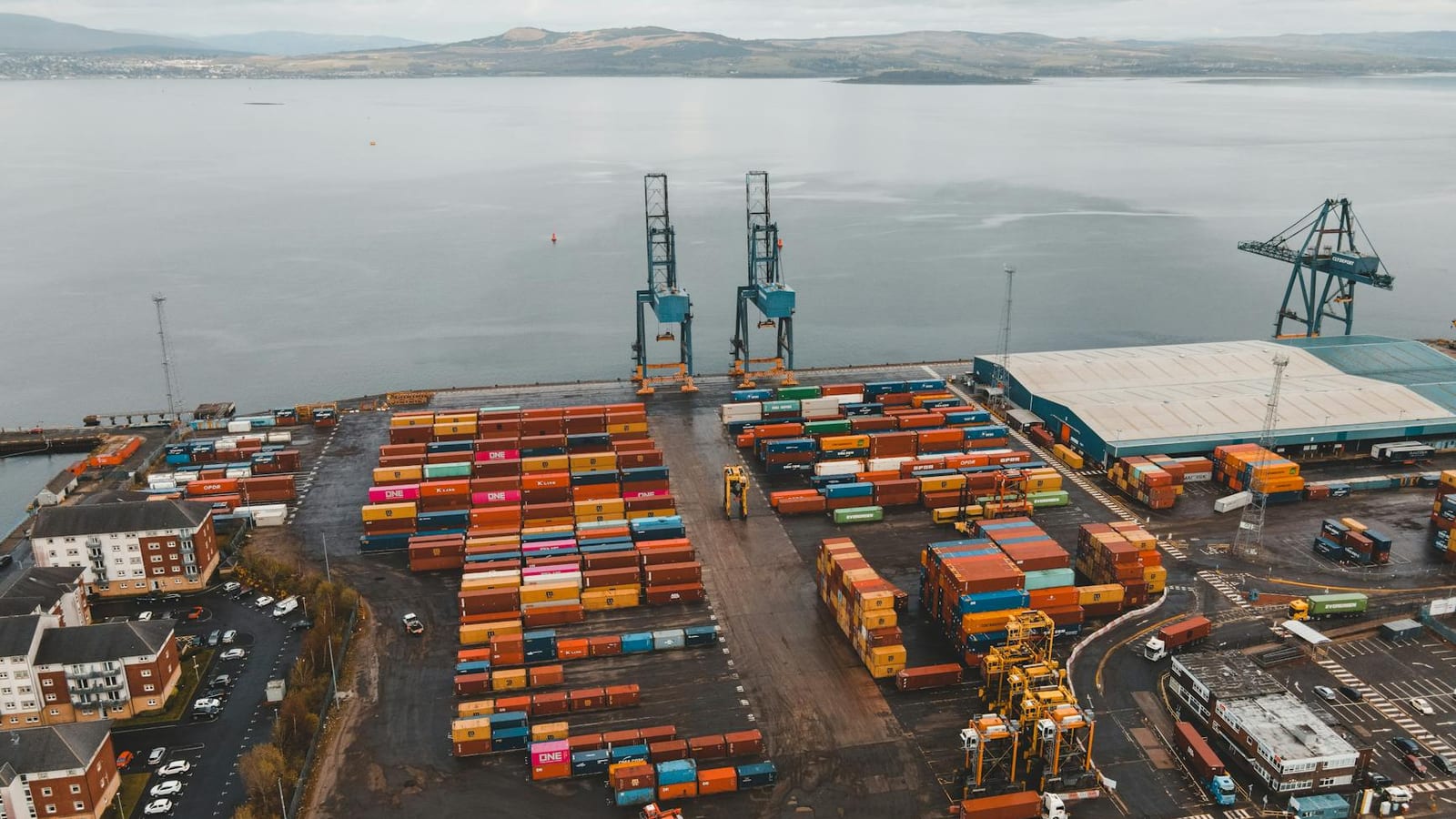
A 10 percent tariff sounds like Washington paperwork, until it lands in an Indian shopping cart.
For a family buying a phone, a business importing machine parts, or an investor holding export stocks, that number matters. It can change prices, margins, and market mood in one stroke.
Now, the United States is hinting at a softer tariff path. Not a clean retreat. More like a lower wall, with sharper gates.
Washington keeps tariffs alive
Jamieson Greer, the US Trade Representative, has made one thing clear. America still wants tariffs on imports as long as it believes trade remains unbalanced.
That includes neighbours like Mexico and Canada. In plain English, even friendly countries may not get a free pass.
But Greer also suggested that tariffs may not return to last year’s punishing levels. That is the part markets are watching closely.
The average effective US tariff rate stood near 11.8 percent in April, based on Yale Budget Lab estimates. Before Donald Trump returned to office, it was around 2 percent.
Last year, it had climbed to about 18 percent. So the direction has softened, but the cost remains much higher than normal.
For investors, this is not a small technical shift. If a company pays more to import components, it often passes some cost to customers. If it cannot, profits take the hit.
For an Indian retail investor with a Rs 5 lakh portfolio, even a 2 percent fall in export-heavy stocks means Rs 10,000 wiped out on paper. That is one month’s SIP for many households.
China may get selective relief
The most interesting signal came on China. Greer said the US may seek public comments on which non-sensitive Chinese goods could qualify for lower tariffs.
He placed that possible basket at about $30 billion worth of goods. That sounds large, but it is modest beside the total US-China trade relationship.
The key phrase is “non-sensitive”. Washington does not want to ease pressure on goods linked to security, technology, or critical supply chains.
So, this is not a handshake moment between Washington and Beijing. It is a managed pause in a long fight.
Greer also said the US has largely stopped expecting China to make deep changes to its economic system. That is a revealing admission.
For years, American negotiators pushed China on subsidies, state-backed industry, and market access. Now the tone sounds more practical.
The US seems to be saying this: China will not remake its model, so America will manage risk through tariffs, rules, and selective trade.
Indian companies should read that carefully. If Washington reduces tariffs on some Chinese goods, Indian exporters may face tougher price competition in those categories.
But if America keeps pressure on sensitive sectors, India may still gain in electronics, pharma inputs, chemicals, and specialty manufacturing.
Courts have complicated Trump’s plan
The legal picture has become messy. The US Supreme Court struck down the administration’s global tariffs.
After that, the Court of International Trade ruled that temporary 10 percent levies under Section 122 were illegal. The administration has appealed.
Section 122 is a legal route used for temporary import restrictions. Greer argued the law does not clearly say it can be used only once.
That matters because the Trump administration appears keen to keep a 10 percent tariff floor alive while it finds stronger legal backing.
Markets dislike this kind of uncertainty. Businesses can plan for a high tariff. They can plan for a low tariff. They struggle when the rulebook keeps moving.
Greer said people seeking certainty should source more from the US. That is a neat political line, but global supply chains do not move like furniture.
A factory cannot replace Chinese rare-earth magnets, Mexican auto parts, or Asian electronics inputs overnight. These shifts take years, money, and trust.
This is where Indian businesses should avoid easy excitement. A global trade reset may create openings, but only firms with scale, quality, and delivery discipline will benefit.
Inflation still sits in the room
Tariffs are taxes by another name. They raise the cost of imported goods and often feed into inflation.
The US already faces price pressure, made worse by the war in Iran. Higher energy costs can spread quickly through transport, food, and factory expenses.
If America keeps tariffs lower than last year, it may be trying to avoid another inflation shock before the midterm elections.
That is the political economy of this story. Tough talk helps with voters worried about jobs. Lower tariffs help households worried about bills.
India knows this balance well. Governments like protecting domestic industry, but consumers dislike higher prices.
For Indian markets, the near-term impact will show up through three channels. Export demand, input costs, and global risk appetite.
If tariff tensions ease, global stocks usually breathe easier. The Bombay Stock Exchange’s Sensex and the National Stock Exchange’s Nifty 50 often respond to that mood.
A 1 percent rise in a Rs 5 lakh equity portfolio adds about Rs 5,000 in market value. A similar fall removes the same amount.
That is why retail investors should not dismiss tariff headlines as foreign noise. These stories can quietly move IT stocks, metals, autos, chemicals, and logistics firms.
Supply chains remain the real battlefield
Greer also spoke about critical minerals. These are materials used in batteries, chips, defence systems, wind turbines, and advanced electronics.
He said the US wants supply chain independence in minerals where China dominates. He mentioned around 60 critical minerals.
Rare earths are especially difficult. Despite the name, they are not always rare in the ground. The hard part is mining, processing, and refining them at scale.
China has spent decades building that ecosystem. Replacing it will not happen in one policy cycle.
This is where India has a strategic opening, but not an automatic win. New Delhi has pushed electronics manufacturing, battery supply chains, and mineral exploration.
Still, global buyers will ask hard questions. Can India deliver consistent quality? Can ports move goods fast? Can power supply stay reliable? Can rules remain stable?
For a small Indian manufacturer, this trade shift could mean new orders. It could also mean pressure to meet tighter standards at thinner margins.
For a consumer, it may mean imported goods stay costlier for longer. Cheap globalisation, the kind that made electronics steadily cheaper, now looks less certain.
The deeper message from Washington is simple. Trade will stay political. Tariffs may move down from last year’s highs, but they will not disappear.
For Indian readers, the smart response is neither panic nor celebration. Watch where tariffs fall, where they stay, and which sectors get pulled into America’s supply-chain push. That is where the next round of market winners and household price pressures will quietly begin.