Wall Street climbs as Iran ceasefire hopes lift tech
US stocks rose as investors weighed a possible Iran ceasefire extension, lower oil prices and sharp gains in Dell and Hewlett Packard shares.
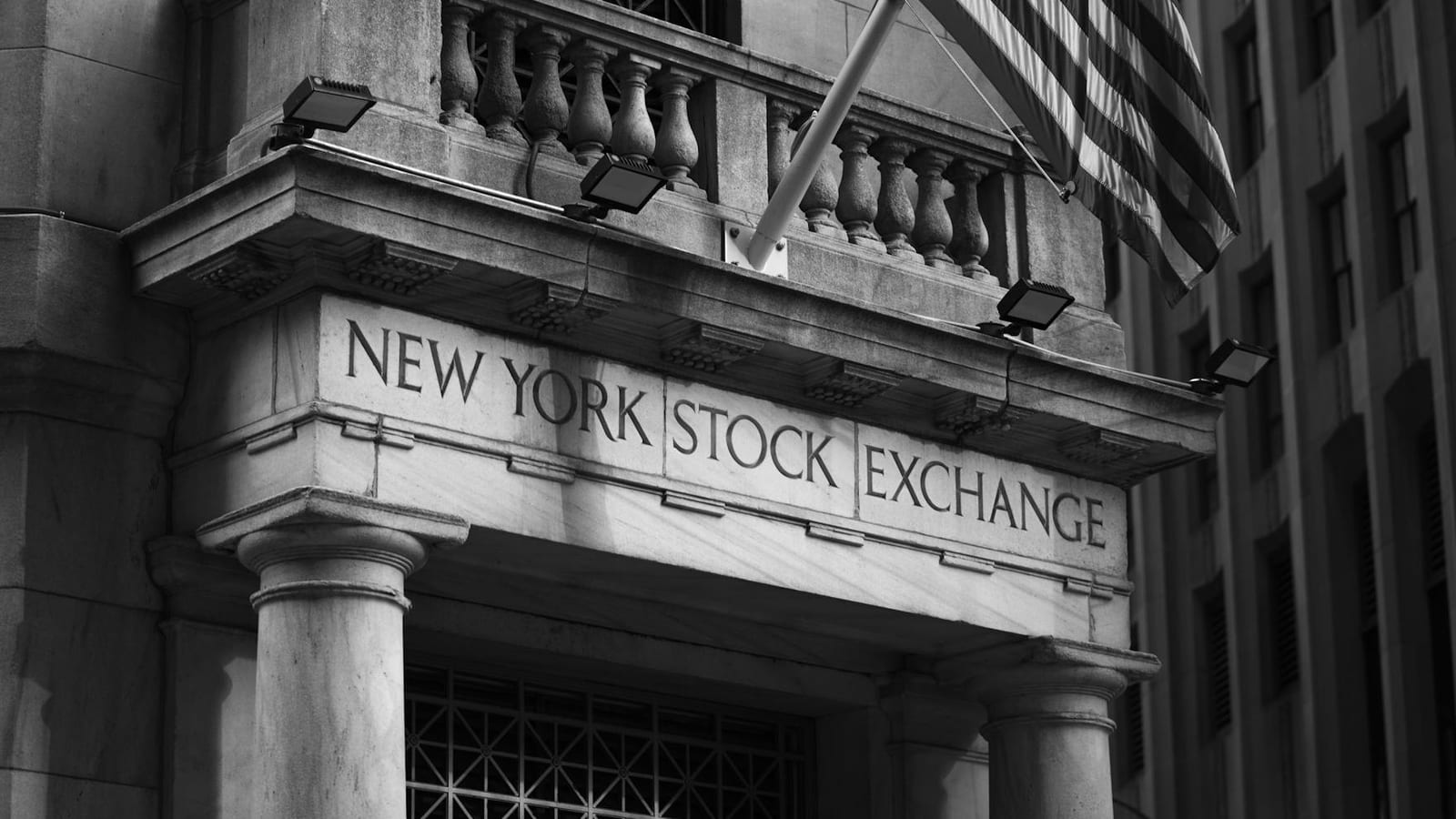
A 2 percent fall in oil can feel small on a trading screen. For India, it can mean cheaper freight, calmer fuel math, and fewer headaches for companies already watching margins.
That is why Friday’s rise on Wall Street mattered beyond New York. Investors were not just buying tech stocks. They were betting that the Middle East risk premium may finally cool a little.
At 10:05 am Eastern Time, the Dow Jones Industrial Average was up 151 points, or 0.30 percent. The S&P 500 gained 31.69 points, or 0.41 percent. The Nasdaq Composite rose 156.47 points, or 0.58 percent.
Markets cheer a possible Iran thaw
The immediate trigger came from Washington. US Vice President JD Vance said the United States and Iran were nearing an agreement to extend their ceasefire.
For traders, the key question was not diplomatic language. It was shipping.
Since the conflict began in late February, Tehran’s blockade of a key waterway has disrupted trade. That waterway is the Strait of Hormuz, one of the world’s most sensitive oil routes.
When that route gets blocked, energy prices rise fast. Ships take longer, insurance costs jump, and consumers eventually feel it.
David Morrison of Trade Nation said investors were focused on reopening the Strait of Hormuz. He added that markets would welcome any sign of progress.
That explains the mood. The rally was not blind optimism. It was a relief trade, built on hope that oil supply fears may ease.
Oil eases, but India still watches
Brent crude, the global oil benchmark, fell 1.6 percent to $92.18 a barrel. US crude slipped 0.9 percent to $88.09 a barrel.
That may not sound dramatic. But oil at $92 is still expensive for a country like India.
India imports most of its crude oil. So every dollar move matters. It affects petrol prices, airline costs, paint companies, tyre makers, logistics firms, and the rupee.
For a household, the effect arrives slowly. It shows up in transport charges, food delivery fees, grocery bills, and school bus costs.
For companies, it bites quicker. A small manufacturer in Rajkot or Coimbatore may not trade oil futures. But diesel costs still decide his monthly profit.
The bond market stayed calmer. The 10-year US Treasury yield held at 4.45 percent. That matters because global money follows US yields closely.
When US yields stay high, money often becomes more expensive worldwide. Emerging markets like India then face pressure on currency and foreign flows.
AI stocks do the heavy lifting
The other engine of Friday’s rally was technology. Dell shares surged more than 30 percent after quarterly earnings beat market estimates.
That is a huge move for a large computing company. It tells us investors still see strong demand from artificial intelligence.
AI needs servers, storage, chips, cooling systems, and networking gear. This is not only a software story anymore. It is also a hardware and infrastructure story.
Hewlett Packard Enterprise jumped more than 15 percent. NetApp, the data storage company, soared 28 percent after strong earnings.
Microsoft and Broadcom rose about 3 percent each. Alphabet fell 1.5 percent, showing that the AI trade is becoming more selective.
This is the part Indian investors should watch carefully. The AI boom is no longer rewarding every tech name equally.
Companies that sell real equipment into data centres are getting rewarded. Firms with weaker near-term proof may not get the same patience.
For Indian IT investors, this distinction matters. AI can lift spending, but it can also compress older outsourcing models.
The market is asking a simple question now. Who earns from AI today, not five years later?
Retail stocks tell another story
The rally was not broad enough to hide consumer strain. Gap fell 17.7 percent after cutting its annual sales forecast.
American Eagle Outfitters dropped 14.9 percent after keeping its comparable sales forecast unchanged. Comparable sales measure how stores perform against earlier periods.
These numbers suggest US shoppers remain careful. They may still spend on essentials, but apparel demand looks patchy.
That matters for India too. Indian textile exporters, cotton suppliers, and garment units track US retail demand closely.
If American shoppers pull back, orders can slow in Tiruppur, Noida, Surat, and Bengaluru. The pain then travels from malls to factory floors.
Okta, meanwhile, jumped 21 percent after first-quarter revenue beat analyst estimates. The company works in digital identity verification, a key area for corporate security.
So Friday’s market had two faces. AI-linked tech ran hard. Retail names reminded everyone that consumers are still not carefree.
Gold rises despite risk appetite
Gold also moved higher. Spot gold rose 0.6 percent to $4,519.64 per ounce. US gold futures for August delivery gained 0.4 percent to $4,550.
Normally, gold rises when investors feel nervous. But it can also rise when traders expect central banks to stay cautious.
Silver slipped 0.2 percent to $75.51 an ounce. Platinum stayed near $1,923.55, while palladium gained 0.6 percent.
For Indian families, gold is never just a chart. It is wedding money, emergency savings, and a familiar hedge against uncertainty.
At these levels, fresh buying becomes harder. But existing gold holders see wealth rise, at least on paper.
The bigger signal is clear. Markets may be celebrating, but they have not abandoned safety.
That is the main lesson from Friday’s trade. Investors liked the hint of peace, cheaper oil, and stronger AI earnings. But they still kept one hand on gold. For ordinary Indians, the real question is whether this relief reaches fuel bills, job orders, and portfolios. A ceasefire extension may calm markets for a day. A reopened trade route and steadier energy prices would matter much more.