Wall Street Extends Rally As AI Stocks Lift S&P 500
US indices ended higher as the S&P 500 notched a ninth weekly gain, with AI-linked tech shares offsetting worries over oil and rates.
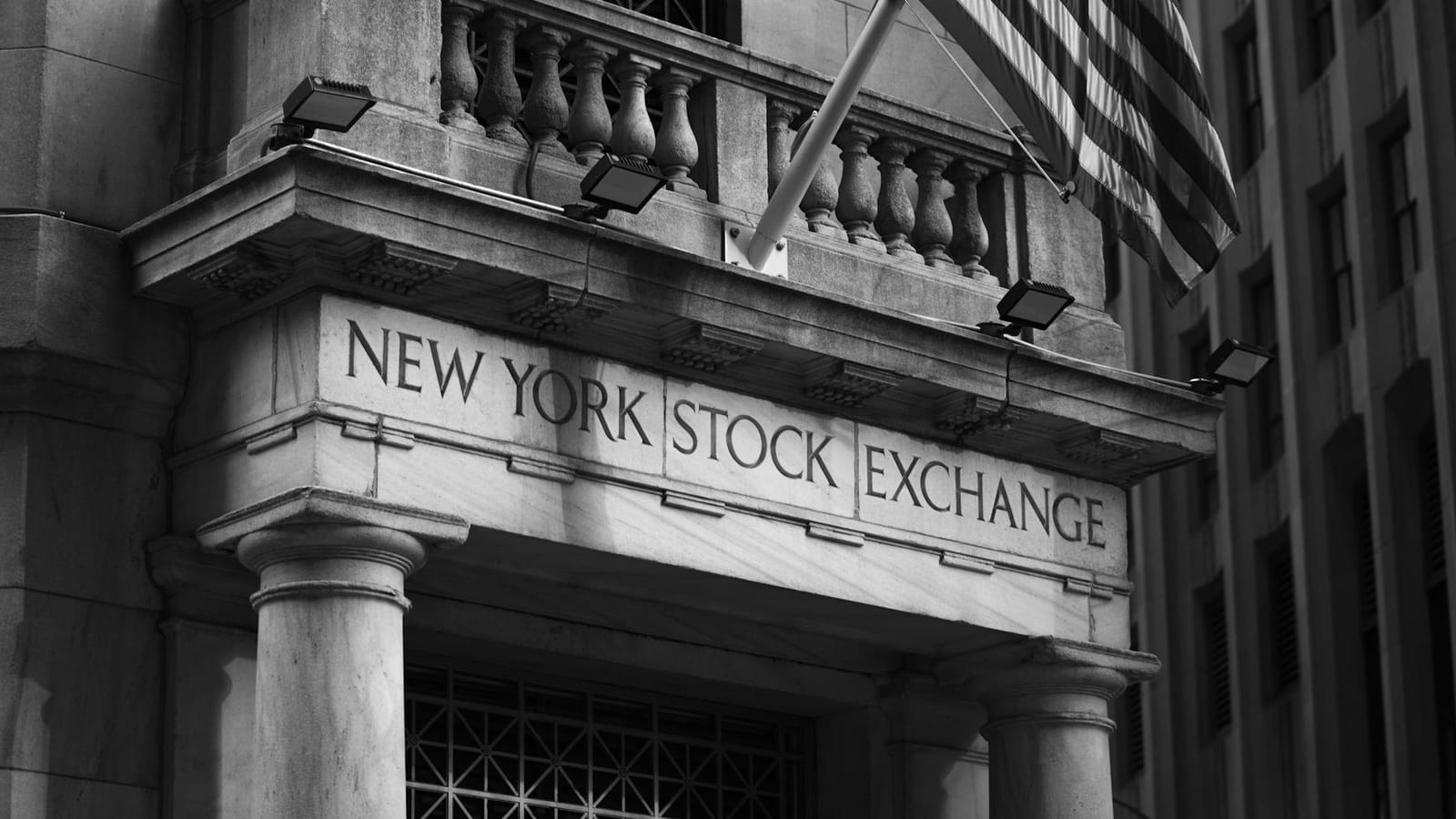
Wall Street has entered that dangerous zone where everything looks calm, yet one headline can still move billions.
The S&P 500 closed at 7,580.06 on Friday, its fourth straight record close. For Indian investors holding US mutual funds or Nasdaq-heavy portfolios, this is not distant news. A 0.2 percent weekly gain may sound small, but on a ₹5 lakh US equity exposure, it means roughly ₹1,000 added in a short trading week.
The bigger message is sharper. Investors are still willing to pay high prices for American technology stocks, especially anything tied to artificial intelligence. They are doing this even while oil, interest rates, and West Asia remain unsettled.
Wall Street keeps climbing higher
All three major US indices ended the week higher. The Dow Jones Industrial Average rose 0.72 percent. The S&P 500 added 0.22 percent. The Nasdaq Composite gained 0.20 percent.
That may not sound dramatic, but the streak matters. The S&P 500 has now risen for nine straight weeks. Markets do not do that unless investors believe the bad news is manageable.
On Friday, the Dow climbed 363.49 points to 51,032.46. The Nasdaq Composite rose 55.15 points to 26,972.62. The tech-heavy Nasdaq 100 also gained 0.4 percent.
For an Indian saver, this matters in two ways. First, many international funds sold in India have heavy US exposure. Second, Indian tech stocks often take their mood from Wall Street, especially after sharp moves in Nasdaq names.
A young professional investing through a global index fund may not track every US close. But her portfolio quietly reflects these moves. When Wall Street rallies, the impact reaches Indian demat accounts by morning.
Oil cooled, and markets relaxed
The week’s calm came partly from lower oil prices. Investors watched talks between the United States and Iran closely. Any tension around the Strait of Hormuz quickly becomes a global inflation story.
The Strait of Hormuz is a narrow sea route, but it carries a huge share of global oil movement. If shipping there gets disrupted, petrol, diesel, airline fuel, and freight costs can all rise.
Reports during the week suggested progress in US-Iran ceasefire talks. There was also talk of easing shipping restrictions through the route. But the situation still looked fragile, with formal approval pending and Iranian state media saying no final deal existed.
Markets chose to focus on the hopeful part. Brent crude moved lower during the week and settled at $91.12 a barrel on Friday, down 1.7 percent. US crude also fell 1.7 percent to $87.36 a barrel.
For India, cheaper oil is never a small thing. India imports most of its crude. When oil falls, pressure eases on the rupee, fuel marketing companies, airlines, paint makers, tyre firms, and household budgets.
It does not mean petrol prices fall at the pump the next morning. But it reduces the pressure building inside the system. That matters when families already feel every grocery bill.
AI stocks still drive the bus
The loudest engine behind this rally remains technology. The technology sector inside the S&P 500 surged more than 15 percent in May, even as several other sectors fell.
That tells you something important. This is not a broad market party where every stock joins in. Much of the excitement still sits in a tight group of AI-linked companies.
Dell Technologies became the week’s standout name. Its shares jumped nearly 30 percent after the company raised its sales outlook. The company pointed to about $60 billion in expected revenue from AI servers.
Put simply, AI needs serious computing power. Companies training and running large AI systems need servers, chips, storage, cooling, and data centres. Dell is telling investors it expects a large slice of that spending.
This is why Wall Street keeps rewarding AI-linked firms. Investors are not just buying stories anymore. They are looking for order books, sales forecasts, and real cash flows.
Still, Indian retail investors should read this rally carefully. AI is real, but valuations can stretch. A stock can be a good company and a risky buy at the wrong price.
We have seen this film before in different costumes. Dot-com, clean energy, electric vehicles, crypto, and now AI. The winners become giants. The weaker names burn investor money while using the same buzzwords.
Fed rate hopes add support
The Federal Reserve also sat at the centre of the week’s market mood. Investors expect the US central bank to keep interest rates unchanged at its next meeting.
Many traders also believe rates may stay steady through the rest of the year. That view helped shares, because stable rates make future corporate earnings look more attractive.
When US rates rise, global money often runs toward American bonds. When rate worries ease, money becomes more willing to enter stocks, emerging markets, and riskier assets.
The US 10-year Treasury yield slipped to 4.44 percent from 4.45 percent a day earlier. It has now fallen for four straight sessions. The 30-year Treasury yield also eased to 4.9817 percent.
That small drop matters. Bond yields act like gravity for stock markets. When yields climb, stocks must work harder to justify high prices. When yields cool, equity valuations get some breathing room.
The dollar index also slipped 0.1 percent to 98.90. The euro edged up to $1.1663. A softer dollar can help emerging markets, including India, because foreign investors feel less pressure to pull money back into dollar assets.
But the Fed has not declared victory over inflation. Policymakers remain cautious because prices can flare again, especially if oil jumps or wages stay hot.
What Indian investors should watch
Indian investors should avoid reading this rally as a simple green signal. The US market is strong, but narrow. Tech is doing much of the heavy lifting.
If someone owns a US index fund, they already own a lot of technology. That is not bad. But it means their portfolio depends heavily on whether AI spending keeps growing at this pace.
The oil story also deserves attention. If West Asia calms further, India gets relief. If talks fail, crude can climb quickly. That would hit the rupee, import costs, airline stocks, and inflation expectations.
For the Bombay Stock Exchange’s Sensex and the National Stock Exchange’s Nifty 50, Wall Street’s record run can improve sentiment. But Indian markets also have their own issues, including earnings growth, rural demand, monsoon progress, and domestic interest rates.
The cleanest takeaway is this. Global investors are betting that oil will stay controlled, the Fed will stay patient, and AI spending will remain strong. If even one of those legs shakes, the market mood can change fast.
For ordinary Indian readers, this is not just a Wall Street scoreboard. It affects global funds, tech jobs, fuel prices, the rupee, and confidence in equity investing. The rally may continue, but the sensible investor will enjoy the gains without forgetting how quickly calm markets can become expensive ones.