Wall Street Rally Extends as Tech Lifts Investor Cues
The S&P 500 ended a ninth weekly advance as tech shares kept Wall Street at record levels, shaping cues for Indian global fund investors.
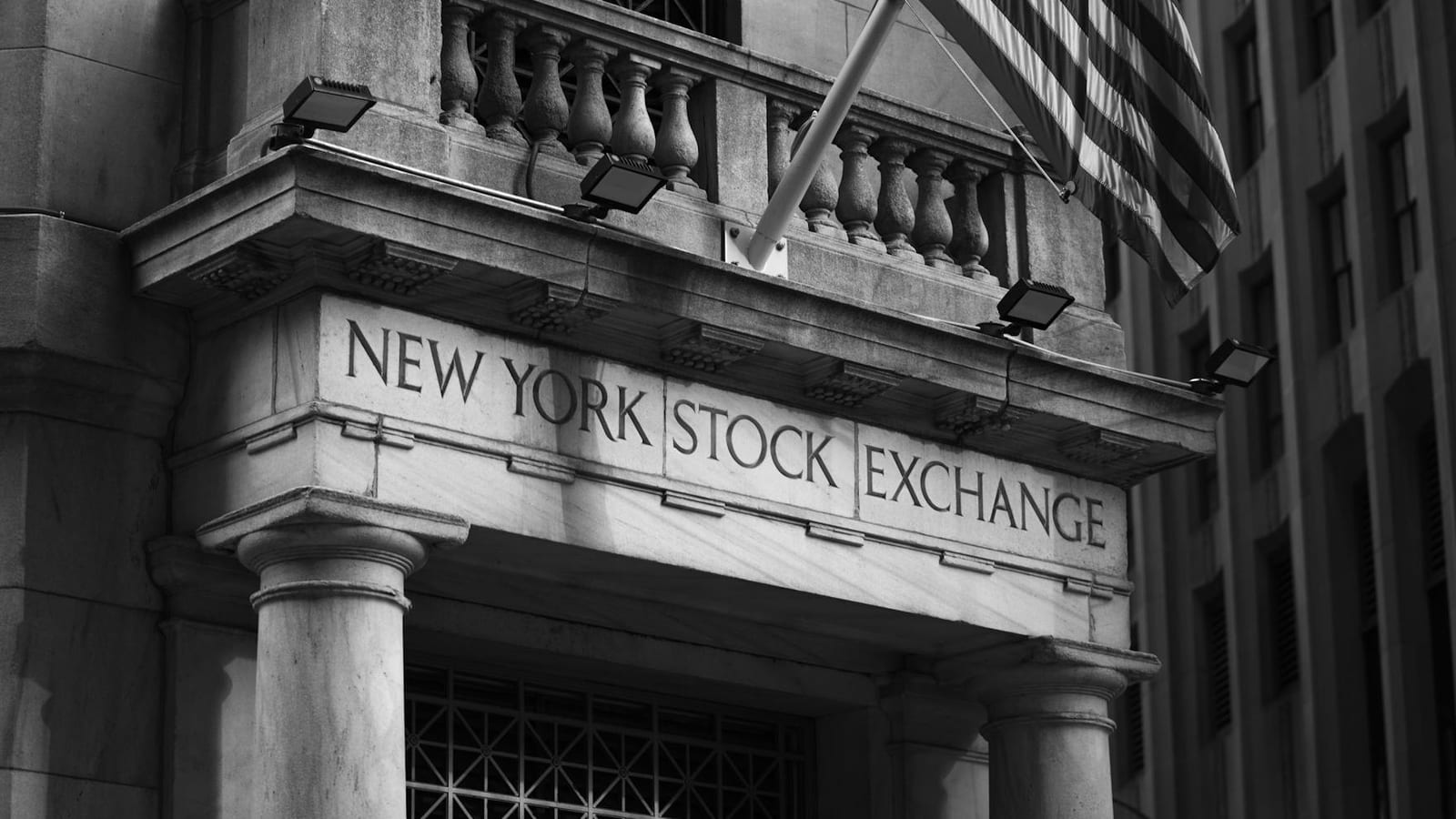
For Indian investors waking up to Wall Street, the message was simple. Risk appetite is back, and technology is still driving the bus.
The S&P 500 closed at another record high on Friday, ending its ninth straight week of gains. That is not just a Wall Street headline. It matters for Indian mutual fund investors, global tech employees, exporters, and anyone tracking where foreign money may move next.
If you hold an international fund, a Nasdaq-linked fund, or even Indian IT stocks, this rally is part of your story too.
Wall Street keeps climbing higher
The three big US indices ended the shortened trading week in the green. The Dow Jones Industrial Average rose 0.72 percent, the S&P 500 gained 0.22 percent, and the Nasdaq Composite added 0.20 percent.
Friday gave the rally one more push. The S&P 500 rose 16.43 points to 7,580.06. The Dow climbed 363.49 points to 51,032.46. The Nasdaq moved up 55.15 points to 26,972.62.
For a retail investor, percentages can sound small. But on a ₹5 lakh overseas equity portfolio, a 0.22 percent weekly rise means roughly ₹1,100 in paper gains. A 0.72 percent rise means about ₹3,600.
That is before currency moves, fund expenses, and taxation. Still, the direction matters. Markets are paying more for growth again.
Oil gives investors some relief
The rally did not come from technology alone. Oil also helped.
Investors took comfort from signs that tensions between the United States and Iran may ease. Talks around the Strait of Hormuz became the key market trigger. That narrow shipping route carries a large share of global oil flows.
When traders believe oil can move freely, crude prices usually cool. That calms inflation fears. In simple terms, cheaper oil can reduce pressure on fuel, freight, and many daily goods.
Brent crude moved near $87 a barrel during the week. On Friday, the August Brent contract fell 1.7 percent to $91.12 a barrel. US crude for July delivery also dropped 1.7 percent to $87.36.
For India, this is not a small detail. India imports most of its crude oil. A softer oil market helps the rupee, government finances, and eventually household budgets.
It does not mean petrol prices fall tomorrow morning. But it reduces the heat on the system. For a country where transport costs touch everything from vegetables to cement, that matters.
AI stocks still set the pace
The real muscle in this rally came from technology. Investors continue to treat artificial intelligence as the main growth engine in US markets.
The technology sector within the S&P 500 jumped more than 15 percent in May. That gain stood out because many other sectors struggled.
Dell Technologies became the week’s loudest example. Its shares surged nearly 30 percent after the company lifted its sales forecast. The company pointed to strong demand for AI servers, with expected revenue of about $60 billion from that business.
That number tells us something important. The AI trade has moved beyond software demos and chatbots. It now needs chips, servers, cooling systems, data centres, power, and supply chains.
Indian investors should read this carefully. The first phase rewarded chipmakers and big US tech names. The next phase may reward companies that build the plumbing behind AI.
This is where Indian IT, engineering services, data centre players, and power equipment suppliers enter the conversation. They may not all win equally. But the demand chain is widening.
The risk is also clear. When one theme carries markets for too long, prices can run ahead of earnings. Investors have seen this movie before, from dot-com stocks to clean energy bubbles.
AI may be real. That does not make every AI-linked valuation sensible.
The Fed stays in focus
The Federal Reserve remains the other big force behind Wall Street. Investors now expect the US central bank to keep interest rates unchanged at its next meeting.
Many traders also believe rates may stay steady for the rest of the year. That view helped equities, because stable rates make future earnings look more attractive.
Think of it this way. When interest rates rise, safe bonds offer better returns. Stocks then need to work harder to attract money. When rates stop rising, equity investors breathe easier.
The US 10-year Treasury yield eased to 4.44 percent from 4.45 percent. It has now fallen for four sessions. The 30-year yield also moved slightly lower to 4.9817 percent.
Bond yields may look distant from everyday Indian life. They are not. They influence global money flows, dollar strength, and foreign investor appetite for emerging markets.
If US yields fall meaningfully, India can look more attractive to foreign investors. That can support Indian equities and the rupee. If yields rise again, money may move back to safer US assets.
The dollar index slipped 0.1 percent to 98.90. The euro gained 0.1 percent to $1.1663. A weaker dollar can offer relief to emerging markets, though the impact rarely comes in a straight line.
What Indian investors should watch
The Bombay Stock Exchange’s Sensex and the National Stock Exchange’s Nifty 50 often take cues from Wall Street. But they do not copy it blindly.
If US tech rises, Indian IT stocks may get some support. If oil falls, aviation, paints, logistics, and broader consumer sectors may benefit. If the dollar weakens, foreign investors may look more kindly at Indian assets.
But investors should avoid chasing every overnight record. US markets are celebrating lower oil, AI optimism, and steady rate hopes all at once. Any one of those can change quickly.
The Middle East remains fragile. The oil market can turn in one trading session. The Fed can sound stricter if inflation stays sticky. And AI stocks can cool if earnings fail to match expectations.
For Indian households, the lesson is old but useful. Global markets now sit inside your portfolio, even if you never bought a US stock directly.
Your mutual fund may own export firms. Your IT job may depend on US client budgets. Your monthly expenses may react to crude oil. Your rupee savings may feel the pull of the dollar.
So yes, Wall Street’s records are not just Wall Street’s records anymore. They are signals in a larger chain. The smart move is not to panic or celebrate too much. It is to watch oil, interest rates, AI earnings, and the dollar with a little more patience than the market shows on a Friday night.