Wall Street rally lifts Nasdaq and S&P futures again
US stock futures edged higher after record closes for the S&P 500 and Nasdaq, as investors weighed AI earnings and calmer oil-market signals.
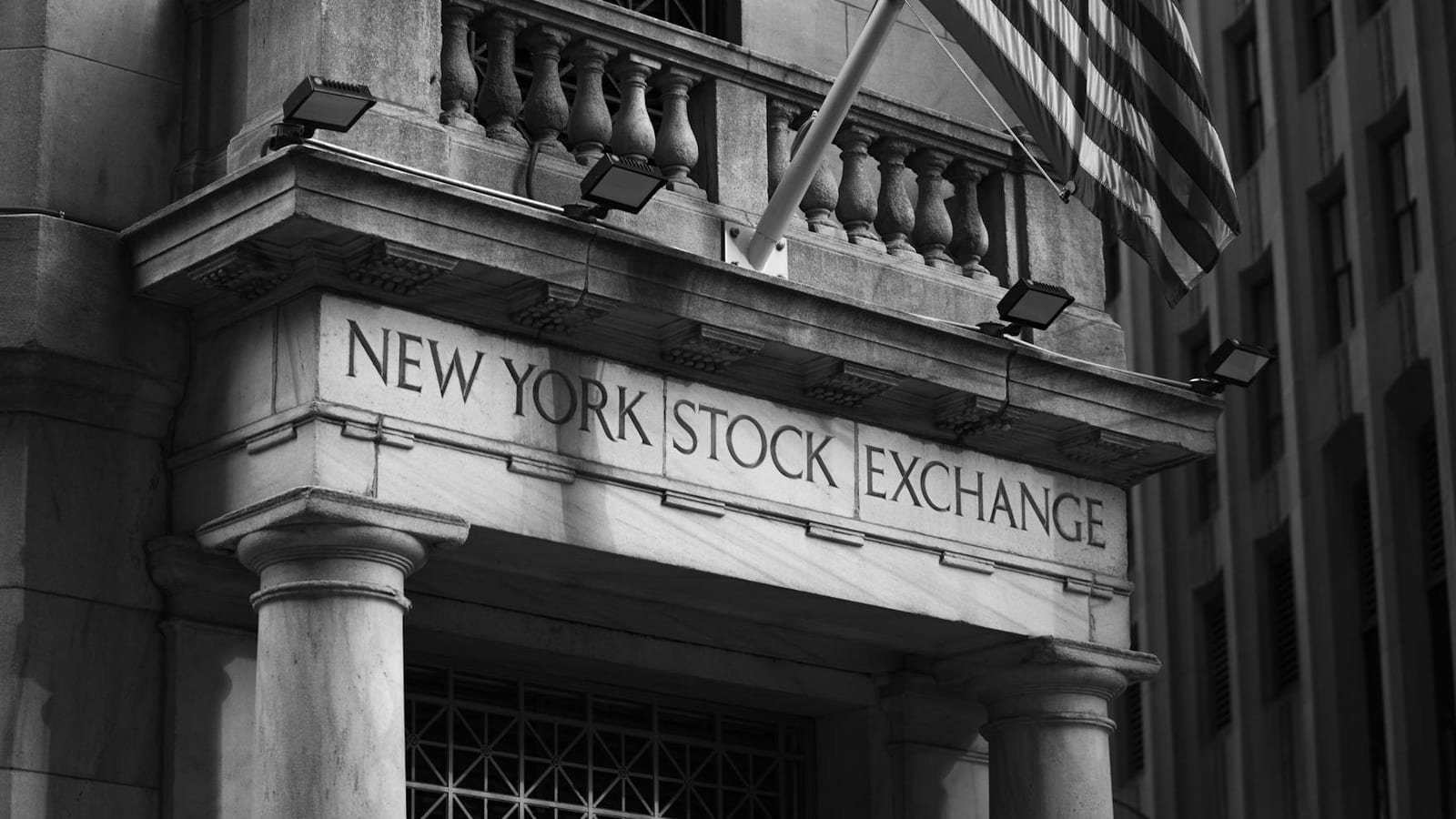
Wall Street is doing what markets love most, climbing while everyone else worries.
The S&P 500 and Nasdaq closed at record highs in the previous session. Futures pointed higher again on Friday, May 29, as investors bet on two things at once: artificial intelligence profits and calmer oil markets.
For an Indian investor with US mutual fund exposure, this is not just foreign market noise. A 0.13 percent move in an S&P-linked ₹5 lakh holding means about ₹650 before costs and currency changes.
Wall Street keeps climbing
The Bombay Stock Exchange’s Sensex and the National Stock Exchange’s Nifty 50 often take cues from Wall Street. That matters when US stocks are setting records.
Dow Jones futures rose 0.21 percent in early trade. S&P 500 futures gained 0.13 percent. Nasdaq 100 futures moved up 0.17 percent.
These are small moves on paper. But they come after a long rally. The S&P 500 was heading for its ninth straight weekly gain, its longest such run since December 2023.
All three major US indices also looked set for a second straight monthly gain. That tells us investors are not just buying one hot stock. They are backing the wider market.
The reason is simple. Big technology companies keep showing strong demand linked to AI. Investors are willing to pay high prices if earnings keep rising.
Still, record highs always bring a warning. When markets run too fast, even small disappointments can hurt. Retail investors know this feeling well from India’s own bull markets.
Iran talks cool oil prices
The second trigger came from West Asia. Reports of progress in talks between the United States and Iran pushed crude oil prices lower this week.
Donald Trump had yet to approve the arrangement. But Washington and Tehran were said to have agreed to extend a ceasefire and ease shipping limits through the Strait of Hormuz.
That narrow waterway carries a large share of global oil shipments. When it looks unsafe, crude prices jump. When it looks calmer, oil traders quickly cut risk premiums.
Brent crude for July fell 1.77 percent to $92.05 a barrel. The more active August contract slipped 1.76 percent to $91.07. US West Texas Intermediate crude dropped 1.74 percent to $87.35.
For the week, Brent was down about 11 percent. WTI fell nearly 10 percent. That is a sharp move for a commodity which touches every household budget.
For India, cheaper oil can ease pressure on fuel, freight and inflation. It can also help the rupee, because India imports most of its crude.
But households should not expect petrol prices to fall the next morning. Pump prices depend on taxes, refining costs and decisions by oil marketing companies. The relief first shows up in inflation math.
Pakistan enters the diplomatic frame
Pakistan also has a role in the talks. US Secretary of State Marco Rubio was scheduled to meet Pakistani Deputy Prime Minister and Foreign Minister Ishaq Dar in Washington.
Pakistan is acting as a mediator in the US-Iran discussions. That is not a small detail for India. Any shift in West Asian power equations has a way of reaching South Asia.
US Vice President JD Vance said Washington was very close to a wider strategic agreement in West Asia. He said recent US steps could help reopen the Strait of Hormuz.
He also said they could weaken Iran’s conventional military strength and delay Tehran’s nuclear programme. Those claims will need proof over time.
Markets, however, rarely wait for perfect proof. They price hope first and ask harder questions later.
This is why oil fell before any final approval from Trump. Traders saw enough signs of lower risk and moved quickly.
For Indian businesses, the signal is useful but incomplete. Airlines, paint companies, logistics firms and chemical makers all watch oil closely. A lasting fall in crude can improve margins.
A short fall only gives temporary breathing space. That is the difference investors must track.
Fed rates remain the shadow
The rally has one large shadow: US inflation. The April inflation print rose at its fastest pace in three years.
US first-quarter gross domestic product growth was also revised lower to an annual pace of 1.6 percent. GDP is the size of the economy’s output. A lower reading means growth was weaker than first thought.
That mix is uncomfortable. Prices are rising, but growth is cooling. Central banks dislike that combination because rate decisions become harder.
Money markets expect the Federal Reserve to keep interest rates steady for most of the year. Some traders now see a chance of a 0.25 percentage point hike in December.
For Indian readers, the Fed matters more than it appears. Higher US rates can pull money away from emerging markets. That can hurt the rupee and foreign flows into Indian equities.
A weaker rupee makes imports costlier. It can also affect students paying fees abroad, travellers, and companies with dollar debt.
This is why Indian investors should watch both AI profits and US inflation. One pushes stocks up. The other can pull global money back into safer dollar assets.
Dell shows the AI trade
The clearest stock-level signal came from Dell. Its shares surged 37.8 percent before the opening bell after the company raised full-year profit and revenue forecasts.
That is a huge pre-market jump. On a ₹5 lakh holding, a 37.8 percent move would mean about ₹1.89 lakh in value, before currency and trading costs.
Peers also gained. Hewlett Packard Enterprise rose 18 percent, while Super Micro Computer added 10.4 percent.
The message is clear. Investors are still hungry for companies that sell the hardware behind AI. Servers, data centre systems and related equipment remain in demand.
But there is a catch here. AI enthusiasm can lift many stocks together, even when their businesses differ. That creates excitement, but also raises the risk of overpaying.
Indian investors buying global tech funds should check concentration. If a fund owns many AI-linked names, the gains can be sweet. The fall can also be sharp.
The market is now balancing three stories: AI earnings, oil relief and central bank caution. Any one of them can change the mood.
For ordinary investors, the lesson is not to chase every record high. The smarter move is to know what you own, why it is rising, and what could break the story. Wall Street may be celebrating today, but your money still needs a seat belt.