Wall Street rally, oil slide lift Asia market mood
US indices hit fresh highs as AI earnings and hopes of a US-Iran deal push oil lower, easing inflation and rupee worries for Indian investors.
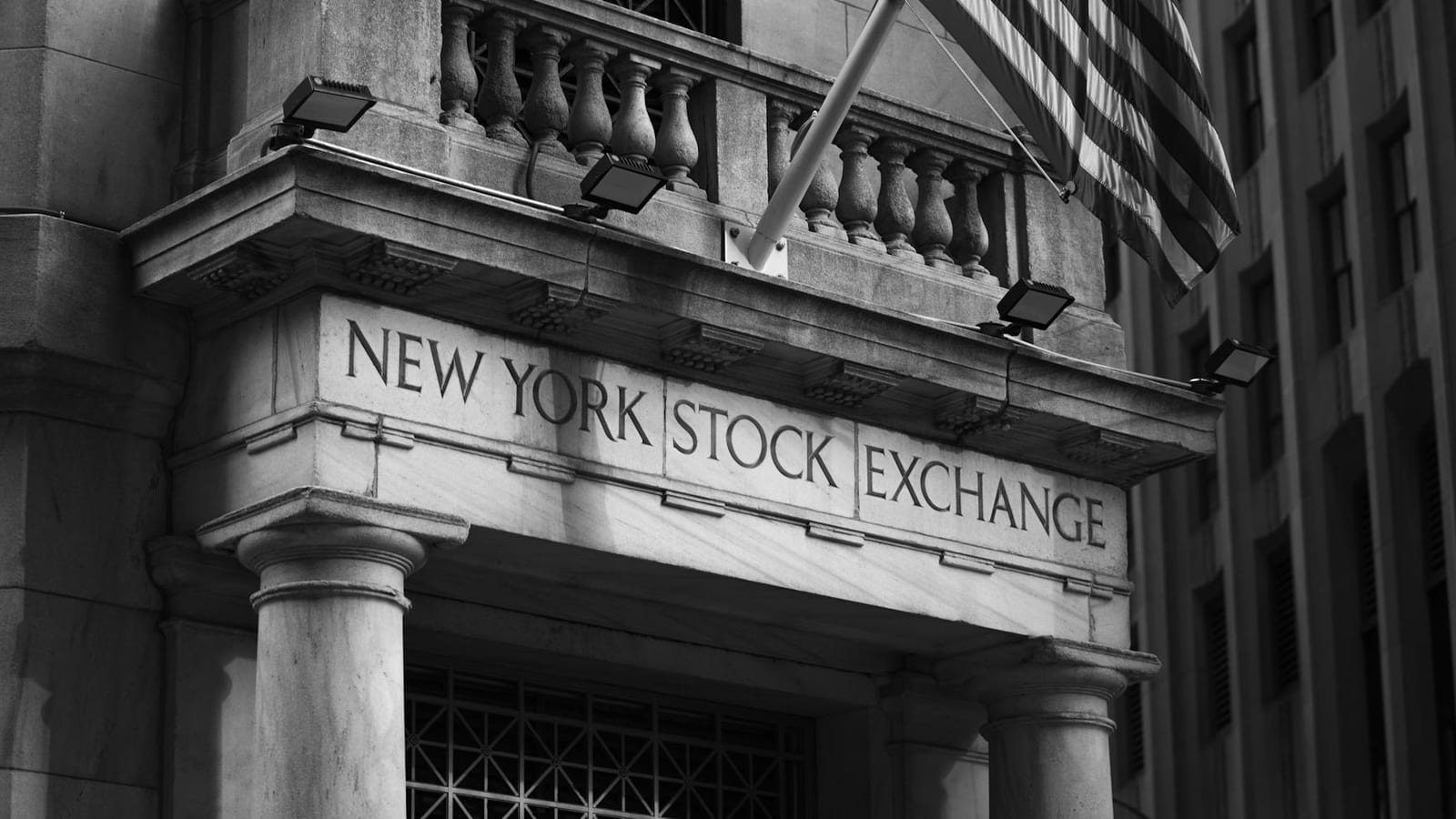
A record high in New York may feel far away from Mumbai. But when Wall Street rallies and oil falls 10 percent in a week, Indian wallets do feel the tremor.
The S&P 500 and Nasdaq closed at fresh records in the previous session. On Friday, May 29, US futures pointed to another positive start, as investors bet on two big hopes: stronger AI earnings and a possible US-Iran peace deal.
For Indian investors, this is not just foreign market gossip. Cheaper crude can ease pressure on petrol, inflation, the rupee, and company margins. A stronger US market can also lift sentiment across Asia.
Wall Street stretches its winning run
The S&P 500 was on course for its ninth straight weekly gain. That would mark its longest such run since December 2023.
The Dow Jones Industrial Average and Nasdaq also looked set to end the week higher. All three major US indices were heading for a second straight monthly gain.
Before the market opened, Dow futures rose 0.21 percent. S&P 500 futures gained 0.13 percent, while Nasdaq 100 futures climbed 0.17 percent.
These are small moves on paper. But they matter after a long rally. They show investors are still willing to buy, even after record highs.
The mood has changed quickly. Only weeks ago, markets worried about inflation, oil shocks, and war risk. Now, traders are talking again about earnings, AI demand, and lower crude prices.
Oil drop changes the inflation story
Crude oil gave markets their biggest comfort this week. Brent crude for July fell 1.77 percent to $92.05 a barrel. The more active August contract dropped 1.76 percent to $91.07.
US West Texas Intermediate crude slipped 1.74 percent to $87.35. For the week, Brent fell around 11 percent, while WTI lost nearly 10 percent.
That is a sharp fall. For India, it matters more than most global market moves.
India imports most of its crude oil. When crude rises, the pressure spreads everywhere. Fuel, transport, food delivery, airline costs, paint, plastics, and fertilisers all feel it.
When crude falls, the benefit takes time. Pump prices may not drop quickly. But lower crude can still reduce stress on inflation and the trade deficit.
The trade deficit is the gap between what India imports and exports. A smaller oil bill helps the rupee, because India needs fewer dollars to pay for imports.
That gives the Reserve Bank of India more breathing room. It also helps companies that use fuel or petroleum products as inputs.
US-Iran talks calm traders
The oil fall came as investors watched talks between United States and Iran closely. Washington and Tehran were reported to have agreed to extend their ceasefire and ease shipping restrictions through the Strait of Hormuz.
The Strait of Hormuz is a narrow sea route. A large share of global oil passes through it. When it looks unsafe, crude prices usually jump.
President Donald Trump had not yet approved the arrangement, based on available details. That is why markets stayed upbeat, but not careless.
US Secretary of State Marco Rubio was expected to meet Pakistan’s Deputy Prime Minister and Foreign Minister Ishaq Dar in Washington. Pakistan has been acting as a mediator in the talks.
US Vice President JD Vance said Washington was close to a broader strategic agreement in West Asia. He said recent US actions could help reopen Hormuz, weaken Iran’s conventional military strength, and delay Tehran’s nuclear programme.
Markets like peace because peace makes prices easier to forecast. Companies can plan shipments. Refiners can plan purchases. Central banks can plan interest rates.
But peace deals are not balance sheets. They can change overnight. That is the risk investors may be underpricing right now.
AI earnings keep buyers excited
The other big driver is artificial intelligence. AI has kept US technology stocks in strong demand, even when inflation and war risks looked uncomfortable.
Dell gave the latest spark. Its shares surged 37.8 percent before the opening bell after the company raised its full-year profit and revenue forecasts.
Hewlett Packard Enterprise rose 18 percent. Super Micro Computer gained 10.4 percent. Investors read these moves as proof that AI spending has not cooled.
This matters because the US rally has leaned heavily on technology. When AI-linked companies deliver better numbers, traders forgive many macro worries.
Still, there is a question smart investors should ask. Are profits spreading across the market, or staying concentrated in a few AI-linked names?
If only a small group pulls the index higher, the rally becomes fragile. One weak forecast can then hurt sentiment across the sector.
Indian IT investors should watch this closely. US enterprise spending feeds revenue for Indian software services firms. If AI spending grows, Indian firms may get new work. If AI budgets replace traditional tech spending, the story becomes more complicated.
Fed rate hopes stay cautious
The Federal Reserve remains the final judge of this rally. US inflation rose in April at its fastest pace in three years. First-quarter US GDP growth was also revised down to 1.6 percent annually.
That combination is uncomfortable. It means prices are still hot, while growth looks softer than first thought.
Money markets now expect the Federal Reserve to keep interest rates steady for most of the year. Some traders see a chance of a 25 basis point hike in December.
A basis point is one-hundredth of a percentage point. So 25 basis points means 0.25 percent.
For Indian investors, US rates affect foreign money flows. Higher US rates make American bonds more attractive. That can pull money away from emerging markets, including India.
Lower oil helps India. Strong Wall Street sentiment helps risk appetite. But a hawkish Federal Reserve can still spoil the party.
This is why the Bombay Stock Exchange’s Sensex and National Stock Exchange’s Nifty 50 may react with caution. A global rally is useful, but India still has its own earnings, valuations, monsoon, and inflation story.
For a retail investor with a Rs 5 lakh equity portfolio, a 1 percent global sentiment swing can mean Rs 5,000 on paper. That is not life-changing, but it changes behaviour. People buy more when green screens last too long.
That is the real lesson from this week. Markets are cheering lower oil, AI profits, and peace hopes. But ordinary investors should separate relief from certainty. If crude stays lower and talks hold, India gets a genuine macro cushion. If either breaks, the same rally can turn nervous very quickly.