Wall Street rally stretches as tech lifts S&P 500
US equities extended gains as technology shares helped the S&P 500 notch another record, reinforcing momentum for Indian global fund investors.
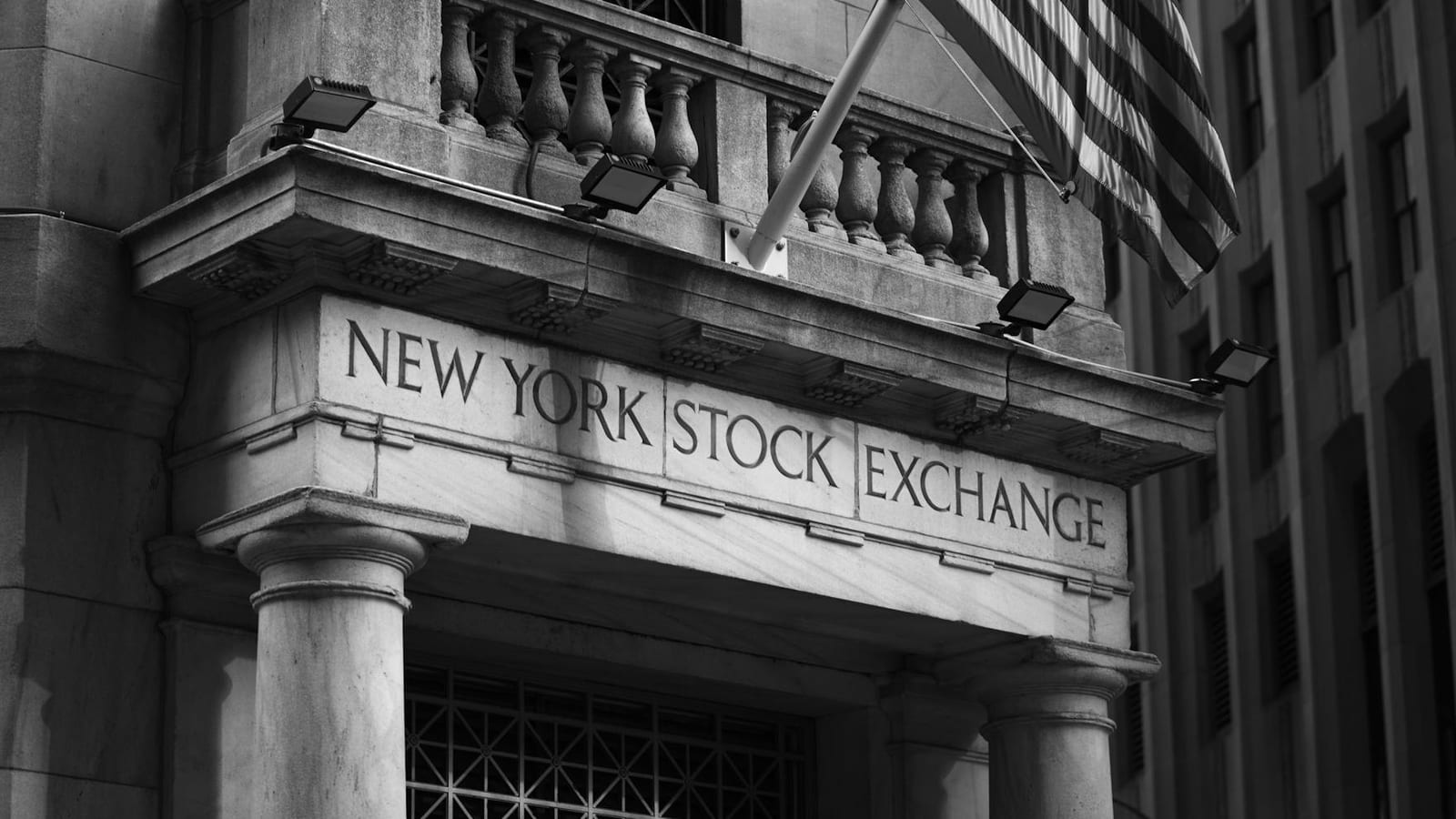
Wall Street did not just climb last week. It looked past war risk, oil nerves, and sticky inflation, then still found room for fresh records.
The S&P 500 closed higher for the ninth straight week. For Indian investors with US funds, Nasdaq ETFs, or global tech exposure, that matters. A ₹5 lakh overseas equity holding tracking big US stocks would have gained roughly ₹1,100 this week, before currency and fund costs.
The move was not dramatic day by day. But markets often make their strongest statement quietly. This rally says investors still trust American tech earnings more than they fear the next oil shock.
Wall Street extends its winning run
All three major US indices ended the holiday-shortened week higher. The Dow Jones Industrial Average rose 0.72 percent. The S&P 500 gained 0.22 percent. The Nasdaq Composite added 0.20 percent.
On Friday, the S&P 500 rose 16.43 points to 7,580.06. That gave it a fourth straight record closing high. The Dow climbed 363.49 points to 51,032.46, while the Nasdaq ended at 26,972.62.
For Indian readers, think of this like the Bombay Stock Exchange’s Sensex or the National Stock Exchange’s Nifty 50 making repeated lifetime highs. It does not mean every stock is flying. It means the heavyweights are pulling the index upward.
That distinction matters. The US rally still rests heavily on technology shares. If your mutual fund owns global tech stocks, this helps. If your portfolio is broader, the benefit may look much smaller.
Oil relief calms market nerves
The market also got comfort from lower oil prices. Reports of progress between the United States and Iran eased fears around shipping and energy supply.
The Strait of Hormuz sits at the centre of this story. A large share of global oil trade passes through this narrow route. Any serious disruption there quickly raises petrol, diesel, and transport costs across the world.
Brent crude moved lower during the week, though it still settled near $91 a barrel on Friday. The August Brent contract fell 1.7 percent that day. US crude also dropped 1.7 percent to $87.36 a barrel.
For India, this is not a distant number on a trading screen. Cheaper oil can reduce pressure on the rupee. It can also help contain fuel-linked inflation, from truck freight to airline fares.
But the relief is fragile. US President Donald Trump had not formally approved the reported arrangement. Iranian state media also said the deal was not final. Markets liked the direction, not the certainty.
That is the point investors should hold on to. Oil has cooled, but it has not disappeared as a risk. One sharp headline from West Asia can still change the mood before Indian markets open.
Tech stocks keep doing the heavy lifting
Technology remains the engine of this rally. The tech sector inside the S&P 500 jumped more than 15 percent in May. Many other sectors in the index declined during the same period.
That tells us the rally is powerful, but narrow. Investors are paying up for companies tied to artificial intelligence, cloud computing, chips, and data centres. They are not showing the same excitement for every corner of the economy.
Dell Technologies became the week’s standout example. Its shares surged nearly 30 percent after the company raised its sales outlook. Dell pointed to about $60 billion in expected revenue from AI servers.
AI servers are powerful machines used to train and run artificial intelligence systems. They need expensive chips, advanced cooling, and huge data-centre spending. That is why investors see them as a serious growth line.
For Indian investors, the lesson is simple. The AI trade is no longer only about chipmakers. It now includes hardware sellers, server makers, power suppliers, and data-centre companies.
Still, markets can become impatient. When a stock rises 30 percent after one forecast, expectations rise with it. The next earnings report then has very little room for disappointment.
Fed caution still hangs over markets
The Federal Reserve remains the other big piece of the puzzle. Investors expect US interest rates to stay unchanged at the next meeting. Many now expect no quick cut for the rest of the year.
That matters because US rates shape global money flows. When rates stay high, foreign investors often prefer safer dollar assets. When rates fall, more money usually moves into equities and emerging markets.
For India, this can affect foreign portfolio flows into Dalal Street. A strong Wall Street rally can lift sentiment here. But high US rates can still limit how much global money moves toward India.
Bond markets showed some relief. The US 10-year Treasury yield eased to 4.44 percent, down from 4.45 percent a day earlier. The 30-year yield also slipped slightly to 4.9817 percent.
Lower yields help growth stocks because future profits look more valuable when borrowing costs soften. That is one reason tech stocks react so strongly to bond moves.
The dollar also weakened slightly. The dollar index slipped 0.1 percent to 98.90, while the euro rose to $1.1663. A softer dollar can help emerging markets, including India, if the move continues.
What Indian investors should watch
The big question now is not whether US markets are strong. They clearly are. The better question is whether the strength can spread beyond a small group of tech winners.
If the rally broadens, global equity funds may see more stable gains. If it stays narrow, portfolios can look good on paper while carrying hidden risk. A handful of stocks cannot carry a market forever.
Indian retail investors should also watch crude closely. A fall from panic levels helps India’s import bill. But oil near $90 is still not cheap for a country that buys most of its crude from abroad.
The rupee is another signal. If the dollar weakens and oil cools, India gets breathing space. If oil rises again while the dollar strengthens, inflation worries can return quickly.
There is also a behavioural trap here. Record highs make people feel late and left out. That is when many investors buy expensive funds without checking what they actually own.
A sensible approach is boring, but useful. Know your exposure to US tech. Check whether your international fund depends too much on a few AI names. Avoid treating every record high as a fresh buy signal.
Wall Street’s record run tells us risk appetite is alive. It also tells us investors are willing to forgive a lot when technology earnings look strong. For ordinary Indian investors, the next few weeks will test whether this rally has real depth, or just a very bright tech spotlight.