Wall Street slips as oil and inflation worries mount
US stocks opened lower as traders weighed rising crude, inflation pressure and Mideast tensions, signals Indian investors may need to watch closely.
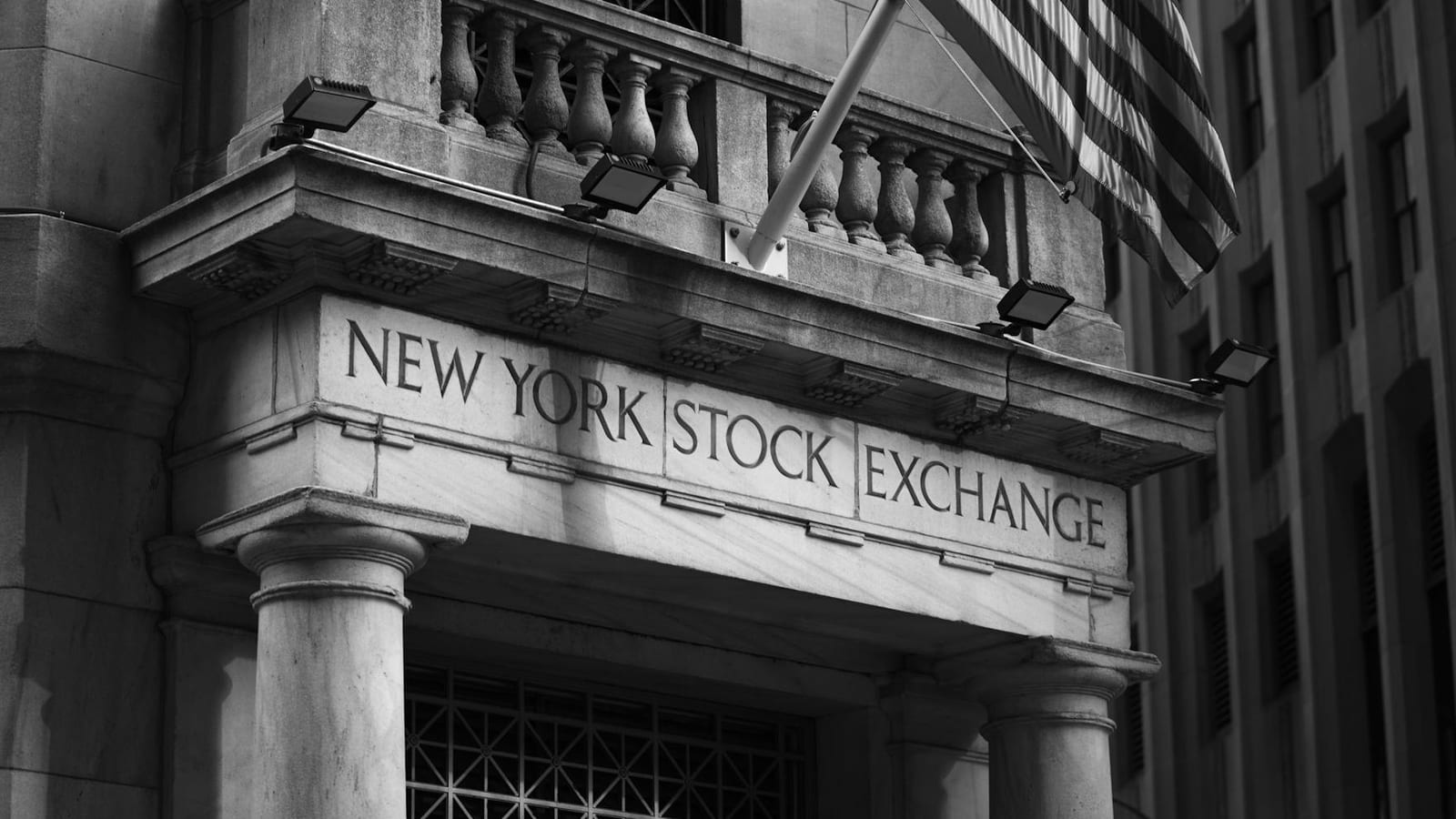
Oil near $96 a barrel is not just a Wall Street headache. It can become a petrol pump, airline fare, and inflation problem very quickly.
That is why Indian investors should not dismiss Thursday’s weak opening in US stocks as distant noise. When crude rises, the dollar hardens, and US rates stay high, the pain travels fast.
On 28 May, Wall Street opened on a cautious note as traders weighed fresh US-Iran tensions, hotter annual inflation, and mixed signals on a possible ceasefire.
Wall Street loses early nerve
The Dow Jones Industrial Average futures slipped 53 points, or 0.1 percent, before trade. S&P 500 futures fell 0.09 percent, while Nasdaq 100 futures dropped 0.21 percent.
At the open, all three major US indices were down by up to 0.3 percent. That is not a crash. But it tells you traders were unwilling to take big bets.
This came just after a strong Wednesday session. The Dow had closed at a record 50,644.28, up 182.60 points. The S&P 500 ended almost flat at 7,520.36, while the Nasdaq Composite rose 18.55 points to 26,674.74.
For Indian investors, the key point is simple. US markets are still near highs, but confidence has become thinner. A small shock now can move money quickly.
Oil brings inflation back
The big trigger was crude. Brent moved toward $96 a barrel after fresh attacks in the Persian Gulf raised supply fears.
Iran reportedly targeted a US airbase after Washington carried out fresh strikes. US Central Command said Kuwait intercepted missiles launched by Iran late Wednesday night, calling the attack a breach of the ceasefire.
This matters because the Strait of Hormuz sits near the centre of global oil trade. Any worry around that route makes traders price in risk. In plain English, oil becomes costlier because buyers fear supply may get disrupted.
For India, this is not academic. India imports most of its crude oil. When oil stays high, the import bill grows. That can pressure the rupee and make fuel, transport, and some goods costlier.
A kirana store owner in a tier-2 city may not track Brent crude. But higher diesel costs can still show up in the price of vegetables, packaged goods, and delivery charges.
Fed gets a harder choice
Inflation data added another layer of caution. The US Commerce Department said the personal consumption expenditures price index rose 3.8 percent in April from a year earlier.
This is the US Federal Reserve’s preferred inflation measure. Think of it as the Fed’s main thermometer for price pressure.
On a monthly basis, the index rose 0.4 percent in April, after a 0.7 percent rise in March. Core PCE, which removes food and energy, rose 0.2 percent for the month and 3.3 percent from a year earlier.
The monthly core number looked a little softer than expected. But the annual inflation reading still showed prices rising too fast for comfort.
That leaves the Federal Reserve in an awkward spot under Chair Kevin Warsh. Cutting rates too soon could feed inflation. Raising rates could hurt growth and markets.
Traders now expect the Fed to keep rates unchanged for most of the year. Some are still pricing in a possible 25 basis point hike in December. One basis point is one-hundredth of a percentage point, so 25 basis points means 0.25 percent.
For Indian households, US rates matter more than they seem. Higher US rates can pull global money toward dollar assets. That can hurt emerging markets, including India, and make foreign borrowing costlier.
Gold jumps after sharp fall
Gold had a dramatic session. Spot gold first fell to a two-month low near $4,385 an ounce as the dollar and crude strengthened.
Later, Comex gold rebounded by $107 an ounce to touch $4,502. Silver also recovered sharply, rising $3.30 from the day’s low to reach $75.23 intraday.
That kind of move tells you traders were confused, not comfortable. Gold usually gains when fear rises. But it can also fall when the dollar strengthens and bond yields move higher.
Indian families understand gold better than most asset classes. But global gold prices at these levels are no longer just about weddings and jewellery. They also reflect fear, inflation, and central bank policy.
For someone planning jewellery purchases, volatility means timing gets tricky. For investors, it means gold may protect a portfolio, but it can swing hard in both directions.
Stocks still find bright spots
Even in a tense market, some stocks moved sharply because of company-specific news.
Goldman Sachs strategists led by Ben Snider raised their year-end S&P 500 target to 8,000 from 7,600. They cited a very strong first-quarter earnings season.
That matters because Wall Street has not completely turned bearish. Big investors still see earnings support, especially after the rally in artificial intelligence-linked shares.
But that AI rally showed signs of fatigue in the previous session. Chipmakers, which powered many record highs in May, lost some steam.
Among individual movers, Snowflake surged after raising its annual product revenue forecast and announcing a five-year AI infrastructure deal with Amazon Web Services worth $6 billion. Datadog and MongoDB also gained.
On the weaker side, Marvell Technology slipped after quarterly results. HP also fell after warning that higher memory costs could hurt margins.
This is the market’s current split personality. Investors still want growth stories. But they are punishing companies that show margin pressure or weak guidance.
For Indian retail investors holding US tech funds or global ETFs, this means returns may become patchier. The broad index may look calm, while individual stocks move wildly.
The larger message is that markets are now balancing on three legs: oil, inflation, and rates. If crude cools and US-Iran talks hold, risk appetite can return quickly. If energy prices stay high, central banks may sound tougher, and investors may cut exposure.
For ordinary Indian readers, the story is not just about the Dow or Nasdaq blinking red. It is about whether global inflation gets another push, whether the rupee faces pressure, and whether your mutual fund statement feels the tremor before your monthly budget does.