Back Pocket Wallet Habit Can Trigger Sciatic Pain
Doctors say sitting on a thick wallet for hours can irritate the sciatic nerve, leading to back pain, tingling, burning or numbness.
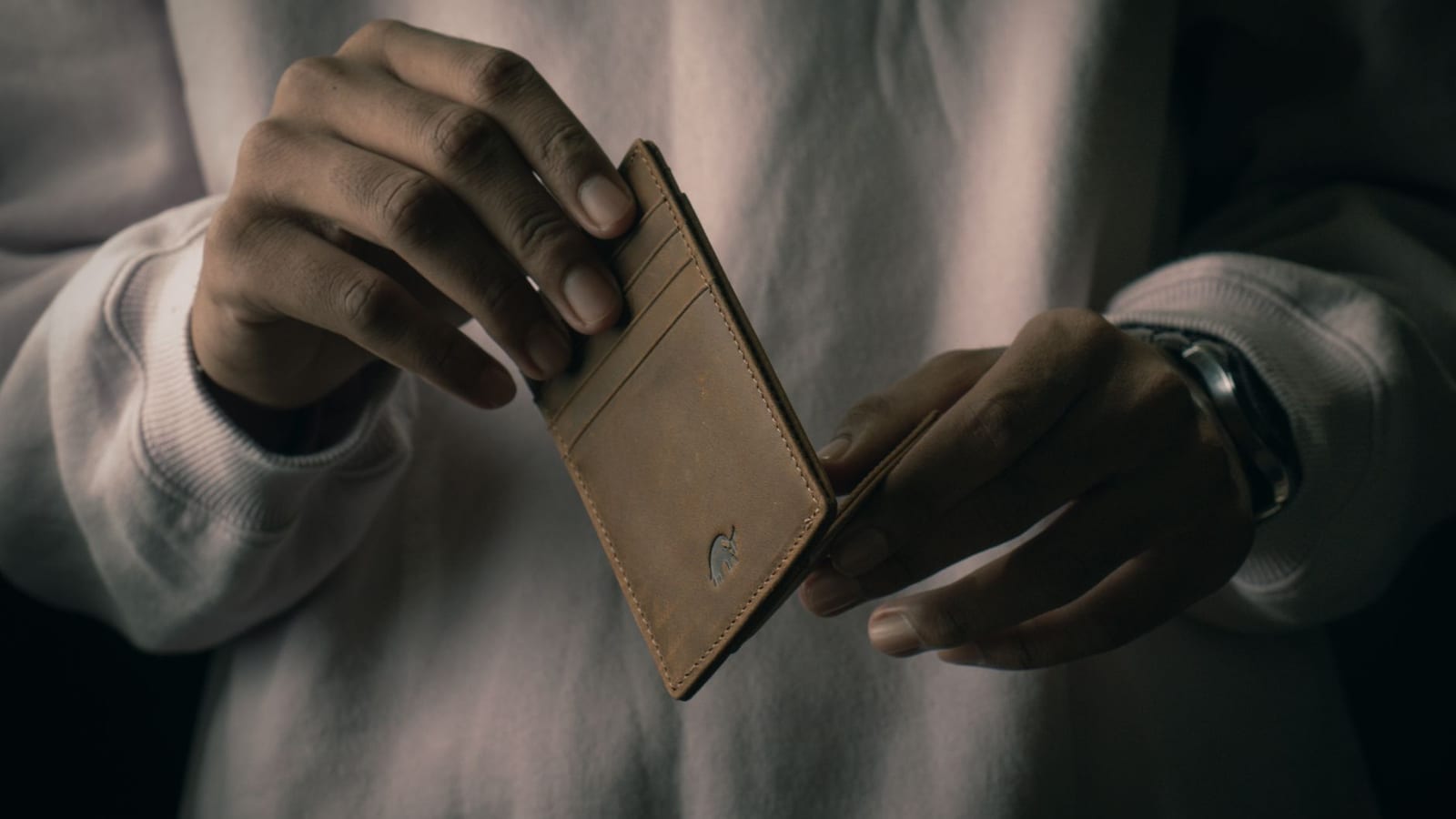
That fat wallet in the back pocket looks harmless until your back starts keeping score.
For many Indian men, the wallet is a mini locker. Cash, Aadhaar copy, driving licence, ATM cards, receipts, old visiting cards, maybe one forgotten passport photo. It goes into the back pocket in the morning and stays there through office chairs, scooters, taxis, meetings, and long drives.
Doctors have a name for the trouble this habit can cause. Medical literature describes it as Fat Wallet Syndrome, also called wallet neuritis or wallet sciatica. The idea is simple. Sit for hours on a thick wallet, and your body quietly adjusts around that uneven lump.
Why the wallet hurts
A report available through the National Library of Medicine describes how a thick wallet can press on the area around the buttock and pelvis. That pressure may irritate the sciatic nerve, the large nerve that travels from the lower back into the leg.
Think of the sciatic nerve like a main cable line. If something presses or pulls around it for long enough, the signal can get noisy. That noise may feel like pain, tingling, burning, or numbness.
The problem does not usually begin with one short lunch break. It builds through habit. A man who drives long distances, sits through office shifts, or spends hours at a desk may keep loading the same side of his pelvis every day.
That small tilt matters. When one hip sits slightly higher, the lower back and muscles around the pelvis compensate. Over time, that may strain the back, tighten muscles, and irritate nearby nerves.
What doctors mean by sciatica
Sciatica is not just ordinary back pain. MedlinePlus, a health information service of the US National Library of Medicine, explains that the sciatic nerve runs from the lower back through the hips and down each leg.
When this nerve gets irritated, pain may travel down the buttock, thigh, calf, or foot. Some people feel pins and needles. Some feel numbness. Others describe a sharp pull when they sit, stand, or bend.
A wallet is not the only cause. Slipped discs, spinal narrowing, muscle tightness, diabetes-related nerve problems, and injuries can also create similar symptoms. That is why doctors dislike quick self-diagnosis.
Still, the wallet habit is worth noticing because it is so easy to miss. People may blame age, gym workouts, long commutes, or bad chairs. The real trigger may be sitting daily on a lopsided back pocket.
This is especially relevant in India, where many people spend hours commuting by car, bike, cab, bus, or office transport. Long sitting is already hard on the lower back. A thick wallet adds one more avoidable stress.
The problem is posture
The word “syndrome” can sound dramatic. In this case, the basic mechanics are very ordinary.
When you sit on a wallet, one side of your pelvis rises. Your spine then tries to keep your upper body balanced. Muscles on one side may tighten more than the other. The pressure may also fall near the piriformis muscle, a small muscle deep in the buttock.
The sciatic nerve passes close to this area. In some people, pressure or tightness there can mimic sciatica. The pain can feel like it comes from the back, even when the starting point is lower down.
This is why the condition can confuse patients. A person may visit a doctor for back pain, but the trigger sits in a back pocket. The pain may improve when the wallet moves to the front pocket or a bag.
The risk rises when the wallet is bulky or uneven. Hard cards, folded papers, coins, and multiple ID cards can turn it into a small wedge. Sit on that wedge for hours, and the body has to absorb the angle.
The same logic applies to phones, keys, or any hard object in the back pocket. The issue is not only the wallet. It is repeated pressure on one side while sitting.
Who should pay attention
The obvious group is men who carry thick wallets and sit for long periods. Drivers, office workers, sales staff, bankers, government employees, and frequent travellers may all fit that pattern.
Young professionals should not dismiss it either. Many now carry fewer notes but more cards. Add a phone in the other pocket, wireless earbuds, receipts, and office access cards, and the body still pays the price.
People with existing back pain should be more careful. If your lower back already hurts, a back-pocket wallet may worsen the irritation. It may not be the root cause, but it can add fuel.
There are also warning signs that need medical attention. See a qualified doctor if pain shoots down the leg, numbness persists, weakness appears, walking becomes difficult, or bladder and bowel control changes.
Those signs can point to problems beyond wallet pressure. A doctor may examine your reflexes, muscle strength, posture, and pain pattern. In some cases, they may advise imaging or physiotherapy.
For mild discomfort, the first fix is almost boring. Remove the wallet before sitting. Keep it in a front pocket, bag, desk drawer, or car console. If you drive, make this a habit before starting the engine.
Slimming the wallet also helps. Carry only the cards you need that day. Avoid storing old bills and unnecessary papers. Digital payments have already reduced the need to carry cash everywhere.
The larger lesson is not about panic. It is about paying attention to small daily habits. Back pain often comes from repeated stress, not one heroic injury. A chair, a commute, a sleeping position, or a wallet can all matter.
A thick wallet may signal preparedness, but your spine does not care about sentiment. If one simple change can reduce pressure on your back and leg nerves, it is worth making today. Ordinary health is often protected by ordinary choices, made before pain forces the conversation.
This article is for informational purposes only and does not substitute medical advice. Consult a qualified physician for any health concern.
This article is for informational purposes only and does not substitute medical advice. Consult a qualified physician for any health concern.