Back-Pocket Wallet Habit Linked To Sciatica Risk
Doctors warn that sitting on a thick wallet can tilt the pelvis, strain the lower back, and trigger hip pain, tingling or sciatica.
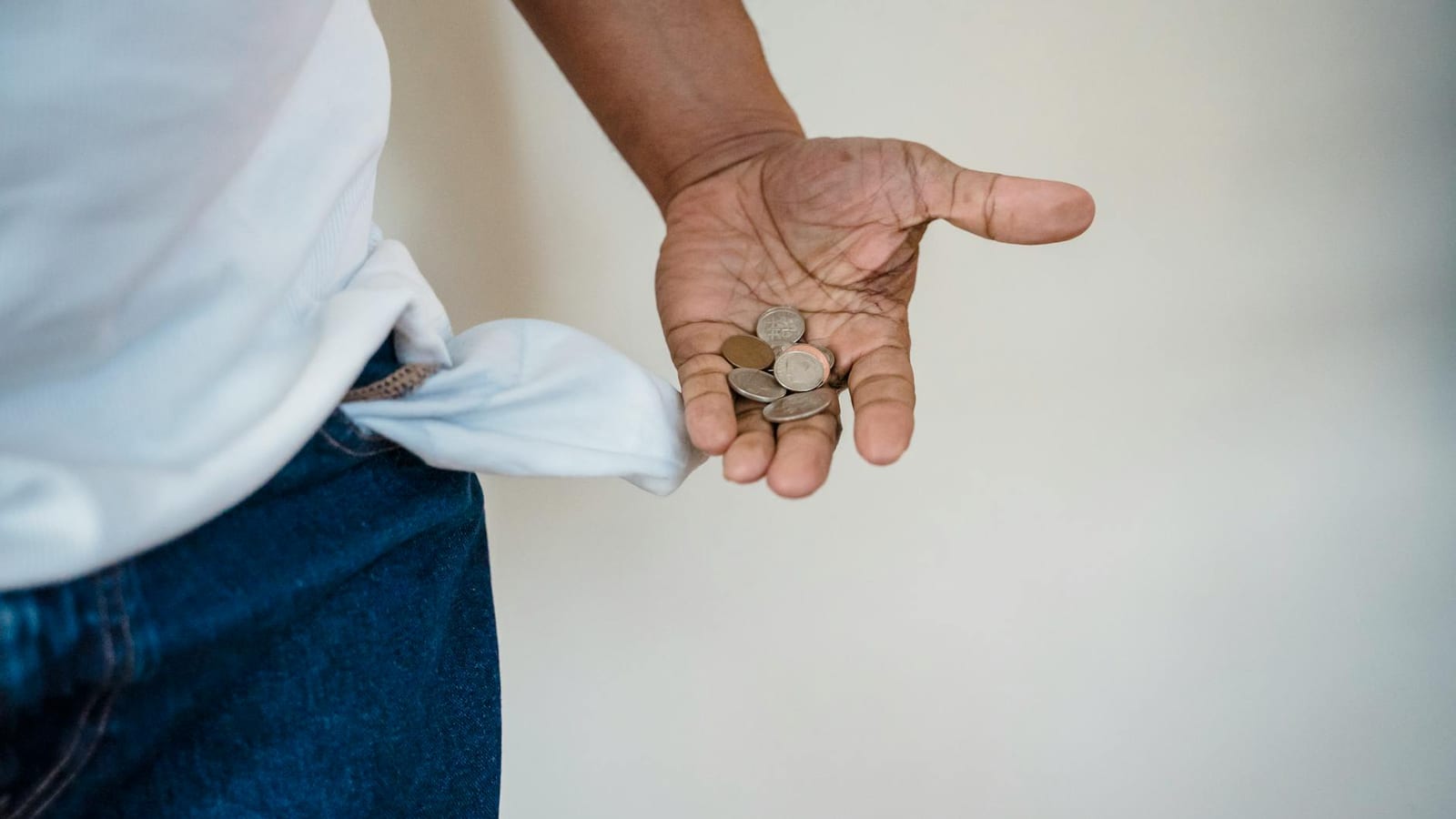
The wallet in your back pocket looks harmless until your lower back starts keeping score.
For many men in India, the wallet is almost a mini filing cabinet. Cash, cards, ID proof, receipts, old slips, sometimes even photos sit inside it. Then it stays under one hip for hours, through office chairs, bike rides, car seats, and long commutes.
Doctors have a blunt name for the trouble this can trigger: fat wallet syndrome. It sounds almost funny. The pain is not.
Why the wallet hurts
A report indexed by the National Library of Medicine has flagged this habit as a possible cause of back, hip, and leg pain. The problem begins when a thick wallet lifts one side of the pelvis.
Think of your pelvis like the base of a table. If one leg becomes taller, the whole table tilts. Your spine then adjusts to that tilt, and your muscles work harder to keep you upright.
That uneven sitting position can press on nerves and strain muscles. Over time, the body may protest through lower back pain, hip tightness, tingling, or numbness in the leg.
The main nerve people worry about here is the sciatic nerve. It runs from the lower back, through the buttock, and down the leg. When it gets irritated, pain can travel far from the original spot.
Small habit, long sitting hours
This issue matters more now because many Indians sit for long stretches. Office workers sit at desks. Drivers sit through traffic. Students sit in coaching centres. Sales staff move around, then sit with the same wallet still in place.
The wallet does not need to be huge to cause trouble. Even a modest bulge can change posture if someone sits on it daily for years.
The risk rises when the wallet is thick, hard, or uneven. Multiple cards create edges. Coins make pressure points. A tightly packed wallet can behave like a wedge under the body.
A person may first dismiss the pain as ordinary tiredness. That is common. Back pain in India often gets blamed on age, sleep, weight, or “weakness”. Sometimes, the chair is not the villain. The wallet is.
What the body is telling you
Fat wallet syndrome is not usually an emergency. It is more like a repeated bad signal to the body. Sit badly often enough, and the body starts adapting in unhealthy ways.
The first warning may be a dull ache near the lower back or buttock. Some people feel pain after a long drive. Others notice one leg going slightly numb after sitting.
If the sciatic nerve gets irritated, the pain may shoot downward. That kind of pain can feel sharp, burning, or electric. It may also come with pins and needles.
Still, readers should avoid panic. A wallet can contribute to pain, but it is not the only cause. Slipped discs, arthritis, muscle injury, diabetes-related nerve issues, and poor seating can also cause similar symptoms.
That is why doctors usually look at the full picture. They ask where the pain travels, what makes it worse, and whether weakness or numbness has appeared.
The easy fix costs nothing
The simplest advice is also the most practical: do not sit on your wallet. Remove it before driving, working, or sitting for a long meal.
Keep it on the table, in a bag, or in the front pocket. A front pocket also lowers the risk of pickpocketing in crowded places.
The second fix is to thin the wallet. Carry only the cards and cash you need that day. Most urban payments now happen through UPI, so many people no longer need a brick-sized wallet.
Men often treat wallet bulk like a harmless habit. But posture does not care about habit. The spine responds to load, angle, and pressure.
If pain has already started, removing the wallet is a good first step. Gentle stretching and better seating may help. But persistent pain needs medical advice, especially if it travels below the knee.
Watch for red flags. Sudden leg weakness, loss of bladder control, fever, unexplained weight loss, or severe night pain need urgent care. These signs can point to more serious problems.
Why this advice matters
Health advice often sounds dramatic because it competes for attention. This one does not need drama. It is useful because it is simple, cheap, and easy to test.
For a young professional on a long commute, removing the wallet can reduce daily strain. For a taxi driver, it can change eight hours of sitting. For an older man with back pain, it may remove one avoidable trigger.
The larger lesson is also familiar. Small daily choices quietly shape health. We notice the gym session, the diet plan, or the medical bill. We ignore the posture we repeat thousands of times.
A wallet in the back pocket will not harm everyone. But if your back or leg has started complaining, it deserves suspicion. Sometimes, the body does not need a scan first. It needs you to stop sitting on a lump of leather and plastic.
This article is for informational purposes only and does not substitute medical advice. Consult a qualified physician for any health concern.
This article is for informational purposes only and does not substitute medical advice. Consult a qualified physician for any health concern.