Back Pocket Wallets Can Trigger Sciatic Nerve Pain
Doctors warn that sitting on a thick wallet can tilt the pelvis, irritate the sciatic nerve and cause hip, back or leg pain over time.
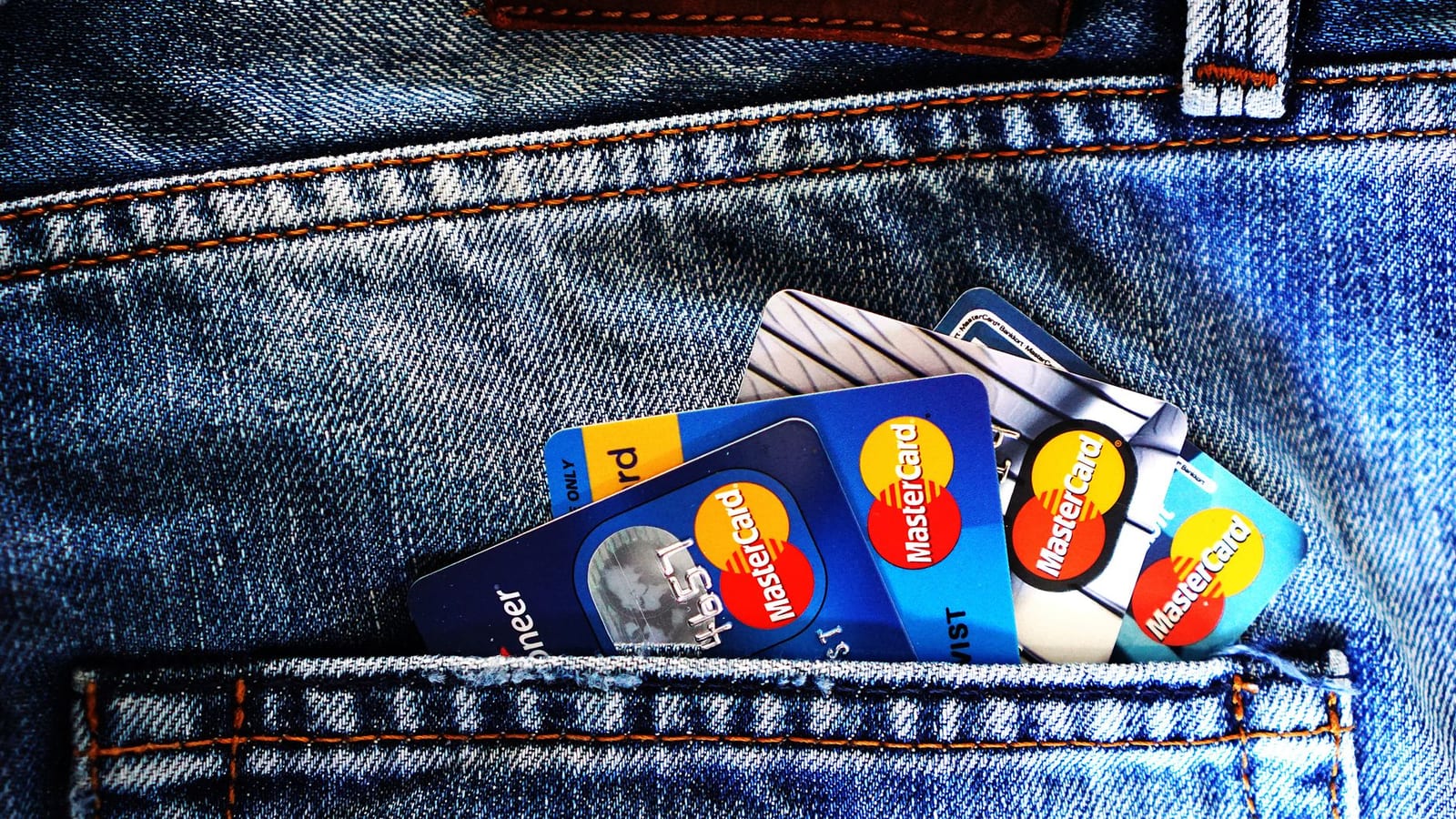
That thick wallet in your back pocket may look harmless, until your leg starts tingling on a long drive.
For many Indian men, the wallet is almost a portable filing cabinet. Cash, cards, ID proof, fuel bills, office slips, maybe an old visiting card from 2018. It goes into the back pocket every morning and stays there through office chairs, bikes, cars, trains, and dinner tables.
Doctors call the resulting problem “wallet neuritis” or fat wallet syndrome. In plain English, it means your wallet can press on nerves and muscles around the hip and trigger pain down the leg.
Why the back pocket hurts
Researchers writing in the National Library of Medicine database have described how sitting on a thick wallet can irritate the sciatic nerve. This nerve runs from the lower back, through the buttock, and down the leg.
Think of the wallet as a small wedge under one side of your body. When you sit on it for hours, one hip sits slightly higher than the other. Your pelvis tilts, your spine adjusts, and nearby muscles work harder than they should.
That small tilt may not hurt on day one. But repeat it daily, especially during long commutes or desk work, and the body starts complaining. The pain can show up in the lower back, buttock, thigh, calf, or foot.
MedlinePlus explains sciatica as pain, weakness, numbness, or tingling linked to the sciatic nerve. A back-pocket wallet is not the only cause. But it is one avoidable trigger.
What fat wallet syndrome means
Fat Wallet Syndrome is not a dramatic new disease. It is a mechanical problem, and that makes it easier to understand.
When you sit on a bulky wallet, it can compress soft tissue in the buttock. It may also put pressure near the piriformis muscle. This small muscle sits deep in the buttock, close to the sciatic nerve.
If that area gets irritated, the symptoms can mimic classic sciatica. The person may feel pain shooting down one leg. Some feel pins and needles. Others report numbness after sitting for too long.
The tricky part is diagnosis. A person may think the problem comes from the spine. A doctor may look for a slipped disc or other back trouble. Sometimes the simple cause sits right inside the trouser pocket.
Older medical reports have described cases where wallet pressure caused sciatica-like pain. The evidence is mostly from case reports and small clinical observations. So this is not a mass public health scare. But the mechanism makes sense.
Who should pay attention
This matters most for people who sit for long stretches. Office workers, drivers, sales executives, students, and frequent flyers should take it seriously.
A cab driver who spends eight hours behind the wheel already puts pressure on the lower back. Add a thick wallet under one hip, and the body must work around that imbalance all day.
The same applies to a young professional in a metro city. He may sit through a commute, then sit at work, then sit again in traffic. The wallet becomes part of his posture without his noticing it.
Indian habits make this worse. Many people still carry multiple cards, identity documents, cash, and receipts. Digital payments have reduced cash use, but wallets have not become thinner for everyone.
There is also a gender angle. Doctors have long described wallet-related sciatica more often in men. That is likely because men commonly keep wallets in back trouser pockets.
But the lesson is not limited to men. Any object that lifts one side of the pelvis can create a similar problem. A phone, key bunch, or compact pouch can also disturb sitting posture.
Simple fixes that work
The easiest fix is almost embarrassingly simple. Remove the wallet before you sit.
Put it on the table, inside a bag, or in the car console. If you drive a two-wheeler or sit in public transport, shift it to the front pocket before the ride.
A front-pocket wallet also lowers the risk of pickpocketing. That is not medical advice, just street-smart common sense.
Slimming the wallet helps too. Keep one or two essential cards, limited cash, and one identity proof when needed. Clear old receipts every few days.
Many people do not realise how thick their wallet has become. If it looks like a small brick, your back already has a complaint ready.
The second fix is movement. Stand up every 30 to 45 minutes if your job allows it. Walk a little, stretch the hips, and reset your posture.
If pain has already started, do not just blame age or the office chair. Remove the wallet habit first and see whether symptoms ease. If pain continues, speak to a doctor or physiotherapist.
Seek medical care quickly if you have leg weakness, loss of bladder control, fever, unexplained weight loss, or severe pain after injury. These signs need proper evaluation, not home experiments.
The larger point is familiar. Our bodies often pay for tiny habits that feel too small to matter. A wallet in the back pocket is one of them. It will not damage everyone, and it should not create panic. But if a five-second change can spare months of back and leg pain, it is a sensible trade. The next time you sit down, check your pocket first. Your spine may quietly thank you later.
This article is for informational purposes only and does not substitute medical advice. Consult a qualified physician for any health concern.
This article is for informational purposes only and does not substitute medical advice. Consult a qualified physician for any health concern.