Back-pocket wallets can trigger sciatic nerve pain
Doctors warn that sitting on a bulky wallet can tilt the pelvis, irritate the sciatic nerve and send pain from the hip down the leg over time.
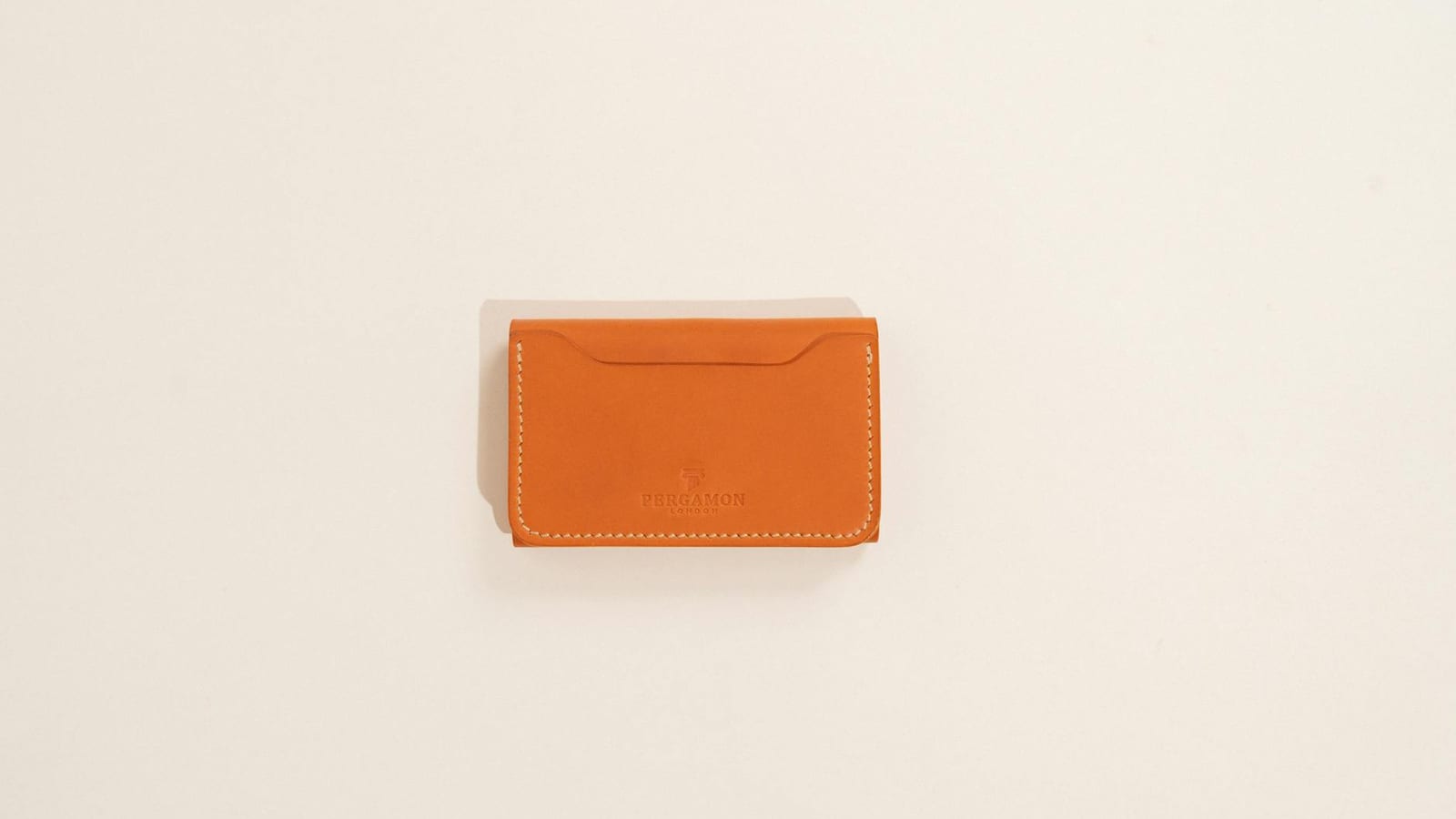
That bulky wallet may be doing more than ruining the line of your trousers.
For many men, the back pocket is the default parking spot for cash, cards, IDs, bills, receipts, and forgotten visiting cards. Then they sit on it through office hours, traffic jams, flights, and long family functions.
Doctors have a name for the trouble this can create: wallet neuritis, often called fat wallet syndrome. It sounds almost comic, until the pain travels from the hip down the leg.
Why the wallet hurts
Fat Wallet Syndrome is not a dramatic new disease. It is a simple mechanical problem with a medical consequence.
When you sit on a thick wallet, one side of your pelvis rises slightly. Your body then adjusts around that tilt. The lower back, hip muscles, and nerves take the load.
A review indexed by the National Library of Medicine describes this as pressure around the sciatic nerve. That is the large nerve running from the lower back, through the buttock, and down the leg.
When this nerve gets irritated, pain may not stay in one place. It can move from the buttock to the thigh, calf, or foot. Some people feel tingling, burning, or numbness.
This is why the problem can look like sciatica. Sciatica means pain linked to irritation of the sciatic nerve. But the trigger here may sit inside your trouser pocket, not inside your spine.
The small habit behind pain
The annoying part is that nobody starts this habit thinking about their spine.
A banker may sit through meetings with a wallet under one hip. A driver may keep it there through hours of traffic. A doctor may carry cards and cash through a long workday, then sit between rounds.
A case-based medical paper on PubMed discussed wallet neuritis in three working professionals, including a doctor, driver, and banker. That matters because these are not unusual jobs. They are ordinary Indian working lives.
The paper did not study thousands of people over many years. So we should not pretend the evidence is bigger than it is. But the pattern makes practical sense.
Pressure plus time can irritate a nerve. An uneven sitting posture can strain nearby muscles. Do both daily, and the body may start complaining.
Most Indian cities now make this worse. Commutes are longer. Workdays involve more sitting. Even after office hours, many people sit again, on bikes, in cabs, at dinner tables, or on sofas.
A fat wallet is not the only reason for back or leg pain. Slipped discs, muscle strain, diabetes-related nerve trouble, arthritis, and other conditions can cause similar symptoms.
That is why persistent pain needs medical attention. But if the pain worsens while sitting, the wallet deserves suspicion.
What happens inside the body
Think of your pelvis like the base of a chair. If one leg of the chair becomes taller, the whole thing tilts.
A wallet does something similar under one buttock. It lifts one side and makes the pelvis sit unevenly. The spine then compensates, because the body wants to keep your head level.
That compensation may tighten the lower back and hip muscles. One small muscle near the buttock, called the piriformis, sits close to the sciatic nerve.
If muscles around that area tighten or swell, they can trouble the nerve. If the wallet presses directly around the nerve path, the irritation can grow.
The symptoms can vary. One person may feel dull pain in the hip. Another may feel a sharp line of pain down the leg. Someone else may feel pins and needles after driving.
Doctors often call this an extra-spinal nerve problem. That simply means the nerve may face pressure outside the spine. The pain can still feel like a back issue.
This distinction matters for treatment. A person may worry about a serious spinal problem, when the first fix is far simpler. Remove the pressure, change the sitting habit, and observe the symptoms.
Still, pain that lasts, spreads, or causes weakness should never be brushed aside. Numbness, foot weakness, loss of bladder control, fever, or injury-related pain needs urgent care.
The fix is almost boring
The first rule is easy. Do not sit on your wallet.
If you drive, remove it before starting the car. If you work at a desk, place it in a bag or drawer. If you are on a long flight, keep it out of the back pocket.
The second rule is to slim it down. Most wallets carry old bills, expired cards, duplicate IDs, and paper slips nobody needs. Keep only what you use daily.
The third option is a front pocket wallet. It reduces pressure on the hip and makes pickpocketing harder. A small crossbody pouch or bag works too.
Digital payments have already changed how Indians carry money. Many people now need fewer notes than before. Yet wallets remain stuffed because cards, IDs, and habit travel together.
This is where small behaviour changes matter. Health advice often sounds expensive or complicated. This one costs nothing.
Office workers can also stand and move every 30 to 45 minutes. Drivers can pause during long trips. People who sit for hours should stretch the hip and lower back gently.
But stretching will not help much if the wallet keeps returning under the same hip. Remove the cause before chasing complicated cures.
For families, this is worth noticing at home. If someone keeps complaining of hip pain after long sitting, check the back pocket. It is a simple question, not a diagnosis.
The larger lesson is not really about wallets. It is about how small daily habits quietly shape the body. Chairs, phones, laptops, bags, and pockets all train our posture.
A wallet in the back pocket will not harm everyone. Some people may sit that way for years without symptoms. But for those with hip, back, or leg pain, it is an easy risk to remove.
The best health fixes often sound unimpressive at first. Sit evenly. Carry less. Move more. And maybe stop letting a stack of plastic cards decide how your spine spends the day.
This article is for informational purposes only and does not substitute medical advice. Consult a qualified physician for any health concern.
This article is for informational purposes only and does not substitute medical advice. Consult a qualified physician for any health concern.