Back Pocket Wallets Can Trigger Sciatic Nerve Pain
Doctors warn that sitting on a thick wallet can tilt the pelvis, strain the lower back and irritate the sciatic nerve during long desk hours.
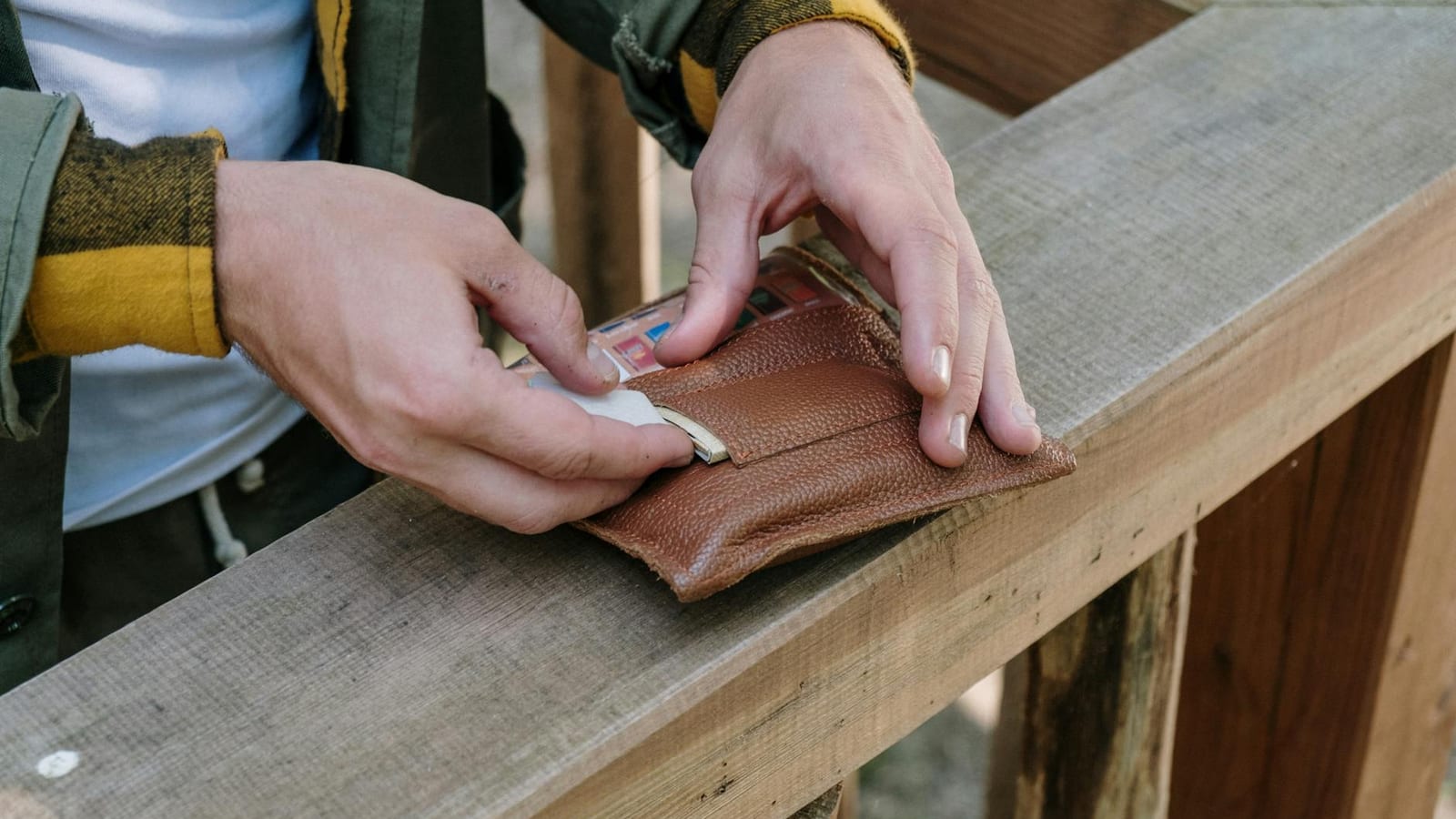
That fat wallet in your back pocket may be doing more than ruining your trouser line.
For many men, the wallet is almost part of the body. Cash, Aadhaar copy, office ID, cards, receipts, old bills, all packed into one tired leather block. Then it sits under one hip for hours, in office chairs, cars, trains, and cafes.
Doctors have a plain warning for this very ordinary habit. Sitting on a thick wallet can tilt the pelvis, strain the lower back, and irritate nerves that run into the leg.
Why the back pocket hurts
A report indexed by the National Library of Medicine describes this problem as wallet neuritis, also called Fat Wallet Syndrome. The name sounds almost funny. The pain is not.
The basic problem is simple. When you sit on a wallet, one side of your pelvis rises slightly. Your body then tries to balance itself. The spine, hip muscles, and lower back all adjust to this uneven seat.
Do this once, and nothing dramatic may happen. Do it daily for months, especially during long drives or desk work, and the pressure can build.
The sciatic nerve matters here. It is a large nerve that travels from the lower back through the hip and down the leg. When nearby muscles or tissues press on it, pain can travel along that path.
That is why some people feel pain in the buttock, lower back, thigh, or leg. Some may also feel tingling or numbness. It can feel like sciatica, though the trigger may be sitting posture.
A small habit with daily cost
This is not a rare Indian habit. Walk into any office, bus stand, or roadside tea stall. Many men will instinctively tap their back pocket before sitting down.
The habit comes from convenience. A wallet in the back pocket feels secure and familiar. It also keeps the front pockets free for keys, coins, and a phone.
But modern wallets have quietly become thicker. Cards replaced cash in many homes, yet wallets did not become slimmer. They now hold visiting cards, fuel receipts, loyalty cards, old slips, and sometimes documents people never use.
For someone who drives two hours a day, this matters. A small tilt under one hip can become a daily strain. Cab drivers, sales staff, office workers, and frequent travellers may feel it first.
The body rarely sends a formal notice. It starts with stiffness. Then comes a dull ache after sitting. Later, pain may shoot down the leg, or the foot may feel odd after a long meeting.
That is when people often blame the mattress, chair, age, or “weak back”. Sometimes those factors matter. But the wallet sitting under one hip can be the hidden culprit.
What the medical reports say
Medical papers on wallet neuritis do not claim every backache comes from a wallet. That would be too neat, and medicine is rarely that tidy.
The evidence points to a practical link. Long periods of sitting on a rear-pocket wallet can compress tissues near the hip. This can irritate the sciatic nerve and mimic lower back conditions.
Doctors at AIIMS Deoghar have also discussed “credit carditis”, another informal name for the same pattern. Their message is straightforward. The condition is preventable if people remove the pressure early.
The tricky part is diagnosis. A patient with leg pain may undergo tests for disc problems, muscle strain, or hip issues. Wallet-related nerve irritation can sit quietly in the list of suspects.
That does not mean people should self-diagnose every pain. Persistent back pain, weakness, bladder trouble, fever, or pain after injury needs medical attention. These are not “wallet problems” to ignore.
But for ordinary stiffness linked to long sitting, the back pocket deserves a quick check. The fix costs nothing, which is rare in healthcare.
How to protect your back
The simplest advice is also the best. Take the wallet out before sitting. Keep it on the desk, in a bag, or in the car console.
If you must carry it, shift it to the front pocket while walking. A front pocket also reduces the pickpocket risk in crowded places.
Slimming the wallet helps too. Keep only the cards you use often. Remove old receipts, extra photos, duplicate cards, and expired slips.
Digital payments have already changed how Indians spend. Many people no longer need to carry thick bundles of cash. A slim wallet now makes more sense than an old-style pocket brick.
Long drives need extra care. Before starting the car, empty the back pocket. Drivers tend to stay in one position for long stretches, which increases pressure on one side.
Office workers should stand up often. Even one or two minutes every half hour helps the back and hips. Movement keeps muscles from locking into one strained position.
A good chair helps, but it cannot fix an uneven base. If one hip sits higher because of a wallet, even an expensive ergonomic chair loses the battle.
When pain needs attention
Most wallet-related discomfort improves when the pressure stops. But pain that continues should not be brushed aside.
See a doctor if pain travels down the leg often. Also get help if numbness, weakness, or burning sensations keep returning. These symptoms may point to nerve irritation.
A physiotherapist may check posture, hip movement, and muscle tightness. A doctor may look for spine, disc, or nerve problems if symptoms seem serious.
The real lesson is not to panic about wallets. It is to respect small, repeated stress. The body can tolerate bad posture for a while, then suddenly send a bill.
For Indian families, this is a useful health warning because it is so easy to act on. No supplement, gadget, or expensive test comes first. Just remove the wallet before sitting.
A healthier back sometimes begins with a very ordinary decision. Before the next commute, meeting, or long dinner, check the back pocket. Your lower spine may thank you quietly later.
This article is for informational purposes only and does not substitute medical advice. Consult a qualified physician for any health concern.
This article is for informational purposes only and does not substitute medical advice. Consult a qualified physician for any health concern.