Bulky Back-Pocket Wallets Can Trigger Sciatic Pain
Sitting on a thick wallet can tilt the pelvis, strain the lower back and irritate the sciatic nerve, a condition known as fat wallet syndrome.
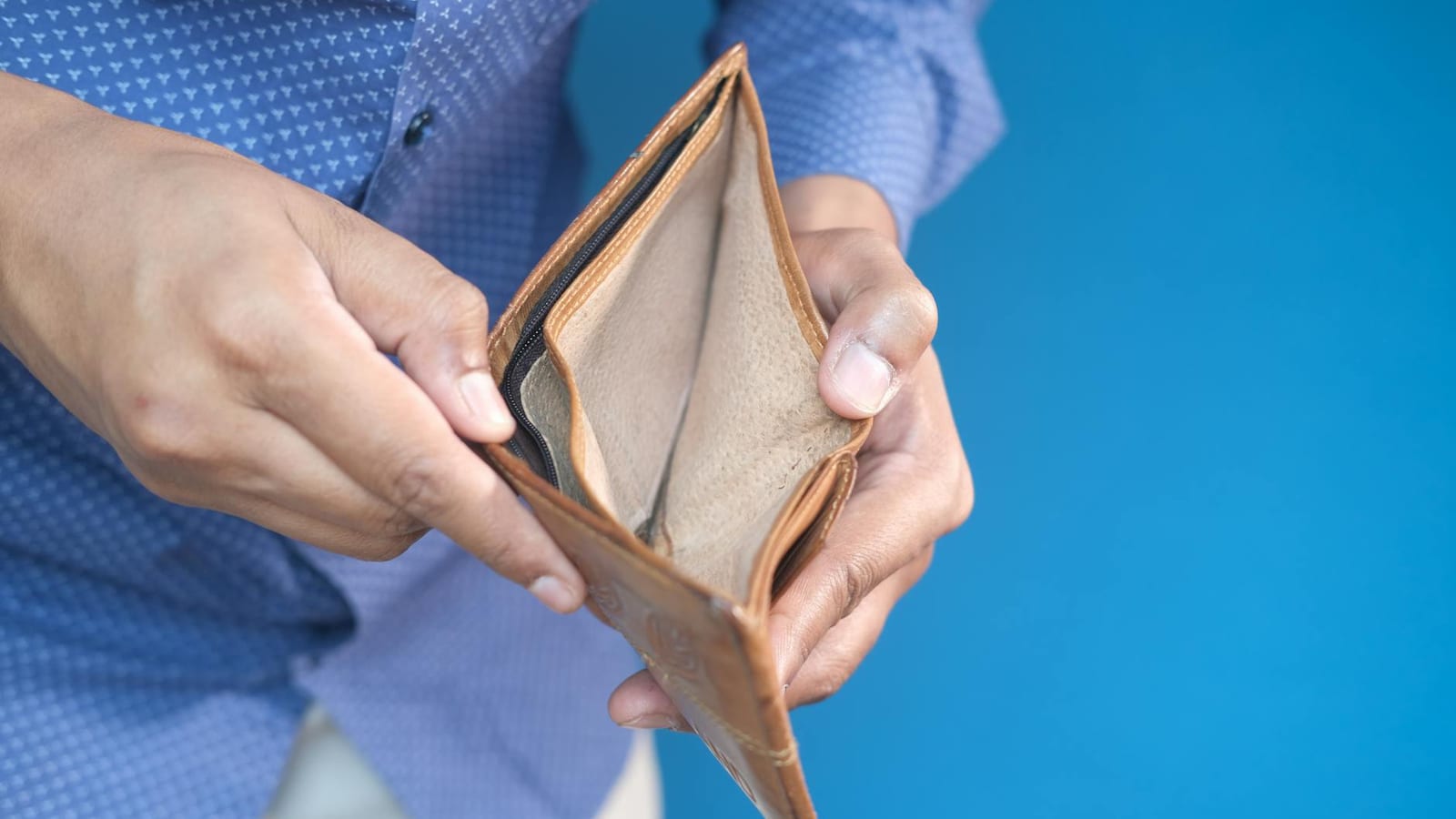
A thick wallet looks harmless until your lower back starts arguing with it.
For many Indian men, the back pocket is the default parking spot for cash, cards, IDs, bills, and old receipts. Then comes the office chair, the bike, the car seat, or the bus ride. Hour after hour, one side of the body sits slightly higher than the other.
That small tilt can matter. Medical literature calls this problem Fat Wallet Syndrome, or wallet neuritis. The name sounds almost comic. The pain, for some people, is not.
Why the back pocket hurts
A report available through the National Library of Medicine describes fat wallet syndrome as a pressure-related nerve problem. It can happen when someone sits for long periods on a bulky wallet.
Think of the pelvis as the body’s base plate. When one side sits on a lump, the base tilts. The spine then adjusts to keep you upright. Muscles tighten. Nerves may get irritated.
The main concern is pressure near the sciatic nerve. This nerve runs from the lower back, through the buttock area, and down the leg. When it gets compressed or irritated, pain can travel far from the original pressure point.
That is why the problem may not feel like a “wallet issue” at all. A person may complain of buttock pain, lower back pain, tingling, numbness, or a strange pulling feeling down the leg.
Doctors often hear these symptoms described as sciatica. Sciatica is not a disease by itself. It is a pattern of pain caused by irritation of the sciatic nerve.
The science is simple
The mechanics are not difficult to understand. Sit on a thick wallet, and your hip on that side rises. Your lower spine twists slightly to balance the body.
Do this once, and nothing dramatic may happen. Do it every day, during commutes and desk work, and the body starts paying interest.
The piriformis muscle sits deep in the buttock. In some people, irritation around this muscle can affect the sciatic nerve. NCBI Bookshelf describes piriformis syndrome as a condition where sciatic nerve entrapment can trigger pain in the buttock and down the leg.
Wallet pressure can mimic or worsen that pattern. It is not the only cause, of course. Slipped discs, spinal narrowing, muscle strain, and other conditions can cause similar pain.
This is where sensible caution matters. A wallet may be the trigger in some cases. It should not become the lazy explanation for every backache.
If pain persists, spreads, causes weakness, or affects bladder or bowel control, it needs medical attention. Those signs can point to more serious nerve or spine problems.
Office chairs and long commutes
The wallet habit fits neatly into modern Indian life. Many people sit more than they realise.
A young professional may spend an hour in traffic, eight hours at a desk, then another hour getting home. A salesman may drive across town all day. A shop owner may sit behind the counter between customers.
Nobody thinks of the wallet during all this. It sits there like part of the clothing. But the body does not see it that way. It sees uneven pressure.
The problem can become worse when wallets grow fat with things people rarely use. Multiple debit cards, old visiting cards, fuel bills, folded papers, photos, and loyalty cards all add height.
The irony is sharp. Digital payments have reduced the need to carry cash, yet many wallets still carry years of clutter.
For two-wheeler riders, the issue has another layer. Long rides already load the lower back and hips. Add a hard, uneven wallet under one side, and the posture becomes even less friendly.
Drivers face the same problem. Car seats hold the pelvis in one position for long stretches. If the wallet creates a tilt, the body cannot easily reset itself.
Small fixes work best
The easiest advice is also the most practical. Remove the wallet before sitting.
Keep it in a bag, on the desk, in the car console, or in the front pocket. This does not need a grand lifestyle change. It needs a new reflex.
A slimmer wallet helps too. Carry only what you actually need that day. One ID, one or two cards, and limited cash are enough for many people.
Front-pocket wallets can reduce pressure on the buttock. They may also reduce pickpocketing risk in crowded places. That matters in buses, railway stations, markets, and festivals.
But do not overcorrect in a foolish way. A thick front-pocket wallet can also press awkwardly when sitting. Slim is the key word.
People with recurring back or leg pain should also look beyond the wallet. Check the chair height. Keep both feet flat. Avoid sitting with one leg folded under the body. Take short standing breaks.
These small things sound boring because they are not miracle cures. But backs usually improve through boring consistency, not dramatic hacks.
When pain needs attention
Most wallet-related discomfort should ease once the pressure stops. If the wallet caused the irritation, removing it should reduce the trigger.
But pain that lasts for days deserves respect. Pain shooting below the knee, numbness, weakness, or foot dragging should not be ignored. These symptoms can mean nerve involvement.
A doctor may examine the back, hips, reflexes, muscle power, and sensation. In some cases, they may advise physiotherapy. In others, they may look for spine-related causes.
The point is not to panic over a wallet. The point is to notice a preventable strain.
Health advice often gets dressed up as complicated science. This one is almost embarrassingly simple. If you sit for hours, do not sit on a lump.
The bigger lesson is about how small habits add up. A wallet in the back pocket will not ruin every spine. But for people already living in chairs, cars, and traffic, it can become one more avoidable load. Your back does plenty for you every day. Taking the wallet out before sitting is a tiny courtesy it may quietly thank you for.
This article is for informational purposes only and does not substitute medical advice. Consult a qualified physician for any health concern.
This article is for informational purposes only and does not substitute medical advice. Consult a qualified physician for any health concern.