Desk Back Pain Rises as Chair Yoga Offers Relief
Chair yoga can help desk workers reduce stiffness from long sitting with simple movements for the back, shoulders, neck and hips.
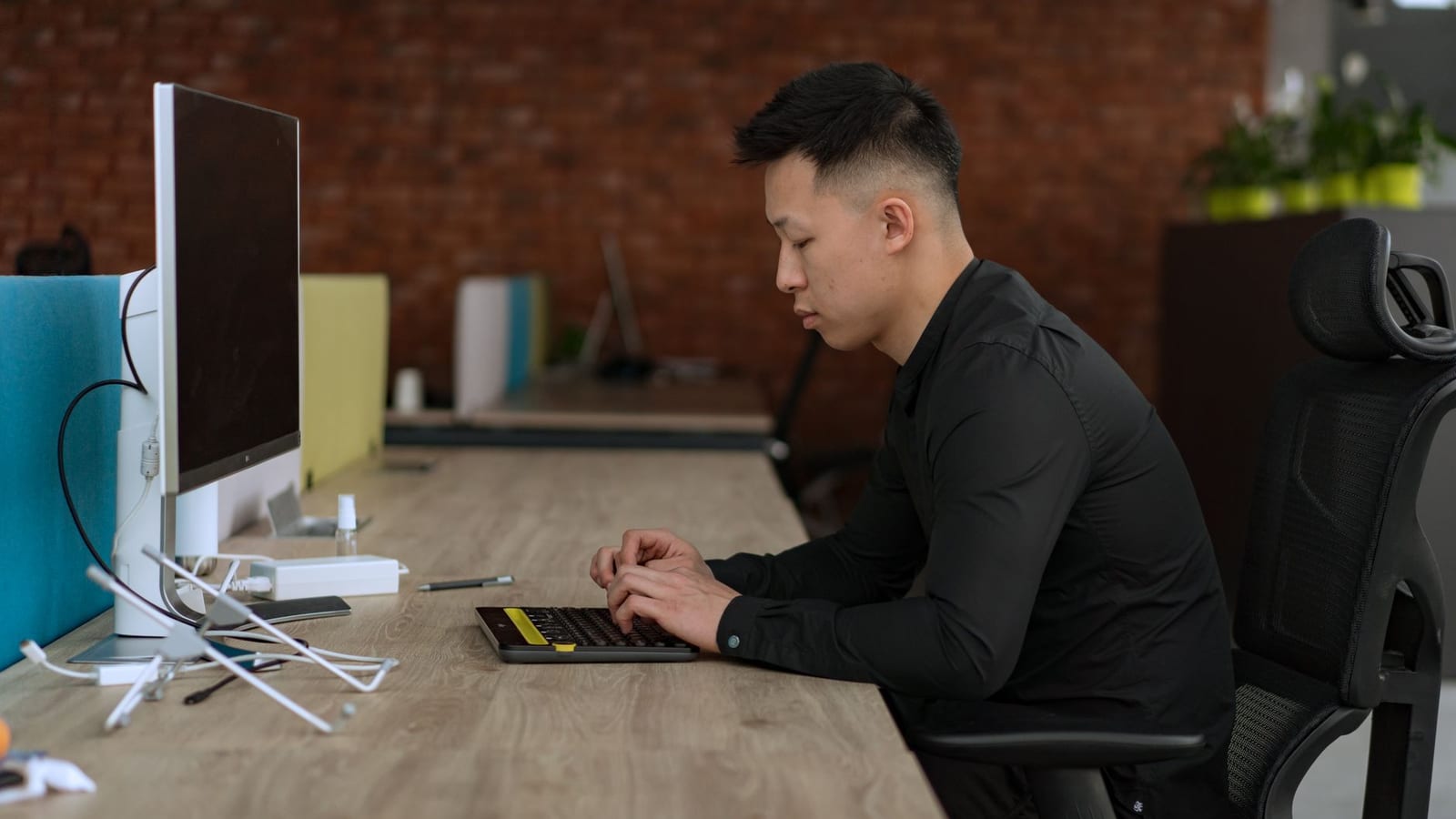
That familiar 4 pm backache is now part of office life for too many Indians.
Hours on a laptop, a low chair, and a neck tilted toward the screen can quietly turn into pain. The back tightens first. Then the shoulders join in. By evening, even the commute feels heavier.
Chair yoga will not cure every bad back. But for desk workers with stiffness from long sitting, a few careful movements can help.
Why sitting hurts your back
Long sitting does not only mean “poor posture”. It also means your spine stays in one position for too long.
When that happens, the muscles around the back, hips, neck, and shoulders stop moving freely. They become tight and tired. The body then complains through pain.
The World Health Organization says in its physical activity guidance that sedentary time has grown with screen-heavy work and transport. It also says any movement is better than none.
That line matters for office workers. You may not manage a gym session between meetings. But two minutes of movement between calls is still useful.
The NIOSH explains in its ergonomics guidance that awkward posture and repeated strain can worsen muscle and joint problems. In plain English, your chair and screen setup matter.
A screen below eye level makes you bend your neck. A chair without support makes your lower back work harder. Over months, small mistakes become daily pain.
Four chair yoga moves
The first move is the seated cat-cow stretch. Sit tall, place your hands on your knees, and breathe in.
As you inhale, lift your chest slightly and draw your shoulders back. As you exhale, round your back gently and bring your chin toward your chest.
Repeat this 5 to 10 times. The movement helps the spine move through flexion and extension. That simply means bending forward and opening backward.
The second move is a seated spinal twist. Sit straight, place your left hand on your right knee, and hold the chair with your right hand.
Turn your upper body to the right, without forcing the neck. Hold for a few seconds, then repeat on the other side.
This can ease stiffness around the lower back and waist. But do not jerk the body. Twists should feel like a slow wringing out, not a wrestling move.
The third move is chair pigeon pose. Sit upright and place your right ankle over your left knee.
Keep your back long, then lean forward slightly if comfortable. Hold for around 30 seconds, then change sides.
This targets the hips and outer thighs. Those areas often tighten when people sit through long workdays.
The fourth move is seated eagle arms. Bring both arms forward, cross one arm over the other, and try to bring the palms together.
Lift your elbows to shoulder height, then move the hands slightly away from the face. Hold the stretch while breathing slowly.
This helps the upper back and shoulders. It may suit people whose neck pain comes from tense shoulders.
Relief is not a diagnosis
Chair yoga can help when the problem is simple stiffness. It is not a magic fix for nerve compression, injury, infection, or a slipped disc.
The NHS says in its back pain advice that many cases improve within weeks. It also advises people to stay active and try gentle stretches.
That advice fits common office-related back pain. Resting in bed for days often makes the body stiffer, not better.
But there are warning signs. Pain that keeps worsening needs medical attention. So does pain with fever, sudden weakness, numbness, or bladder and bowel changes.
Pain running down the leg can point to nerve irritation. People often call this sciatica. It may need a doctor’s assessment, especially if it grows worse.
The Mayo Clinic notes in its back pain guidance that yoga may stretch and strengthen muscles. It also says some poses may need changes if symptoms worsen.
That is the sensible line. Move gently, listen closely, and stop if pain increases.
Make the desk less cruel
The best stretch cannot fully rescue a terrible workstation. The chair yoga routine works better when the desk setup also improves.
Keep the computer screen near eye level. This reduces the habit of dipping the neck for hours.
Keep both feet on the floor. Avoid folding one leg under the body for long periods.
Every 1 or 2 hours, stand up and walk for two minutes. It sounds too simple, but the body likes simple things done regularly.
Breathe slowly during each stretch. Deep breathing does not “send oxygen to the brain” in some magical way. But it can calm the body and reduce muscle guarding.
Muscle guarding means your body tightens around pain to protect itself. That tightness can then create more discomfort.
For Indian office workers, the real issue is not one bad chair. It is the culture of sitting through everything. Calls, meals, deadlines, and even tea breaks now happen at the same desk.
Chair yoga offers a small rebellion against that routine. Not dramatic, not expensive, and not a cure-all. Just a reminder that the body was never built to sit silently for nine hours.
This article is for informational purposes only and does not substitute medical advice. Consult a qualified physician for any health concern.
This article is for informational purposes only and does not substitute medical advice. Consult a qualified physician for any health concern.