Doctors Warn Back-Pocket Wallets Can Cause Back Pain
Sitting on a bulky wallet for hours can tilt the pelvis, strain the lower back and press nerves, a condition doctors call fat wallet syndrome.
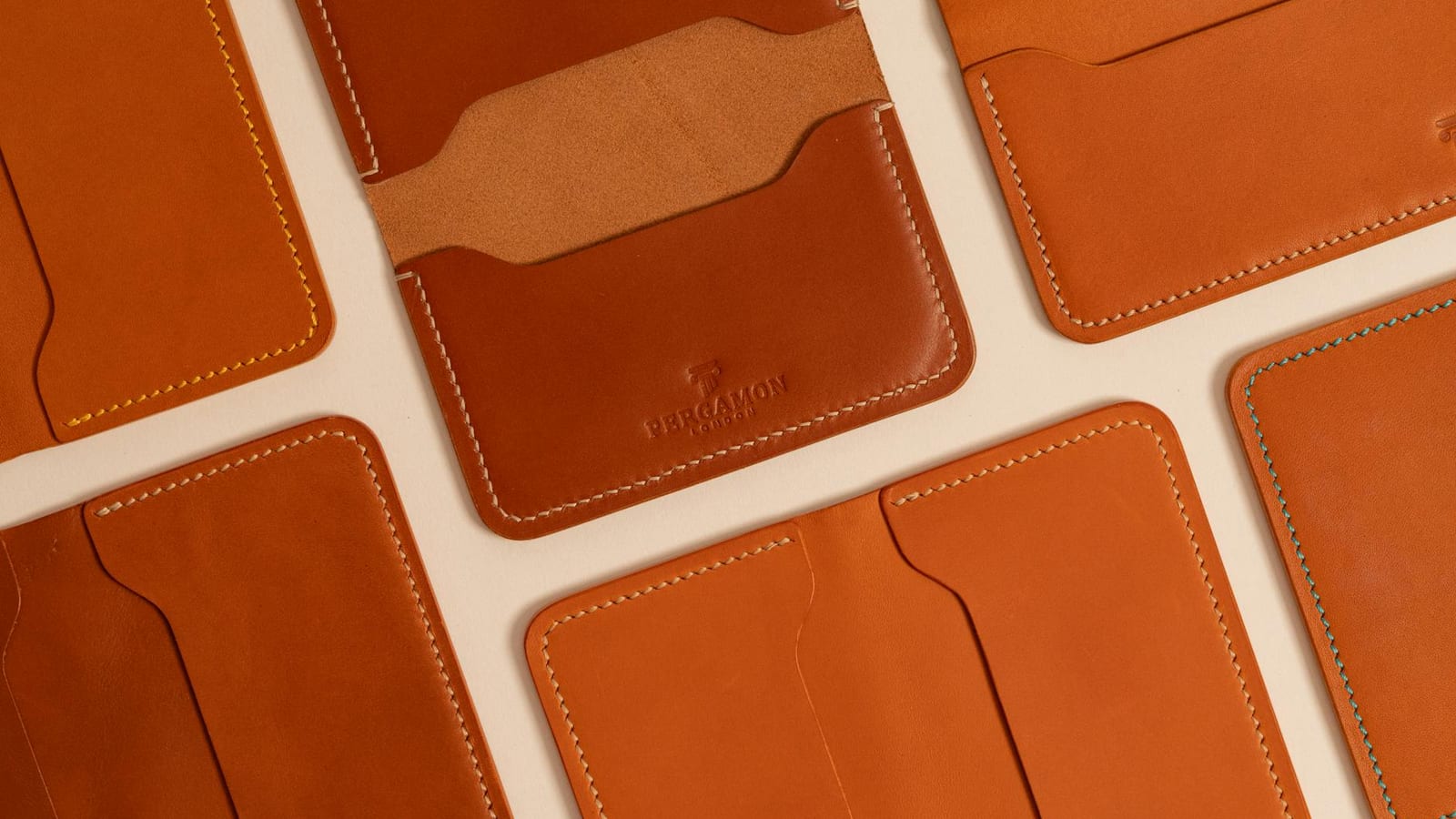
A thick wallet can do more than spoil the line of your trousers. Sit on it for hours, and your lower back may quietly start paying the bill.
For many Indian men, the back-pocket wallet is almost automatic. Cash, cards, ID proof, old bills, visiting cards, sometimes even folded medical papers. It goes into the rear pocket in the morning and stays there through office chairs, bike rides, car commutes, and long waits.
Doctors have a name for the trouble this can cause: Fat Wallet Syndrome. It sounds almost comic, but the pain can be very real.
Why the wallet hurts
A report available through the National Library of Medicine describes how sitting on a bulky wallet can disturb the balance of the pelvis. The pelvis is the bony ring at the base of your spine.
Think of it like placing a small stone under one leg of a chair. The chair may not fall, but it no longer sits evenly. Your body does something similar when one hip rests higher than the other.
Over time, this uneven sitting can strain the lower back. It may also put pressure on nerves that travel from the spine into the legs.
The most talked-about nerve here is the sciatic nerve. It runs from the lower back, through the hip, and down the leg. When it gets irritated, pain can travel along that path.
That is why some people feel pain in the buttock, thigh, or leg. Others feel tingling, numbness, or a strange heaviness after sitting for long periods.
The office-chair problem
The habit becomes riskier because modern life already keeps people seated. A desk worker may sit for eight or nine hours. A driver may sit even longer.
Add a thick wallet under one side, and the body keeps adjusting. The spine twists slightly. The muscles around the hip and lower back tighten to keep you upright.
At first, the body manages. Young professionals may ignore a dull ache after work. A shop owner may blame the pain on standing all day. A cab driver may assume it comes from traffic stress.
But repeated pressure can turn a small irritation into a daily problem. The pain may not appear on day one. It may build slowly, which makes the link harder to notice.
That is what makes this health warning useful. It points to a simple cause that many people never check.
When pain travels downward
Back pain does not always stay in the back. When nerves get involved, the body sends signals elsewhere.
A person may feel numbness in the leg after a long meeting. Someone else may feel a sharp pull while getting out of a car. Another may feel tingling that comes and goes.
This does not mean every leg pain comes from a wallet. Many conditions can affect the back, hip, and nerves. Disc problems, muscle strain, diabetes, and poor posture can also cause symptoms.
That is why doctors usually look at the full picture. They ask where the pain begins, where it travels, and what makes it worse.
Still, a thick wallet is an easy suspect to remove. If pain improves after changing the habit, that tells you something useful.
The key point is not panic. The key point is pattern. If sitting on a wallet triggers pain repeatedly, your body is giving a clear signal.
Small fixes that matter
The simplest advice is also the most practical. Remove the wallet before sitting, especially while driving or working.
Keep it on the desk, in a bag, or in a front pocket. A front-pocket wallet can also reduce the risk of pickpocketing in crowded places.
Slimming the wallet helps too. Most people carry more than they need. Old receipts, unused cards, and extra papers quietly turn a wallet into a hard cushion.
Digital payments have made this easier. Many Indians now need fewer cards and less cash for daily use. That does not mean carrying nothing. It means carrying only what the day needs.
Men who drive long distances should pay special attention. A wallet under one hip during a commute can keep the pelvis tilted for hours.
Office workers can also check their chairs. Feet should rest flat. Hips should sit evenly. The lower back should feel supported, not forced.
A quick standing break every 30 to 45 minutes can also help. It gives the spine and hip muscles a reset.
When to see a doctor
Most mild discomfort improves with simple changes. But some symptoms deserve medical attention.
See a qualified doctor if pain travels down the leg often. Get checked if numbness, weakness, or tingling keeps returning.
Do not ignore pain that affects walking, sleep, or daily work. Also seek urgent care if back pain comes with loss of bladder or bowel control.
That last situation is rare, but serious. It can signal pressure on important nerves.
For ordinary backache, the first step is often boring but effective. Change the sitting habit. Move more. Reduce pressure. Watch whether the symptoms settle.
Doctors may suggest posture correction, stretching, physiotherapy, or further tests if needed. The treatment depends on the cause.
The larger lesson is simple. Health is not only about gym memberships, supplements, or fancy diets. Sometimes it is about the small thing in your pocket.
A wallet feels harmless because it is familiar. But the body notices what habit ignores. For many people, moving it before sitting may be one of the easiest back-care decisions they ever make.
This article is for informational purposes only and does not substitute medical advice. Consult a qualified physician for any health concern.
This article is for informational purposes only and does not substitute medical advice. Consult a qualified physician for any health concern.