HLL Expands Menstrual Cup Capacity To 50 Lakh Units
HLL Lifecare has upgraded its Akkulam facility to make 50 lakh menstrual cups in 2026-27, supporting lower-cost period care and less waste.
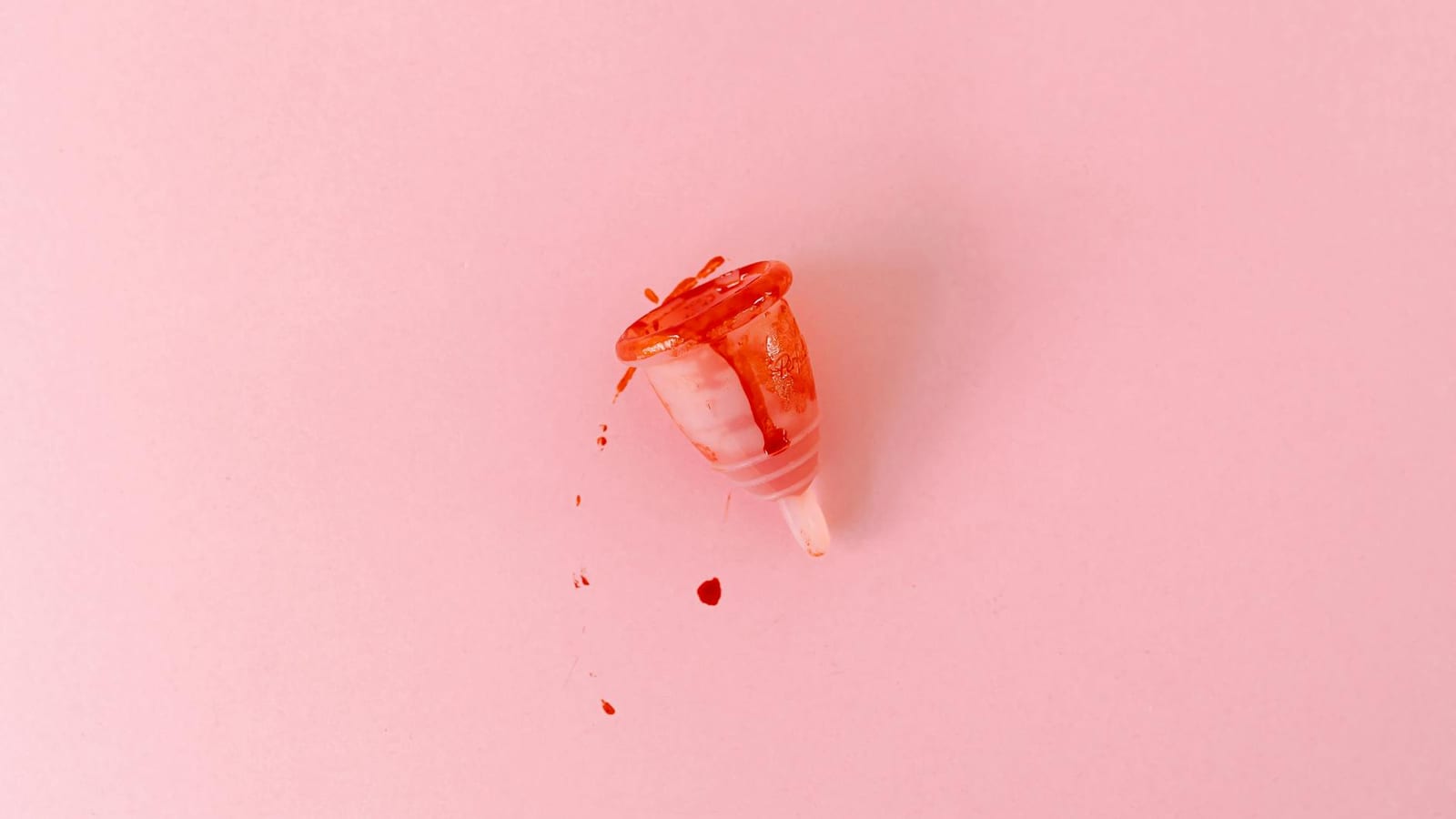
Five million menstrual cups is not just a production target. For many women, it can mean fewer monthly expenses, less waste, and one less awkward pharmacy purchase.
HLL Lifecare, the public sector healthcare company under the Union Health Ministry, has raised its annual menstrual cup capacity to 50 lakh units for 2026-27. The push comes from its upgraded unit at Akkulam in Thiruvananthapuram.
That sounds like a factory story at first. It is really a public health story, with money, dignity, and waste sitting quietly inside it.
HLL scales up menstrual cups
Union Health Secretary Punya Salila Srivastava inaugurated the upgraded menstrual cup unit at HLL’s Akkulam factory. The company says the modernised facility will help it distribute more cups across India next year.
The move fits a wider shift in menstrual health. For years, the conversation stayed stuck around sanitary pads. Pads remain useful and familiar, but they also cost money every month and create hard-to-manage waste.
A menstrual cup works differently. It is a small reusable cup, usually made of medical-grade silicone, that collects menstrual blood. A user empties, washes, and reuses it.
HLL says its Thinkal cups use FDA-approved medical-grade silicone. That matters because any product used inside the body must meet a high safety bar. Comfort, hygiene, and correct use also matter just as much.
Free cups through Thinkal
The company will distribute free cups through Thinkal, its corporate social responsibility programme. HLL Management Academy, the company’s education and health training arm, runs the project.
Dr Krishna S.H., public health projects manager at HLL Management Academy, said the programme aims to support menstrual health, cut monthly costs, and reduce sanitary napkin waste.
HLL has already distributed 15 lakh Thinkal cups across Kerala, Tamil Nadu, Karnataka, Maharashtra, Gujarat, Haryana, Himachal Pradesh, Jharkhand, Telangana, Lakshadweep, and Andaman and Nicobar Islands.
Kerala has received the largest share so far. Dr Krishna said the state will remain a priority in this year’s distribution too.
That is understandable. Kerala has often moved faster on public health adoption than many other states. But the harder test lies elsewhere, in places where stigma remains stronger and health workers have less time.
Training matters as much
HLL is not just handing out cups and walking away. HLL Management Academy also conducts awareness sessions for women on how to use them correctly.
This part is crucial. A menstrual cup can sound simple on paper, but first-time users need practical guidance. They need to know insertion, removal, cleaning, storage, and when not to use one without medical advice.
Many women may also face family resistance or personal fear. Menstrual products in India still carry silence and shame. A new product can trigger questions that people hesitate to ask aloud.
That is why counselling matters. A cup sitting unused in a cupboard changes nothing. A woman who understands it, trusts it, and can use it safely may see a real difference.
Health workers and trainers will have to explain one point clearly. Menstrual cups are not compulsory, and they are not suitable for every person in every situation. Choice should sit at the centre of menstrual health.
The waste problem is real
India generates an estimated 12.3 billion used sanitary pads every year. Many contain plastic layers and do not break down easily.
For municipalities, this becomes a messy waste problem. For households, it becomes a disposal problem. For women, it often becomes a privacy problem.
A reusable cup can last for years if maintained well. That can save money for women who now buy pads every month. For a student, worker, or homemaker, even small monthly savings add up.
Still, adoption will not happen by slogan. Cups need clean water, privacy, and safe storage. These basics remain uneven across India.
That is the uncomfortable part of the story. A product may be good, but the setting decides whether it works. A woman in a crowded home or hostel may face a very different reality from someone with a private bathroom.
A wider product push
HLL also sells menstrual cups under the Velvet and Cool Cup brands. It continues to make sanitary napkins under Happy Days, Freedays, and Sakhi. The company says Happy Days is biodegradable.
This mixed product line is sensible. India does not need one menstrual product to defeat all others. It needs safe options, honest information, and products that fit different lives.
HLL is already known for its family planning and reproductive health products. Its portfolio includes condoms, Copper-T devices, contraceptive pills, and emergency contraceptive pills. Menstrual cups sit within that broader public health space.
The scale-up also says something about Indian manufacturing. A government-owned company is trying to expand a product that is both medical and consumer-facing. That is not always easy.
Quality control will matter now. If the company wants trust, every cup must feel safe, consistent, and well explained. One bad experience can travel fast in a community.
For ordinary readers, the practical takeaway is simple. Menstrual cups are becoming more available, including through free distribution in some areas. They can reduce monthly spending and waste, but they require correct use and comfort with the method. The next step is not just producing 50 lakh cups. It is making sure women get the information, privacy, and confidence to decide for themselves.
This article is for informational purposes only and does not substitute medical advice. Consult a qualified physician for any health concern.
This article is for informational purposes only and does not substitute medical advice. Consult a qualified physician for any health concern.