HLL Lifecare Adds Capacity for 50 Lakh Menstrual Cups
HLL Lifecare has upgraded its Akkulam factory to make 50 lakh menstrual cups a year, aiming to widen affordable menstrual hygiene access.
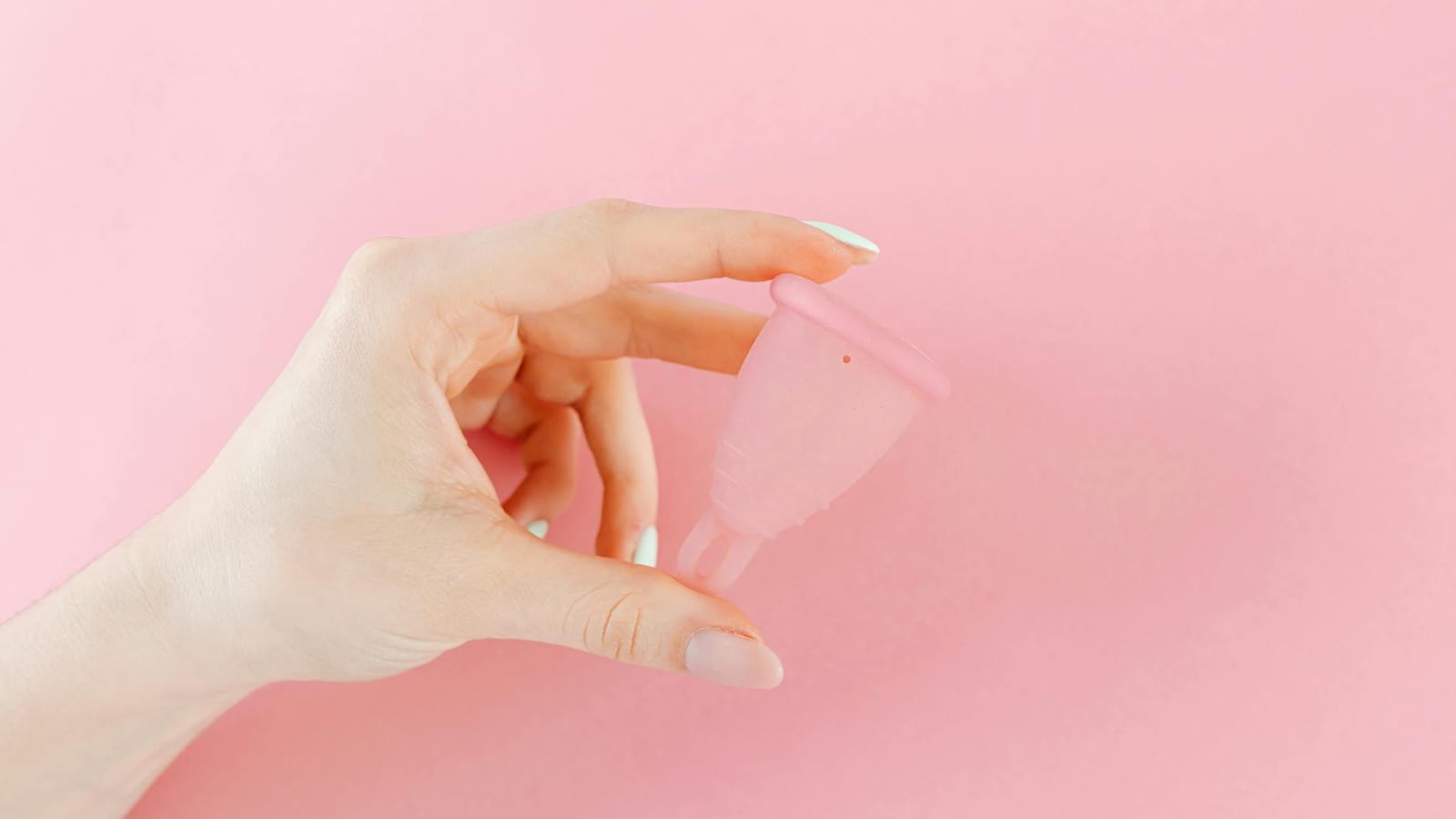
Five million small silicone cups may not sound like a public health story at first.
But for many women, especially those watching every monthly expense, that number matters. It could mean fewer pharmacy bills, less menstrual waste, and fewer awkward silences around a basic health need.
HLL Lifecare has raised its annual menstrual cup production capacity to 50 lakh units. The public sector health company has upgraded its Akkulam factory in Thiruvananthapuram for this push.
Akkulam gets a bigger role
The upgraded unit was opened by Punya Salila Srivastava, Secretary in the Union Health Ministry. HLL Chairperson and Managing Director Dr Anita Thampi was also present.
The company says the move will help it supply more menstrual cups across India in 2026-27. That is not just a factory story. It is also about whether public health products can reach women before private market prices do.
The larger point is simple. Menstrual hygiene still sits at the meeting point of health, money, shame, and waste. A product alone cannot fix all that. But supply matters when the product is useful, safe, and explained properly.
HLL’s expanded capacity also fits a wider government push for domestic manufacturing in healthcare. India often talks about making medicines and devices at home. Menstrual products rarely get the same attention, though they affect millions every month.
Free cups under Thinkal
The free distribution will happen through Thinkal, HLL’s corporate social responsibility programme. HLL Management Academy runs the project for the company.
Dr Krishna S H, public health projects manager at HLL Management Academy, said the project aims to improve menstrual health and reduce recurring costs for women. She also linked it to cutting sanitary napkin waste.
The programme has already distributed 15 lakh Thinkal cups across several states and Union territories. These include Kerala, Tamil Nadu, Karnataka, Maharashtra, Gujarat, Haryana, Himachal Pradesh, Jharkhand, Telangana, Lakshadweep, and Andaman and Nicobar Islands.
Kerala has received the largest share so far. Dr Krishna said Kerala will remain a priority this year too.
That matters because adoption is rarely even across India. In many places, women may hear about menstrual cups but hesitate to try them. Some worry about safety. Some face family resistance. Others simply do not know how to use one.
This is where HLL’s training sessions become important. HLL Management Academy is not only handing out cups. It is also teaching women how to insert, remove, clean, and store them correctly.
Why training matters most
A menstrual cup is a reusable device that collects menstrual blood. It does not absorb blood like a pad or tampon. Most cups are folded, inserted into the vagina, emptied after some hours, washed, and reused.
That sounds simple on paper. In real life, many first-time users need guidance. Wrong size, poor insertion, or lack of confidence can make the first experience uncomfortable.
This is why awareness classes may decide the success of the project. In public health, the product often gets the headline. The counselling quietly decides whether people keep using it.
The source material says Thinkal cups use FDA-approved medical-grade silicone. Medical-grade silicone is a flexible material used in many health products because it can be cleaned and reused safely when handled properly.
Still, “safe” should never mean “careless”. Women with recurrent infections, recent childbirth, pelvic pain, or doubts about use should speak to a qualified doctor. Public health campaigns work best when they give confidence without pushing women past their comfort.
There is also a cultural barrier. Menstrual products that require insertion can face more hesitation in conservative households. That does not make women uninformed. It means health messaging must be patient, private, and respectful.
Waste and wallet both count
India produces about 12.3 billion sanitary pad pieces as waste each year, according to figures cited in the project material. That is a massive disposal problem.
Most disposable pads contain plastic layers. They do not disappear quickly after use. They often end up in landfills, drains, or informal waste systems where sanitation workers bear the burden.
A reusable menstrual cup can last for years if maintained well. That reduces monthly spending and cuts down waste. For a student, daily wage worker, or homemaker, even a small monthly saving can matter.
But the economics will only work if women receive a good product and proper follow-up. A free cup that sits unused in a drawer helps nobody. A well-explained cup can change a monthly routine for years.
HLL also sells menstrual cups under the Velvet and Cool Cup brands. It continues to make sanitary napkins under brands such as Happy Days, Freedays, and Sakhi. Happy Days is described as biodegradable.
That mix shows the reality of menstrual health in India. No single product will suit every woman. Pads, cups, and other options will all remain part of the market.
The better question is whether women get real choice. Choice means correct information, affordable access, and freedom from embarrassment. It also means not treating menstrual health as a side issue.
HLL’s expanded production gives India a chance to treat menstrual care like routine public health infrastructure. The test now lies outside the factory. It lies in classrooms, clinics, panchayat halls, and homes where women decide what works for them.
This article is for informational purposes only and does not substitute medical advice. Consult a qualified physician for any health concern.
This article is for informational purposes only and does not substitute medical advice. Consult a qualified physician for any health concern.