HLL Lifecare scales menstrual cup capacity in India
HLL Lifecare has expanded its Thiruvananthapuram unit to make 50 lakh menstrual cups a year, aiming to widen affordable period care access.
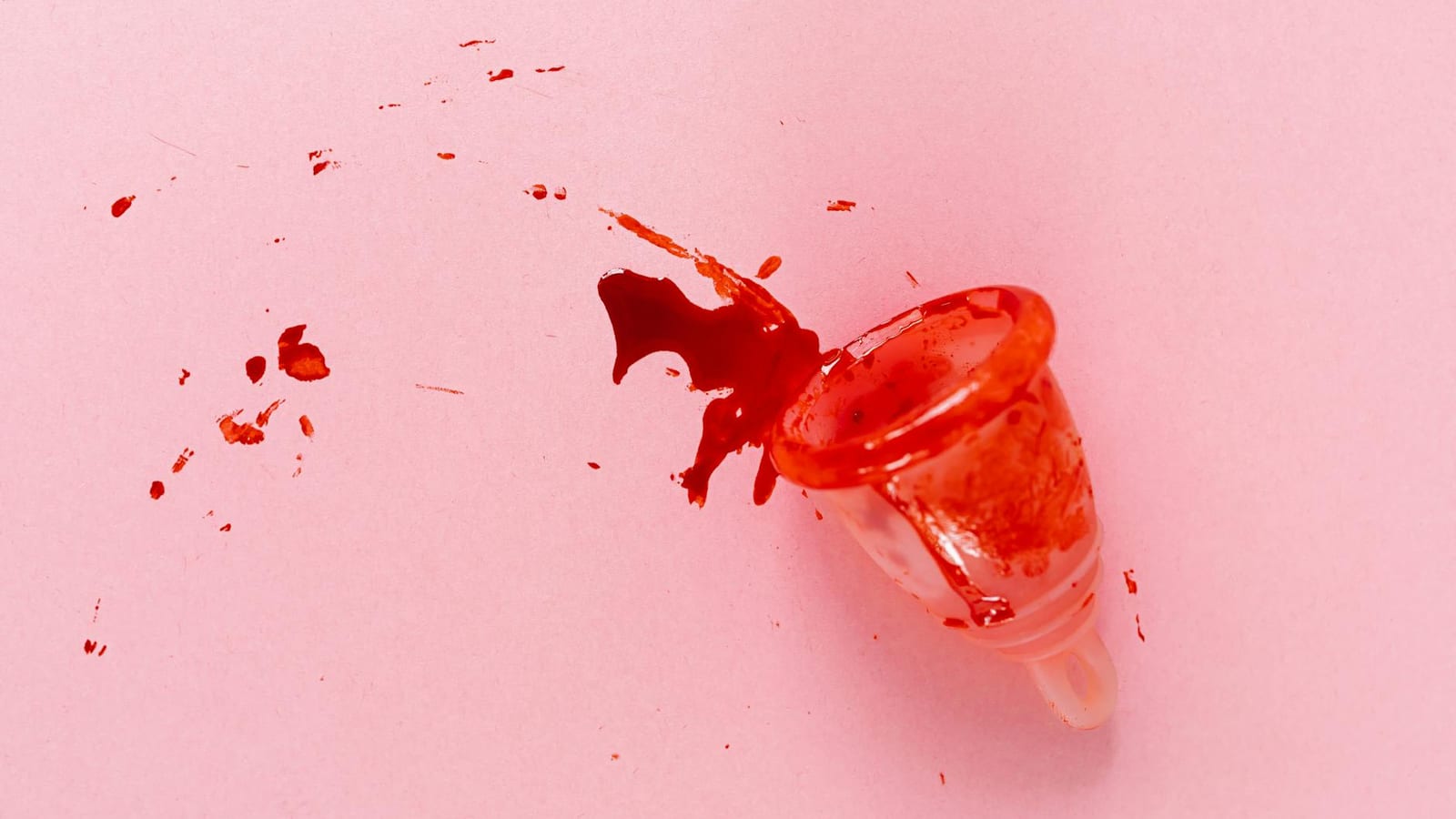
A small silicone cup can change a monthly budget more than many people realise.
For a student in a hostel, a factory worker on a tight salary, or a woman in a small town where period products still carry shame, the cost adds up quietly. Pads are bought, used, wrapped, thrown away, and bought again.
Now HLL Lifecare wants to push a different habit at scale. The central public sector company has raised its annual menstrual cup capacity to 50 lakh units, with an eye on wider distribution in 2026-27.
HLL expands cup production
The company has upgraded its menstrual cup unit at Akkulam in Thiruvananthapuram. Union Health Ministry Secretary Punya Salila Srivastava inaugurated the revamped facility.
HLL said the move supports two goals at once. It wants to improve menstrual health access, and it wants India to make more of these products at home.
That second point matters more than it first appears. Menstrual health is not only a medical issue. It is also a supply issue, a price issue, and a dignity issue.
When production stays limited, cups remain a niche urban product. When a public sector manufacturer scales up, cups can move into schools, panchayats, health camps, and poorer households.
HLL has linked the expansion to the 2026-27 financial year. Higher output should help the company supply more cups across India, especially through public programmes.
Thinkal takes the free route
A large part of this push will run through Thinkal, HLL’s corporate social responsibility programme. HLL Management Academy, the company’s education and health arm, implements the initiative.
Under Thinkal, women receive menstrual cups free of cost. HLL also conducts awareness classes on how to use them correctly.
That training part is crucial. A menstrual cup is not like a pad, which most users understand quickly. It has to be folded, inserted, removed, washed, and reused with care.
A cup sits inside the vagina and collects menstrual blood. It does not absorb blood like a pad or tampon. Used properly, it can last for years.
But the phrase “used properly” does a lot of work here. Many first-time users feel nervous. Some face family resistance. Others worry about pain, hygiene, or myths around virginity.
Dr Krishna S H, public health projects manager at HLL Management Academy, said the project aims to support menstrual health, reduce monthly spending, and cut waste from sanitary napkins.
HLL has already distributed 15 lakh Thinkal cups, the company said. The programme has reached Kerala, Tamil Nadu, Karnataka, Maharashtra, Gujarat, Haryana, Himachal Pradesh, Jharkhand, Telangana, Lakshadweep, and the Andaman and Nicobar Islands.
Most cups have gone to Kerala so far. Dr Krishna said Kerala will remain a priority in this year’s distribution too.
Why waste has entered the debate
The environmental argument is now hard to ignore. India generates an estimated 12.3 billion sanitary pad waste pieces every year, HLL said.
That number sounds abstract until you picture what happens after use. Many pads contain plastic layers. They do not vanish quickly after disposal.
In cities, the waste enters an already stressed garbage system. In villages, women may burn or bury used pads because formal disposal is weak.
This is where menstrual cups offer a practical alternative. One reusable cup can replace hundreds of pads over its life.
That does not mean cups suit everyone. Some users may find insertion difficult. Women with certain medical conditions may need a doctor’s guidance. Cultural discomfort also cannot be wished away.
Health communication has to respect that. Pushing a product without patient explanation can backfire. HLL’s awareness classes, therefore, may matter as much as the factory upgrade.
The company says Thinkal cups use FDA-approved medical-grade silicone. In plain language, that means a type of silicone used for medical products, not ordinary plastic.
Medical-grade silicone is flexible, washable, and designed for contact with the body. But safety still depends on clean handling, correct storage, and comfort with use.
Menstrual health meets public policy
India has treated menstrual hygiene mostly as a pad distribution story for years. That made sense at one stage. Pads were familiar, easy to distribute, and simple to explain.
But the next phase needs more choice. A schoolgirl, an office worker, a woman doing daily wage work, and a new mother may not need the same product.
HLL’s own product basket shows this shift. Apart from free Thinkal cups, it sells menstrual cups under Velvet and Cool Cup. It also makes sanitary napkins under Happy Days, Freedays, and Sakhi.
Happy Days is a biodegradable sanitary napkin, the company said. That matters because not every user will move to cups.
The better public health approach is not to shame pad users. It is to offer safe, affordable options, then explain them clearly.
HLL also has a longer history in reproductive health. Its portfolio includes condom brands such as Moods, Ustad, and Nirodh, Copper-T products, oral contraceptives, and emergency pills.
That background gives the company reach inside public health systems. It also gives it responsibility. Menstrual cup adoption needs trust, privacy, and careful counselling.
Local bodies, government systems, and other public sector firms are helping implement the programme. That network can make the difference between a product launch and real behavioural change.
The real test is adoption
Production numbers make headlines, but adoption decides impact. A cup kept unused in a cupboard changes nothing.
For many women, the first barrier is not money. It is fear. The second barrier is silence. Menstruation still sits inside a thick layer of embarrassment in many homes.
That is why community sessions matter. Women need space to ask basic questions without judgment. They need clear answers on cleaning, insertion, leaks, cramps, and when to stop using a cup.
The benefits can be meaningful. A reusable cup can lower monthly spending. It can reduce dependence on shops. It can help during travel, exams, long shifts, or areas with weak waste disposal.
Still, public health programmes must avoid one-size-fits-all messaging. A product can be useful without being perfect for everyone.
HLL’s expanded capacity gives India a chance to treat menstrual health with more seriousness. Not as charity, not as token women’s welfare, but as everyday health infrastructure.
If the rollout stays patient, practical, and honest, the biggest change may happen quietly. Fewer women may have to choose between comfort, cost, and shame every month.
This article is for informational purposes only and does not substitute medical advice. Consult a qualified physician for any health concern.
This article is for informational purposes only and does not substitute medical advice. Consult a qualified physician for any health concern.