Hyderabad Patient Gets Robot Surgery From Wuhan Via 5G
An Indian urologist in Wuhan used 5G-linked robotic arms to perform a 90-minute ureter reimplantation on a patient in Hyderabad.
A surgeon in Wuhan moved his hands. In Hyderabad, robotic arms followed.
That simple line carries a lot of weight for Indian patients. Dr Syed Mohammad Ghaus, an Indian urologist working in China, performed a 90-minute remote robotic surgery on a patient nearly 3,000 km away in Hyderabad.
The patient needed a ureter reimplantation. In plain English, doctors had to reconnect the tube that carries urine from the kidney to the bladder. It is delicate work, even when the surgeon stands beside the operating table.
A 3,000 km operating room
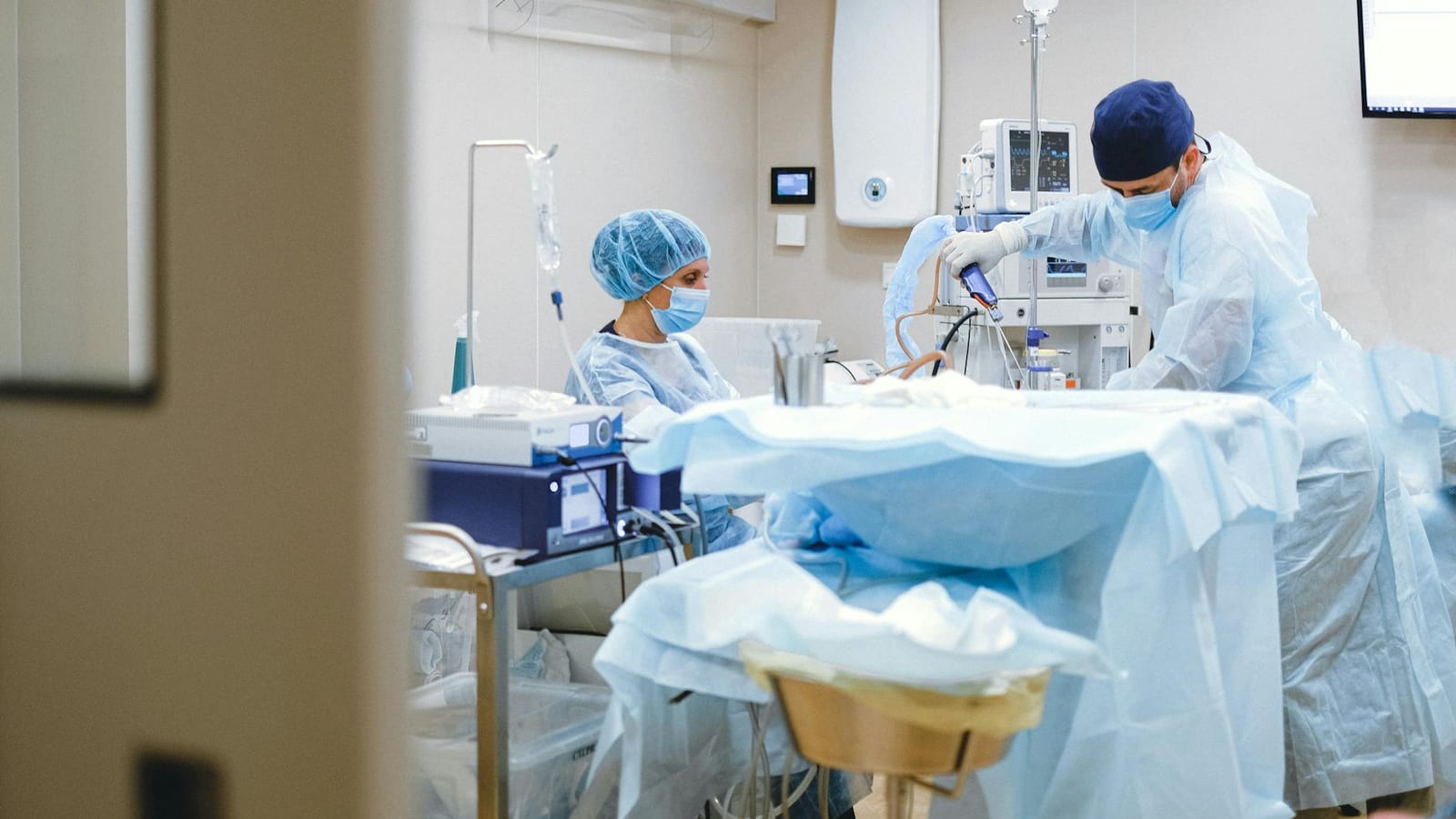
Ghaus sat at Tongji Hospital in Wuhan. The patient lay inside an operation theatre in Hyderabad, with a local medical team watching every second.
Yu Jing, spokesperson for the Chinese Embassy in India, said the procedure used Chinese robotic technology and ultra-fast 5G internet. She said the surgery took about 90 minutes.
Before the operation began, doctors in both cities reviewed the patient’s records online. They studied the surgical plan and mapped how the robotic arms would move.
The Hyderabad team gave anaesthesia and set up the instruments. They also stayed ready to take over if anything went wrong. That detail matters more than the headline technology.
How the robot followed the surgeon
Robotic surgery does not mean a machine makes medical decisions. The surgeon remains in control.
In this case, Ghaus used a console in Wuhan. The system sent high-definition 3D camera images from Hyderabad to him in real time. He watched the surgery on screen and moved hand controls.
The robotic arms in Hyderabad copied those movements. Surgical tools followed his instructions with small, controlled motions.
The reported delay was about 200 milliseconds. That is one-fifth of a second. For remote surgery, this gap matters because a surgeon must see, decide, and act without dangerous lag.
Think of it like video calling during a crucial cricket review. Even a small delay can confuse what happened. In surgery, that delay must stay predictable and tiny.
Why this matters for India
India has some excellent surgeons, but they are not spread evenly. Many patients still travel across states for specialist care.
A family in a smaller city may spend money on trains, hotels, tests, and lost wages before surgery even begins. For complex urology, cancer, heart, or brain procedures, that burden can be heavy.
Remote robotic surgery offers a tempting idea. Bring the surgeon’s skill to the patient, instead of moving the patient to the surgeon.
That does not mean every district hospital will get such systems next year. These machines cost a lot. They need trained staff, steady power, clean theatres, backup plans, and reliable internet.
India must also answer legal and safety questions. Who carries responsibility if a connection drops? Which medical council governs a surgeon operating across borders? How should consent forms explain these risks?
These are not small issues. Patients and families deserve plain answers before hospitals sell the dream.
The medical promise and caution
A ureter reimplantation needs precision because the urinary system is unforgiving. A poor connection can cause urine blockage, infection, pain, or kidney damage.
Robotic tools can help in such cases. They allow fine movements, better camera views, and smaller cuts in many operations. Smaller cuts can mean less pain and faster recovery for some patients.
But one successful procedure does not settle the debate. Doctors need larger data on safety, complications, recovery, and cost. They also need to know which patients benefit most.
Remote surgery adds another layer. The surgeon must trust the network, the machine, and the local team. The local team must know when to step in without delay.
This is why the Hyderabad doctors’ presence was essential. Remote surgery should never mean remote responsibility.
The next test is access
The technology story is exciting, no doubt. An Indian doctor in China operating on a patient in Hyderabad sounds like science fiction walking into an Indian hospital.
But the real test will come when the novelty fades. Can this model help patients outside rich urban hospitals? Can it reduce waiting time? Can it bring specialist care to places that lack senior surgeons?
For India, the lesson is clear. The future of surgery will not depend only on clever robots. It will depend on boring, vital systems, training, rules, pricing, and trust.
If those pieces fall into place, remote robotic surgery could become more than a headline. It could save families from long journeys at their most anxious moment. For now, it is a promising glimpse, not a finished answer.
This article is for informational purposes only and does not substitute medical advice. Consult a qualified physician for any health concern.
This article is for informational purposes only and does not substitute medical advice. Consult a qualified physician for any health concern.