Indian surgeon performs remote 5G surgery from China
An Indian urologist in Wuhan used 5G and robotic systems to operate on a Hyderabad patient, showing how remote surgery can widen specialist care.
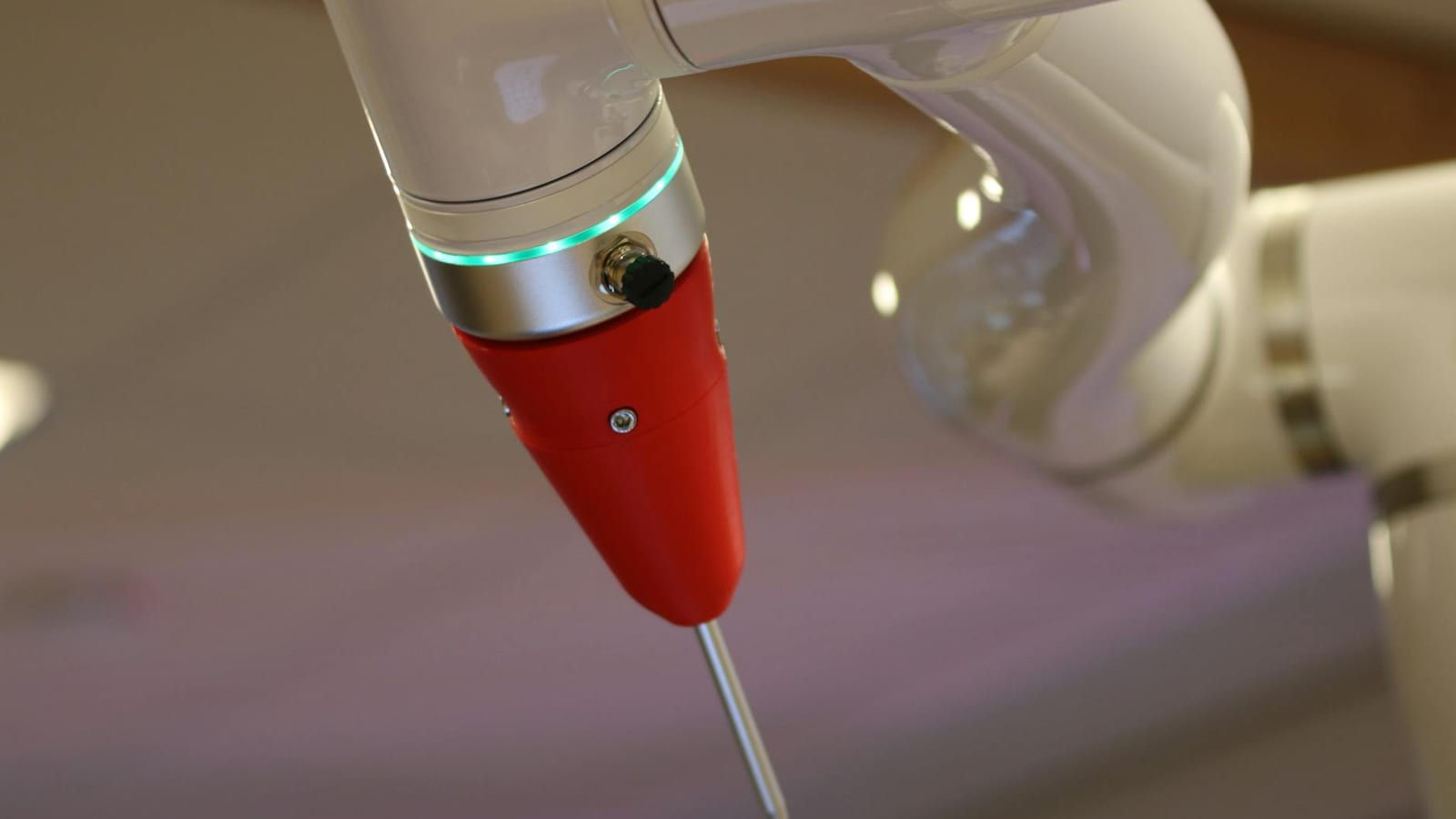
A surgeon sat in Wuhan. A patient lay on an operating table in Hyderabad. Between them stood 3,000 kilometres, a robot, and a 5G link.
That distance did not stop Dr Syed Mohammad Ghaus, an Indian urologist working in China, from carrying out a 90-minute robotic surgery on the patient in India.
For families who travel across cities for specialist care, this is the part that matters. The doctor did not travel. The patient did not cross borders. The skill moved through a network.
A surgery across 3,000 kilometres
The patient was in a hospital in Hyderabad. Dr Ghaus operated from Wuhan, where he used a surgical console at Tongji Hospital.
The procedure involved ureter reimplantation. The ureter is the tube that carries urine from the kidney to the bladder. In this surgery, doctors reconnect it to help urine drain properly.
Chinese Embassy spokesperson Yu Jing said on X that the operation used Chinese-developed robotics and 5G connectivity. She said the surgery took about 90 minutes.
That timing matters because surgery is not like sending an email. Every small hand movement must reach the robot quickly. Any delay can make fine surgical work risky.
The reported delay was about 200 milliseconds. That means the command took a fifth of a second to travel from Wuhan to Hyderabad. In a controlled setup, that can be short enough for precise work.
How the robot followed the surgeon
Before the operation, doctors in both cities reviewed the patient’s medical records online. They also mapped the movement path for the robotic arms.
The Hyderabad team gave anaesthesia and placed the robotic instruments in the operating theatre. They also remained ready to step in if something went wrong.
This local team is not a footnote. Remote surgery still needs doctors beside the patient. They manage anaesthesia, bleeding, equipment, and emergency decisions.
The robot carried surgical instruments and high-definition 3D cameras. These cameras sent live images to Dr Ghaus in Wuhan.
He watched the surgery in real time and moved controls at his console. The robotic arms in Hyderabad copied those hand movements inside the patient’s body.
Think of it as a very advanced extension of a surgeon’s hands. The robot does not “decide” the surgery. It follows the trained doctor’s movements, with great precision.
Why 5G matters in surgery
Remote surgery depends on three things. The image must be clear. The connection must stay stable. The delay must remain very low.
That is where 5G becomes relevant. It can carry large amounts of data quickly, including live 3D video. It can also reduce lag when the network is well managed.
But readers should keep their expectations grounded. A successful case does not mean remote robotic surgery can happen anywhere tomorrow.
Hospitals need expensive robotic systems, trained staff, reliable networks, backup plans, and strict safety rules. A dropped connection during a movie is irritating. During surgery, it can become dangerous.
This is why the Hyderabad doctors stayed inside the operating theatre. Good medicine always plans for failure before celebrating success.
For Indian patients, the promise is still powerful. A family in a smaller city often spends heavily to reach a specialist. Remote surgery could one day reduce that burden.
But it will not replace local hospitals. It will work only when local care teams, machines, and networks can support the specialist at the other end.
India’s healthcare gap gets a signal
India knows the specialist shortage very well. Top surgeons cluster in large cities. Patients from smaller towns often lose days, wages, and savings chasing appointments.
Remote robotic surgery offers one possible answer. A specialist could guide or perform complex procedures without being physically present.
That could help in urology, cancer care, heart surgery, and other fields where expert hands matter. But each field has different risks and rules.
India already uses telemedicine widely for consultations. A video call for fever is one thing. Operating inside a body from another country is another matter entirely.
Regulators will need clear answers. Who carries legal responsibility if something fails? Which country’s medical rules apply? How should patient consent explain network risk?
Hospitals will also need honest pricing. Robotic surgery can be costly. If remote care becomes a premium service only for wealthy patients, the larger public health benefit will stay limited.
The best version of this technology should help the patient who cannot reach a metro hospital easily. That is where it can change lives in a practical way.
The promise needs caution too
Doctors and health systems should treat this case as an early signal, not a finished revolution. One reported success can show what is possible. It cannot settle every safety question.
Clinical medicine moves slowly for a reason. Surgeons need repeated outcomes, complication data, patient recovery details, and independent review before a technique becomes routine.
The most useful question is not whether the surgery looked impressive. It is whether patients recover safely, consistently, and affordably.
That is the test every shiny medical technology must pass. Hospitals love machines. Patients need outcomes.
Still, this case deserves attention because it shifts the imagination. It shows that expertise may not always need to sit in the same room.
For an ordinary Indian family, that could someday mean less travel, quicker access, and fewer anxious nights outside a faraway hospital. The road from demonstration to daily care is long. But this operation has shown that the road exists.
This article is for informational purposes only and does not substitute medical advice. Consult a qualified physician for any health concern.
This article is for informational purposes only and does not substitute medical advice. Consult a qualified physician for any health concern.