Kerala steps up Ebola screening before any India case
Kerala has tightened Ebola preparedness at airports and hospitals after WHO alerts abroad, while officials stress India has no reported case.
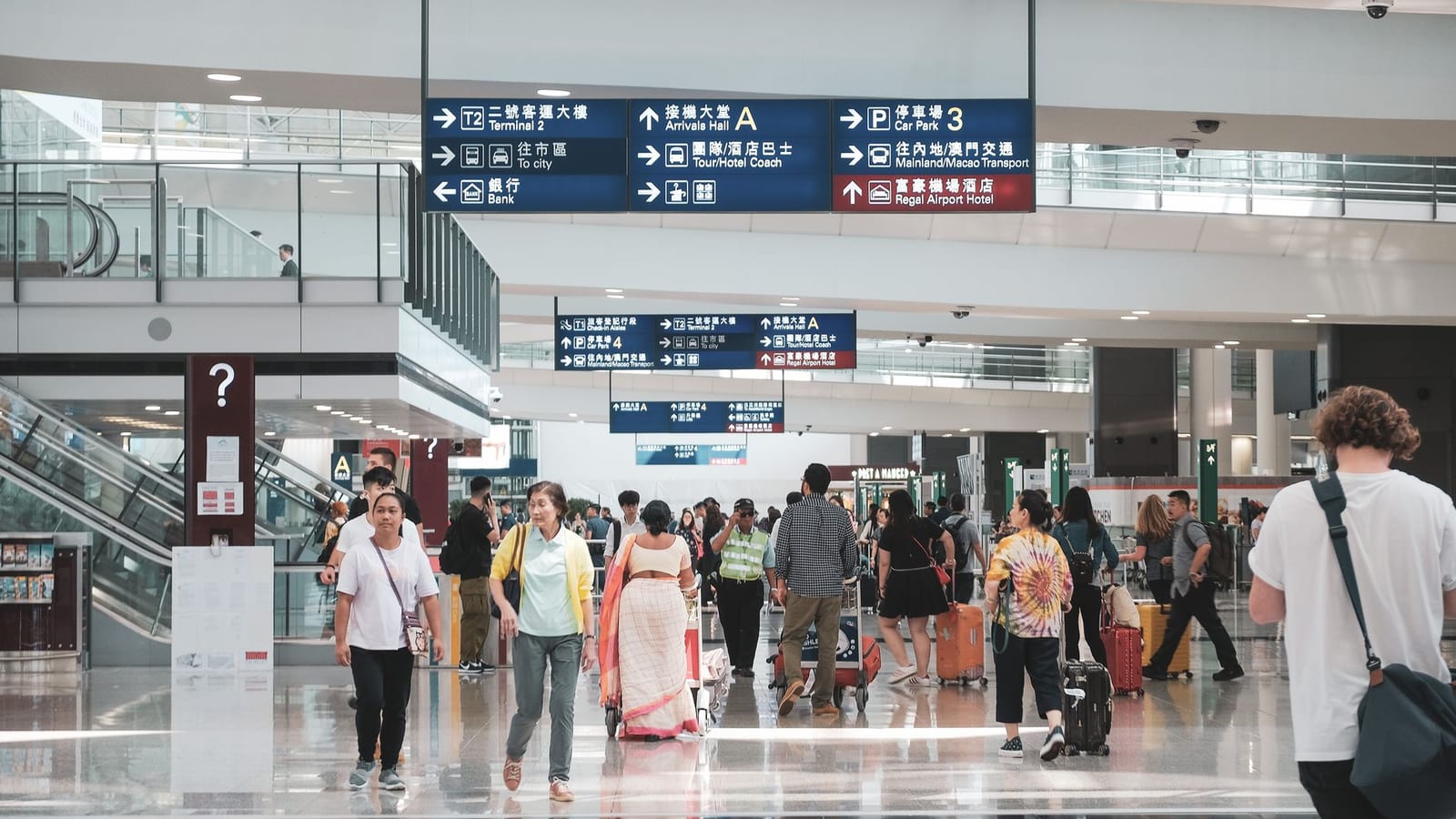
An airport fever desk rarely makes news when nothing has gone wrong. That is exactly the point.
Kerala has started tightening its Ebola watch even though India has not reported a case. The state health department says this is preparation, not panic.
The trigger is the World Health Organization alert over the Ebola situation in the Democratic Republic of Congo, Uganda, and South Sudan. For families with relatives abroad, and for airport staff meeting thousands of passengers daily, this is the kind of public health drill that matters before the first alarm bell rings.
Kerala moves before any case
The state rapid response team met under Health and Devaswom Minister K. Muralidharan to review Kerala’s readiness. Officials stressed that India has no reported Ebola case at present.
That distinction matters. Public health works best when it moves early, quietly, and without drama. Waiting for a confirmed case often means losing the most useful days.
Kerala has lived through Nipah, Covid, and repeated outbreaks that taught hospitals one hard lesson. The first response cannot begin after the first serious patient reaches casualty.
The department has now asked systems at airports, ports, district surveillance units, and medical colleges to work together. That sounds bureaucratic, but it is the backbone of outbreak control.
Travellers face tighter screening
The immediate focus is on travellers arriving from Ebola-affected countries. The state has named the Democratic Republic of Congo, Uganda, and South Sudan in its advisory.
Passengers from countries listed by the WHO and the central government may face monitoring for up to 21 days. That number is not random. Ebola symptoms can take that long to appear after exposure.
Travellers have been asked to report symptoms such as fever, tiredness, headache, muscle pain, vomiting, diarrhoea, sore throat, or bleeding. They must inform airport health teams if they had direct contact with a confirmed or suspected Ebola patient.
This does not mean every tired passenger will be treated like a patient. Long flights exhaust people. Viral fevers are common. The idea is to separate routine illness from real risk, quickly and calmly.
For ordinary passengers, the practical advice is simple. Do not hide symptoms. Do not self-medicate and rush home. If travel history and symptoms match, report early.
Why Ebola needs caution
Ebola scares people because it can turn severe fast. But fear alone does not stop outbreaks. Clear rules do.
WHO guidance describes Ebola as a viral disease that spreads through direct contact with body fluids of an infected person. Blood, vomit, stool, saliva, and other fluids can carry risk when a patient has symptoms.
That is why health workers face higher danger than the general public. A nurse inserting a line, a doctor handling bleeding, or a cleaner managing contaminated waste needs strict protection.
Ebola does not spread like a casual seasonal cold. Sitting near someone is not the same as handling infected fluids. This difference should shape public behaviour.
The state health department has asked officials to train staff in infection control, use of PPE kits, treatment protocols, and critical care. PPE means personal protective equipment, the gowns, gloves, masks, and face shields used to block infection.
Training matters because a kit is only as useful as the person wearing it. A small mistake while removing gloves can expose a worker. In outbreak medicine, the final step often carries the biggest risk.
Airports and ports prepare wards
Kerala has four international airports and two seaports in the plan. The health department says screening, isolation, and intensive care arrangements are being readied for travellers who need them.
Isolation does not mean punishment. It means keeping a possibly infected person away from others until doctors know more. In a disease like Ebola, that separation protects both the patient and the public.
The airport health units, port health teams, district disease surveillance teams, and medical colleges will coordinate under central government guidelines. That chain must work without confusion.
If one official identifies a suspected case, the next step should be clear. Who moves the patient? Which ambulance comes? Which hospital receives them? Which team traces contacts?
These are dull questions until the day they become urgent. Then they decide whether a city gets a scare or an outbreak.
For business travellers, students, seafarers, and families returning from Africa, the new checks may add inconvenience. But a few minutes at a health counter is cheaper than a missed infection.
Public calm is part of control
The health department has said people need not panic. That message deserves repeating, because outbreaks often produce two opposite mistakes.
Some people ignore warnings because no case has been found nearby. Others assume every traveller from Africa is a danger. Both reactions harm public health.
Good surveillance sits between these extremes. It watches high-risk travel routes, checks symptoms, protects medical workers, and avoids stigma.
Kerala’s earlier experience with infectious disease gives it an advantage. The state has district-level surveillance habits that many regions had to build during Covid. It also has a public that understands containment better than before.
Still, public memory can cut both ways. After years of pandemic fatigue, many people switch off when they hear another disease alert. That is understandable, but not wise.
The wiser response is boring and practical. Follow travel advice. Report symptoms honestly. Let doctors assess risk. Do not share rumours about airports, communities, or passengers.
For most Indians, this Ebola alert will remain distant. That is the hope. But the lesson is close to home. Public health is not only about hospitals saving lives after infection. It is also about quiet systems that stop infection from reaching the crowd in the first place. If Kerala’s preparations never face a real case, that will not make them wasteful. It will mean the state did the sensible thing while there was still time.
This article is for informational purposes only and does not substitute medical advice. Consult a qualified physician for any health concern.
This article is for informational purposes only and does not substitute medical advice. Consult a qualified physician for any health concern.