Kerala Steps Up Ebola Screening at Major Airports
Kerala has tightened airport checks and issued traveller guidance after WHO alerts on Ebola outbreaks in Congo and Uganda, though India has no case.
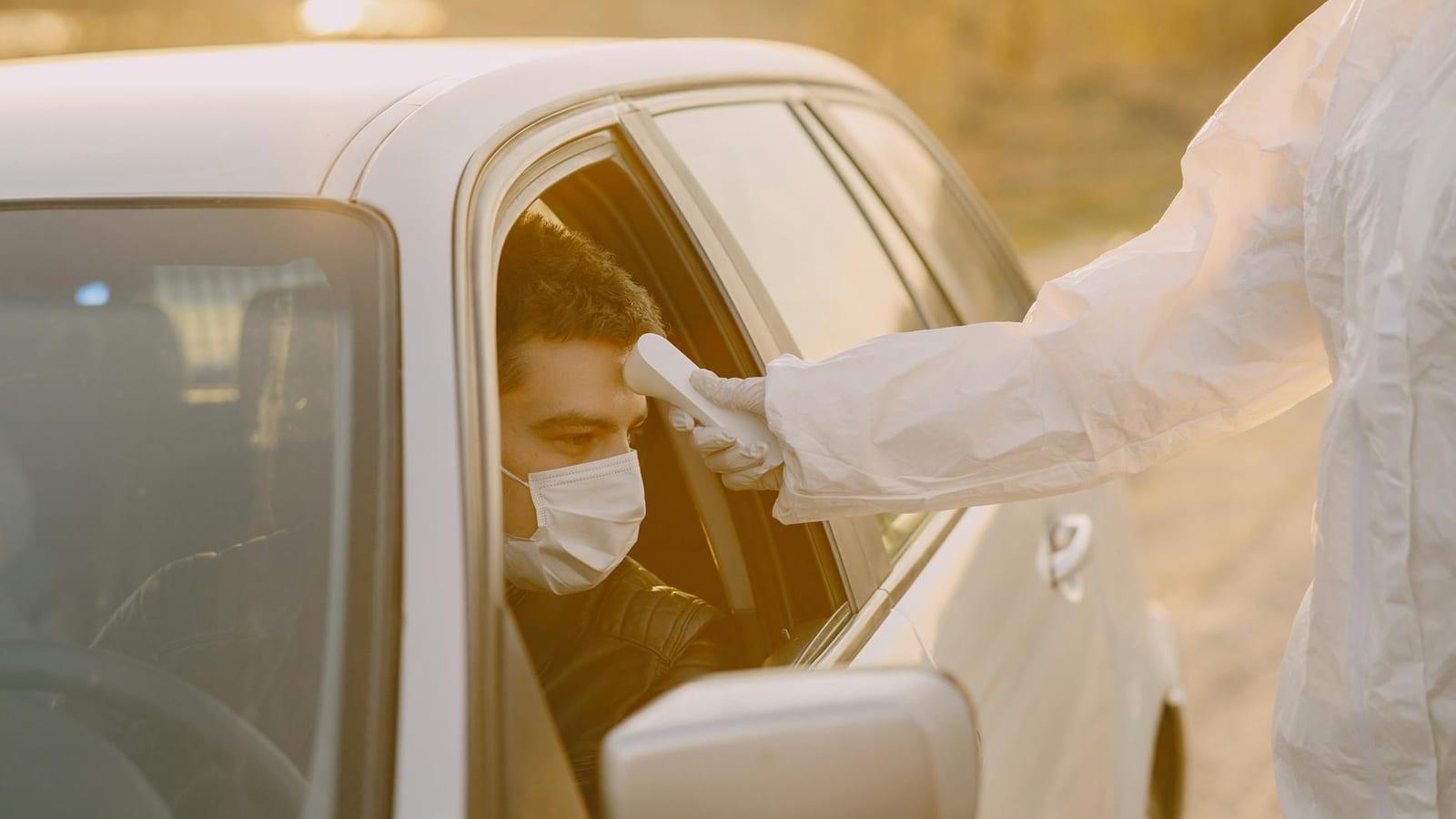
A fever at an airport counter can change the mood of an entire terminal.
That is why Kerala has begun tightening its Ebola watch, even though India has not reported a case. The state health department wants the system ready before panic gets a chance.
The trigger is the World Health Organization alert on the Ebola outbreak in the Democratic Republic of Congo and Uganda. For Kerala, with its busy airports and global travel links, that means preparing quietly, early, and visibly.
Kerala activates airport checks
State Health Minister K. Muralidharan chaired a rapid response meeting in Thiruvananthapuram to review Ebola preparedness. Officials stressed one point clearly. There is no confirmed Ebola case in India right now.
That matters because public health alerts often travel faster than disease. A single message in a family WhatsApp group can create more fear than facts. Kerala’s official line, for now, is simple. Stay alert, but do not panic.
The state has asked travellers arriving from affected African countries to follow special instructions. Anyone with fever, tiredness, headache, muscle pain, vomiting, diarrhoea, sore throat, or bleeding must report to airport health teams.
The same rule applies to people who had direct contact with a confirmed or suspected Ebola patient. In Ebola control, contact history matters as much as symptoms. A person may feel fine for days before illness appears.
Why 21 days matter
Kerala plans to observe certain travellers for up to 21 days, based on central and WHO guidance. That number is not random. Ebola symptoms usually appear within 2 to 21 days after exposure.
Think of it like a watch period. If someone has travelled from a risk area, health teams need time to check whether symptoms develop. This does not mean every traveller is sick. It means the state wants early warning.
Ebola spreads mainly through direct contact with blood or body fluids from an infected person. It can also spread through contaminated items, especially in care settings. It does not spread like a common cold through casual passing contact.
That is why hospitals worry about protective gear, gloves, gowns, masks, and safe waste handling. For a nurse, doctor, airport health worker, or ambulance staffer, small mistakes can carry real risk.
The current outbreak involves the Bundibugyo type of Ebola virus, according to WHO updates. This type has caused outbreaks before, but it has fewer approved medical tools than some better-known Ebola strains. That is another reason officials are taking no chances.
Airports and ports get ready
Kerala has four international airports and two seaports in the preparedness net. The health department says screening and isolation arrangements are being lined up at these entry points.
For ordinary passengers, this may mean extra questions at arrival. It may mean a health desk looking more closely at travel history. In some cases, it could mean being guided to medical evaluation instead of heading straight home.
That process can feel inconvenient after a long flight. But public health depends on such small interruptions. A missed case at an airport can become a hospital case, then a family case, then a community worry.
The state says airport and port health teams will coordinate with district disease surveillance units and medical colleges. This chain matters. Screening is only the first step. Follow-up decides whether the system works.
If a traveller needs isolation, hospitals must move quickly. Isolation does not mean punishment. It means keeping a possible infection away from others while doctors assess the person properly.
Hospitals train for the worst
The health minister has directed staff training in infection control, PPE use, treatment protocols, and intensive care. PPE means personal protective equipment. In plain English, it is the gear that protects health workers from infection.
Ebola care can become physically and emotionally draining. Health workers must dress correctly, remove protective gear safely, clean surfaces, manage fluids, and monitor patients closely. One hurried move can create danger.
Medical colleges will play a key role because Ebola patients can need intensive care. Severe illness may cause dehydration, bleeding, organ stress, and shock. Treatment often focuses on fluids, oxygen, blood pressure support, and managing complications.
There is another human side here. Families may not understand why they cannot freely meet a sick relative. Doctors then have to treat both the patient and the fear around the patient. Clear communication becomes part of care.
Kerala has handled health scares before, including Nipah. That experience gives the state useful muscle memory. But Ebola is different in spread, severity, and global concern. Officials cannot simply copy an old playbook.
No panic, but no complacency
The most sensible line right now sits between fear and laziness. India has no reported Ebola case. Kerala is not facing a local outbreak. Yet travel can shrink distance very quickly.
For young professionals flying back from overseas projects, seafarers, students, and families with relatives abroad, the advice is practical. Report symptoms early. Share travel history honestly. Do not hide exposure because you fear isolation.
For hospitals, the test is discipline. Protective gear must be available before a suspected patient arrives. Staff must know their roles before the first alarm. Ambulance teams, labs, and district officers must speak the same language.
For the public, the message is even simpler. Ebola is serious, but it is not magic. It follows known routes of spread. Good surveillance, quick reporting, and careful hospital practice can break those routes.
Kerala’s move is less about today’s danger and more about tomorrow’s readiness. Public health often works best when nothing dramatic happens. If airport checks feel boring, if observation passes quietly, if hospitals never need the full protocol, that would be the best possible outcome for ordinary people.
This article is for informational purposes only and does not substitute medical advice. Consult a qualified physician for any health concern.
This article is for informational purposes only and does not substitute medical advice. Consult a qualified physician for any health concern.