Poor Sleep Linked To Higher Cancer Risk In Under-50s
A US study of 18 million adults links insomnia and poor sleep to higher five-year cancer risk among people aged 18 to 50, including bowel and breast
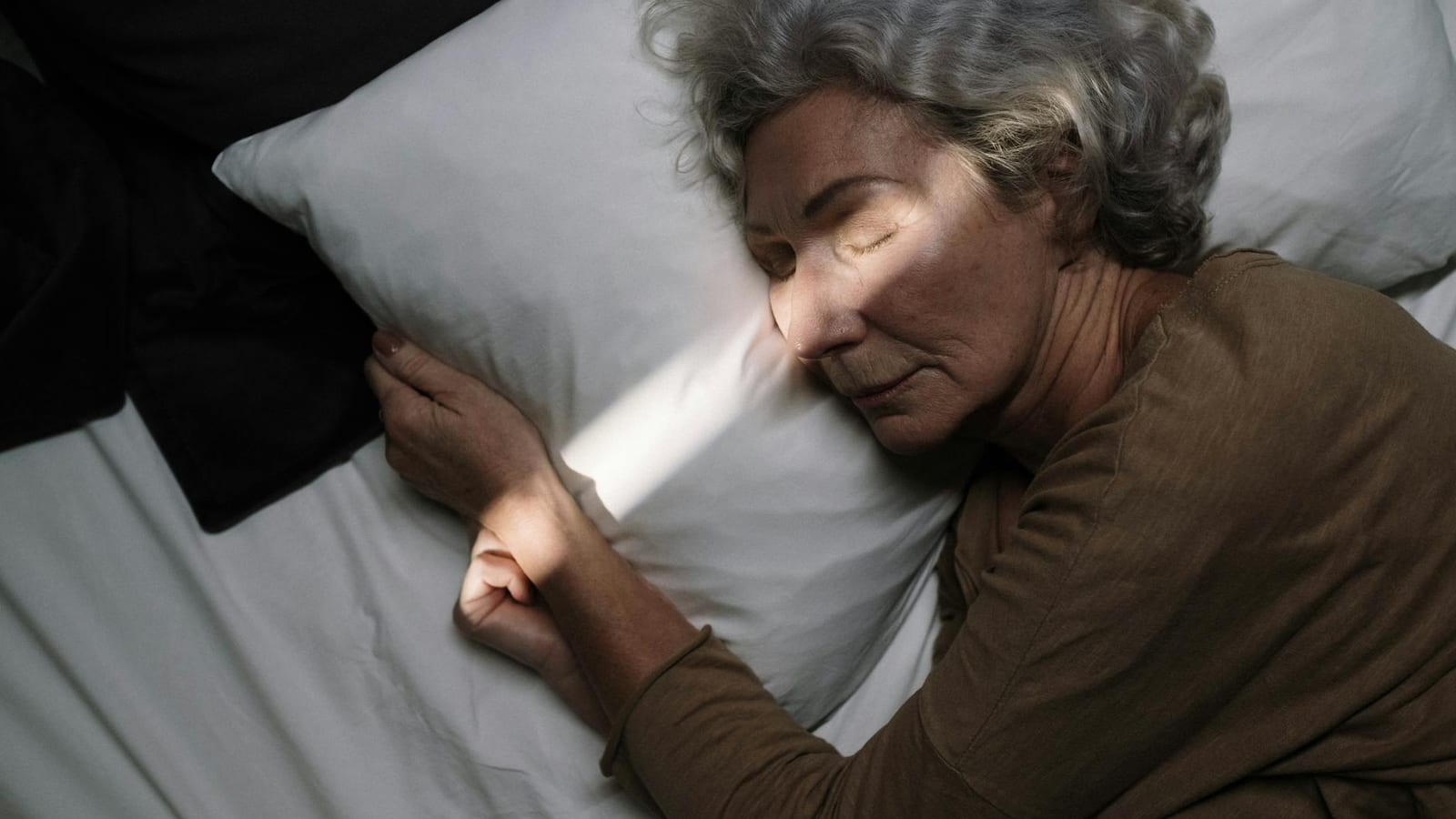
Sleep is now sitting in the cancer conversation, and not as a lifestyle footnote.
A large study from the United States has linked poor sleep with higher cancer risk among adults below 50. For young Indians who treat late nights as normal, that should feel uncomfortably close.
This does not mean one bad week of sleep causes cancer. But it does suggest that chronic sleep loss may be part of a bigger health pattern we can no longer ignore.
A sleep warning for under-50s
Researchers from MD Anderson Cancer Center examined health records of 18 million adults aged 18 to 50 in the United States. They presented the findings at the annual meeting of the American Society of Clinical Oncology in Chicago.
The team found that adults with insomnia or poor sleep had a higher chance of developing cancer within five years. The reported risk was about three times higher among those with sleep deprivation.
The cancers linked with poor sleep included bowel cancer, breast cancer, uterine cancer, and ovarian cancer. These are not rare, distant illnesses anymore. Many families now know someone diagnosed in their 30s or 40s.
What the cancer study found
The study matters because of its size. Researchers did not look at a few hundred volunteers. They studied millions of health records, which gives the findings weight.
Still, this was an observational study. That means researchers found a link, not a final cause. Poor sleep may raise cancer risk directly, or it may travel with other risks.
For example, people who sleep badly may also drink more, smoke, exercise less, or gain weight. These habits can raise cancer risk on their own. Researchers said more work is needed to understand the exact connection.
That caution matters. Health news often runs faster than science. A good rule is simple: treat this as an early warning, not a final verdict.
Why poor sleep may matter
Sleep is not just rest. Your body uses those hours to repair cells, balance hormones, and reset the immune system. The immune system is the body’s defence force.
When sleep breaks down for months or years, that defence may weaken. Researchers said this could make the body less effective at spotting abnormal cells early.
There is also the hormone angle. Poor sleep can disturb body clocks and hormone cycles. That may matter for cancers linked to breast, uterus, and ovaries.
Then comes daily behaviour. A tired person often eats worse, moves less, and reaches for caffeine or alcohol. Over time, those choices quietly add pressure on the body.
Early cancers are rising
The study also points to a wider worry. Researchers cited data showing that cancer cases among younger adults have risen sharply over three decades.
Cases rose from 1.82 million in 1990 to 3.26 million in 2019. That is an increase of nearly 80 percent. Deaths among younger adults also rose by about 27 percent.
This shift has puzzled cancer doctors across countries. Better testing may explain part of the rise. But it cannot explain everything.
Modern life has changed fast. People sit longer, sleep later, eat more processed food, and carry more stress. Cancer usually grows over years, so today’s diagnosis may reflect yesterday’s habits.
What young Indians should change
For Indian readers, the message is not to panic. It is to stop treating sleep as optional. A night shift worker, a startup employee, or a parent with a small child may not control every hour. But small routines still matter.
Doctors usually advise adults to aim for seven to nine hours of sleep. The exact number varies, but regular timing helps. The body likes rhythm more than heroic weekend recovery.
Light matters too. Bright screens close to bedtime can delay melatonin, the hormone that helps sleep begin. Cutting phone use 45 minutes before bed is a practical start.
Caffeine also lingers. Tea, coffee, cola, and energy drinks can disturb sleep when taken late. For many people, stopping caffeine after evening is enough to improve sleep quality.
Dinner timing helps as well. Heavy, oily, spicy meals close to bedtime can trigger acidity and break sleep. A lighter dinner, finished a couple of hours before bed, usually works better.
None of this replaces screening, vaccination, or medical care. Women still need age-appropriate checks. People with bowel symptoms, unusual bleeding, lumps, or unexplained weight loss should see a doctor early.
The deeper lesson is less glamorous than any miracle cure. Sleep is basic maintenance. If future research confirms this link, many young adults may have to rethink success itself. A good career, a growing business, and a busy family life mean little if the body never gets time to repair.
This article is for informational purposes only and does not substitute medical advice. Consult a qualified physician for any health concern.
This article is for informational purposes only and does not substitute medical advice. Consult a qualified physician for any health concern.