Poor Sleep Linked To Higher Cancer Risk In Under-50s
A large MD Anderson study links poor sleep to higher odds of bowel, breast, uterine and ovarian cancers in adults under 50, though causality is unproven.
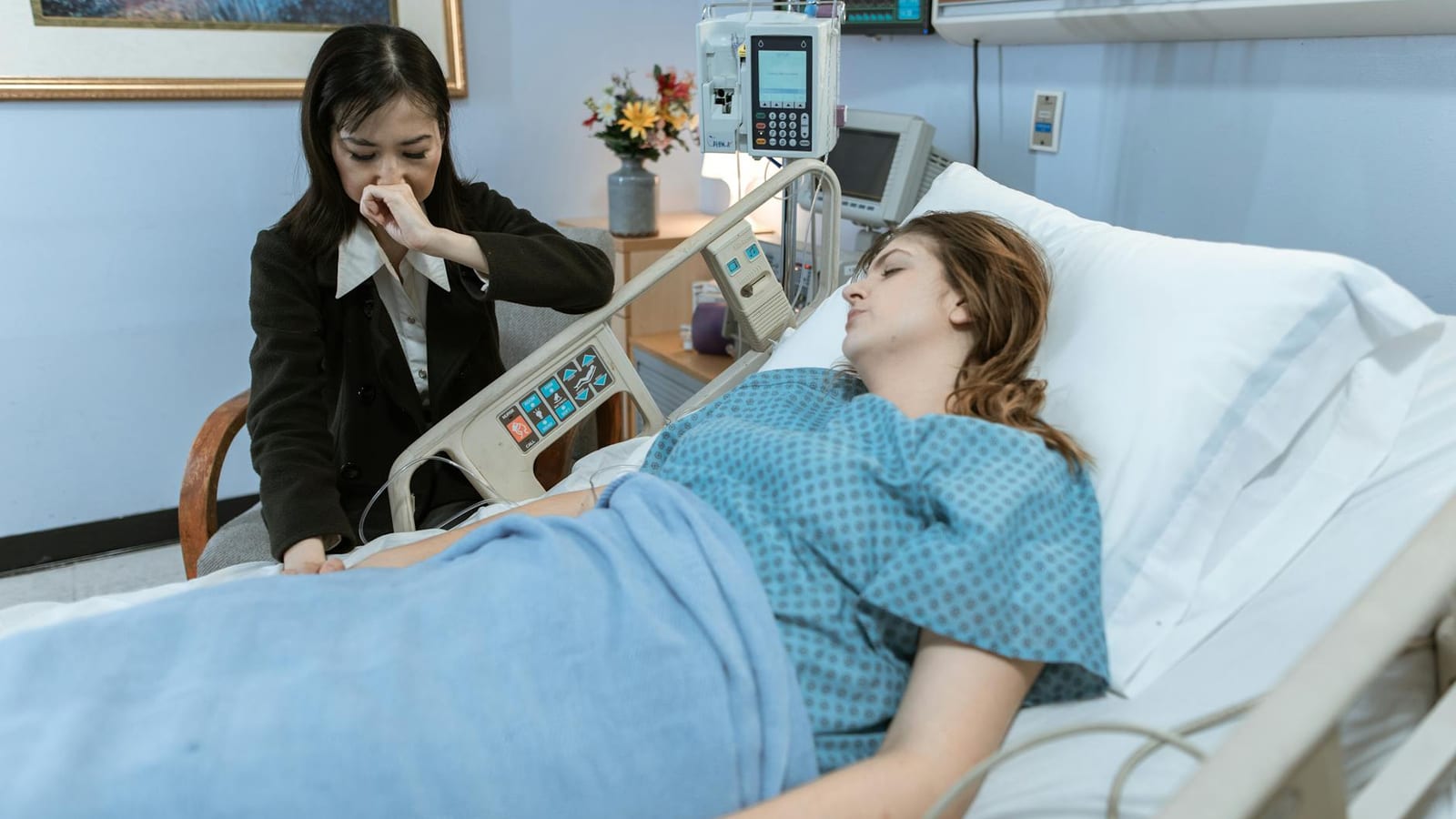
A bad night’s sleep is annoying. Years of broken sleep may be far more serious.
Researchers at MD Anderson Cancer Center have linked poor sleep with a higher risk of some cancers in adults under 50. The finding came from health records of more than 18 million Americans aged 18 to 50.
The work, presented at the American Society of Clinical Oncology annual meeting in Chicago, does not prove sleep loss causes cancer. But it adds one more warning to a pattern doctors have watched with growing worry.
Sleep loss and young cancer risk
The researchers found that adults under 50 with poor sleep patterns had a higher chance of developing certain early-onset cancers. These included bowel, breast, uterine and ovarian cancers.
In some cases, people diagnosed with insomnia faced nearly three times the risk of cancer within five years. That number will sound alarming, and it should. But it needs careful reading.
This was based on large health data, not a trial where one group was made to sleep less. So the study can show a strong link. It cannot yet prove that poor sleep directly caused cancer.
Still, doctors pay attention when a signal appears across millions of records. One restless night is not the concern here. The concern is chronic sleep disruption that becomes part of daily life.
Why broken sleep may matter
Sleep is not just downtime. It is when the body repairs tissue, balances hormones and calms inflammation.
If sleep keeps breaking down, the immune system may also suffer. That matters because the immune system helps detect and clear abnormal cells before they grow.
Researchers also suspect sleep loss may travel with other risks. People who sleep poorly may drink more alcohol, exercise less, gain weight, or smoke. Each of these can raise cancer risk in its own way.
This is where the story becomes familiar for many working Indians. Long commutes, late calls, night shifts and phone screens have turned sleep into a leftover activity.
For a young professional with a home loan, sleep often loses to deadlines. For a small business owner, it loses to cash flow stress. For shift workers, the body clock may never fully settle.
Early-onset cancer is rising
The study also points to a bigger trend. Researchers said cancer cases in younger adults have risen sharply over three decades.
Their figures show cases rising from 1.82 million in 1990 to 3.26 million in 2019. They also noted a rise in cancer deaths among people in their 30s, 40s and younger.
This is not only a Western problem. Indian doctors have also been seeing younger patients with cancers once considered more common later in life.
Bowel cancer is a good example. Earlier, many families associated it with older age. Now, doctors often warn younger adults not to ignore rectal bleeding, unexplained weight loss, persistent stomach changes or fatigue.
Breast cancer in younger women also creates a different kind of burden. It can collide with careers, fertility plans, parenting and family finances all at once.
That is why sleep research matters. If poor sleep turns out to be one risk marker, it gives doctors another way to identify people who need closer attention.
What the study cannot prove yet
The researchers themselves said more work is needed. That caution is important.
Insomnia may be a cause, a warning sign, or a companion to other health problems. For example, anxiety, depression, obesity and alcohol use can all disturb sleep. They can also affect long-term health.
Health records can miss details too. They may record an insomnia diagnosis, but not always sleep quality, work schedules, stress levels, diet or family history.
So readers should not walk away thinking, “I slept badly, so cancer is coming.” That would be the wrong lesson.
The better lesson is this: chronic sleep trouble deserves medical attention. It is not weakness, laziness or just modern life. It is a health issue.
Better sleep is practical prevention
Good sleep will not replace cancer screening, vaccines, exercise or a healthy diet. But it can support all of them.
Doctors usually advise adults to keep a regular sleep time, even on weekends. The body likes routine more than we admit.
Light also matters. Phone screens and bright rooms can delay melatonin, the hormone that helps the body prepare for sleep. Cutting screen use before bed is not moral advice. It is biology.
Caffeine can linger for hours, so late tea, coffee and cola can disturb sleep. Alcohol may make people feel drowsy, but it often worsens sleep quality later in the night.
Heavy dinners can also interfere with rest, especially for people with acidity or reflux. A lighter meal, taken earlier, often helps more than fancy sleep products.
Exercise helps sleep, but very late intense workouts may keep some people alert. A short walk after dinner may work better for many.
The hardest part is mental noise. Reading, calm music, prayer, meditation or quiet breathing can help some people shift out of work mode.
For families, the message is simple but not small. If someone at home has months of poor sleep, loud snoring, choking at night, severe anxiety, or daytime exhaustion, they should see a doctor.
The next step for science is to find out whether fixing sleep can actually reduce cancer risk. Until then, sleep should sit beside diet, movement and screening in our idea of prevention. Not as a miracle shield, but as one daily habit the body clearly takes seriously.
This article is for informational purposes only and does not substitute medical advice. Consult a qualified physician for any health concern.
This article is for informational purposes only and does not substitute medical advice. Consult a qualified physician for any health concern.