Treadmill's Prison Past Offers India a Fitness Lesson
A look at the treadmill's prison origins shows why India's fitness culture should favour sustainable movement over punishment-style workouts.
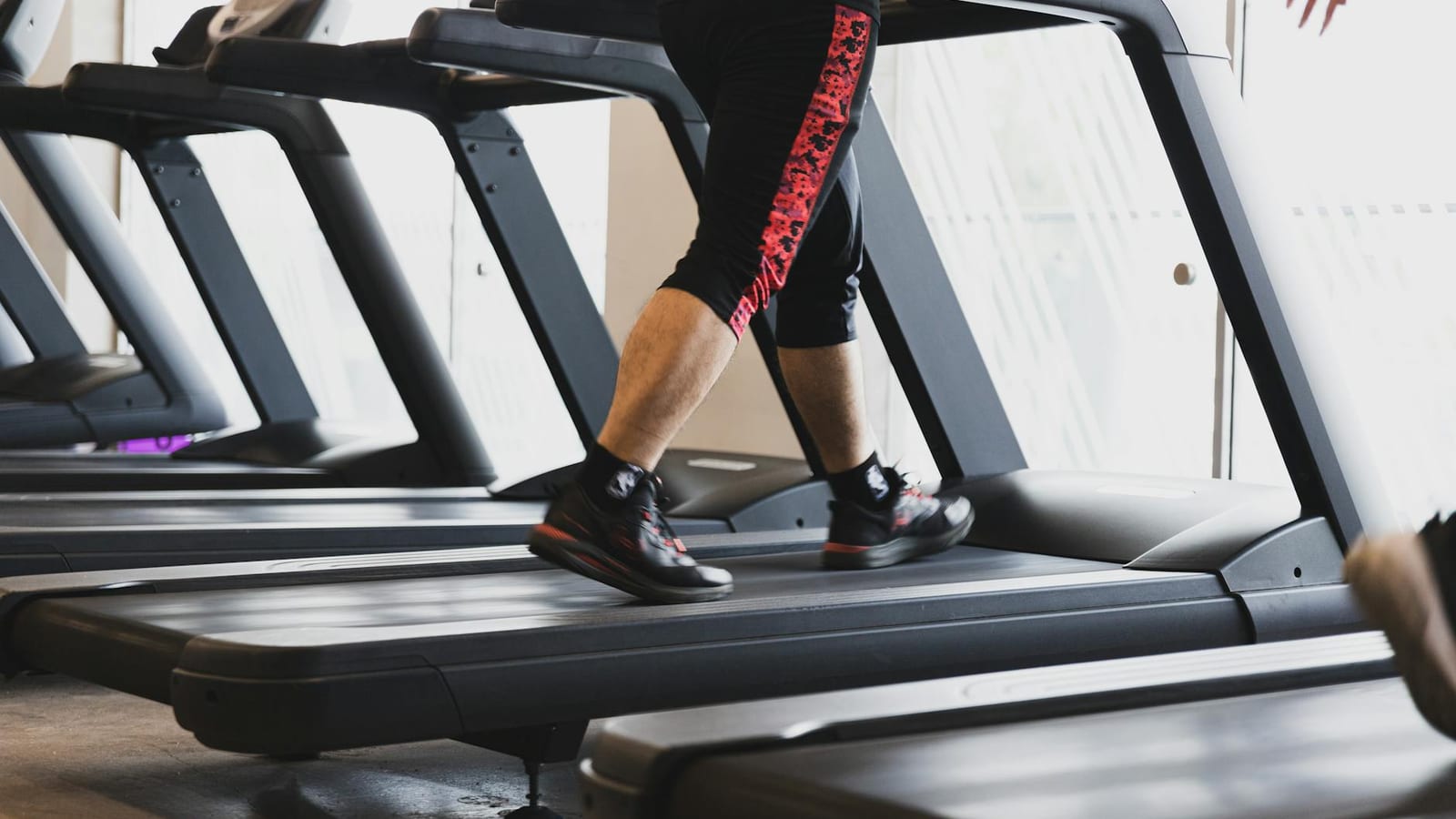
The treadmill did not begin life beside protein shakers and gym mirrors. It began with tired prisoners climbing wooden steps for hours.
That little shock matters because India now treats the treadmill as a symbol of discipline. In apartment gyms, offices, and homes, it promises control over time, weather, and traffic.
But its history is a useful reminder. Fitness works best when movement feels sustainable, not like punishment in better shoes.
From prison wheel to gym floor
Historical accounts trace the prison treadmill to British engineer William Cubitt, who designed a treadwheel in the early 1800s. The idea was simple and harsh. Prisoners stepped continuously on a rotating wheel, often to grind grain or pump water.
Over time, the machine became less about useful work and more about hard labour. Some prisoners reportedly climbed for hours, with little purpose beyond exhaustion.
That origin story feels strange today because the modern treadmill sells freedom. You can walk during the monsoon, jog after office, or exercise safely in a gated complex.
For many Indians, that matters. A woman working late in Gurugram may not feel safe running outside at 10 pm. An older man in Chennai may avoid slippery pavements after rain.
Why treadmills became popular
The treadmill solved a very Indian problem before India even adopted it widely. It removed excuses created by bad footpaths, pollution, heat, stray traffic, and unsafe streets.
That does not make it magical. It simply makes walking easier to schedule. And in health, boring consistency often beats dramatic ambition.
The World Health Organization recommends that adults get 150 to 300 minutes of moderate aerobic activity each week. In plain English, that means brisk walking for about 30 minutes on most days.
Moderate activity means you breathe faster, but can still talk. If you cannot finish a sentence, you are probably pushing harder.
The treadmill helps because it gives feedback. Speed, time, incline, and distance sit right in front of you. That can motivate some people and intimidate others.
A beginner does not need heroic numbers. Ten minutes at a steady pace counts. Three short walks in a day also count.
The body does not know branding
Your heart does not care whether you walked in a park or on a machine. It responds to effort, rhythm, and regular movement.
The American Heart Association says regular physical activity can support heart and brain health. Walking helps blood vessels work better and improves how the body uses sugar.
Think of muscles as hungry engines. When you move, they pull sugar from the blood for fuel. That is one reason walking can help people manage metabolic risk.
The lungs also work a little harder. The heart pumps more blood. Over weeks, the body learns to handle that demand better.
Still, a treadmill has limits. It cannot replace strength training, balance work, sleep, food quality, or medical care.
It also gives a slightly controlled version of walking. A moving belt changes how some people place their feet. Outdoor walking adds turns, uneven ground, and small balance challenges.
So the best plan may not be either-or. Use the treadmill when life blocks outdoor movement. Step outside when air, safety, and time allow.
How to use it safely
The old prison treadmill punished the body. The modern one should respect it.
Start slower than your ego wants. Warm up for five minutes before increasing speed or incline. Your joints, calves, and lower back need that warning.
Incline can make walking harder without running. But too much incline too soon can strain the calves and Achilles tendon. That tendon connects the calf to the heel.
Handrails deserve a small lecture. Holding them tightly changes posture and reduces effort. Use them for balance when needed, not as a permanent crutch.
People with chest pain, fainting spells, severe breathlessness, or known heart disease should speak to a doctor first. That is not fearmongering. It is common sense.
Older adults should also check footwear and belt speed. A fall on a treadmill can injure wrists, knees, hips, or the head.
For weight loss, the treadmill helps only as part of the larger picture. A 30-minute walk cannot cancel careless eating all day. But it can build a habit that changes the day’s direction.
Fitness should not feel like punishment
The most useful lesson from the treadmill’s past is psychological. When exercise feels like a sentence, people quit.
That is why many first-time users fail after one enthusiastic week. They start too fast, ache badly, miss two days, and call themselves lazy.
A kinder plan works better. Walk at a pace you can repeat tomorrow. Add five minutes after two weeks. Increase incline only when the base habit feels normal.
Music, podcasts, or a cricket highlights clip can help. So can walking with a family member in the same room. The point is not drama. The point is return.
Gyms often sell transformation, but health usually arrives quietly. Lower resting breathlessness. Better sleep. Fewer sugar crashes. More confidence climbing stairs.
That is the real story of the treadmill. A machine once used to break people can now help them rebuild routine, if used with patience. For ordinary readers, the message is simple: do not chase suffering. Chase regular movement, done safely, and often enough to become part of life.
This article is for informational purposes only and does not substitute medical advice. Consult a qualified physician for any health concern.
This article is for informational purposes only and does not substitute medical advice. Consult a qualified physician for any health concern.