Treadmill's Prison Past Reframes Gym Fitness Guilt
The treadmill's prison-era roots show how forced labour became gym routine, and why healthier exercise habits should move beyond guilt.
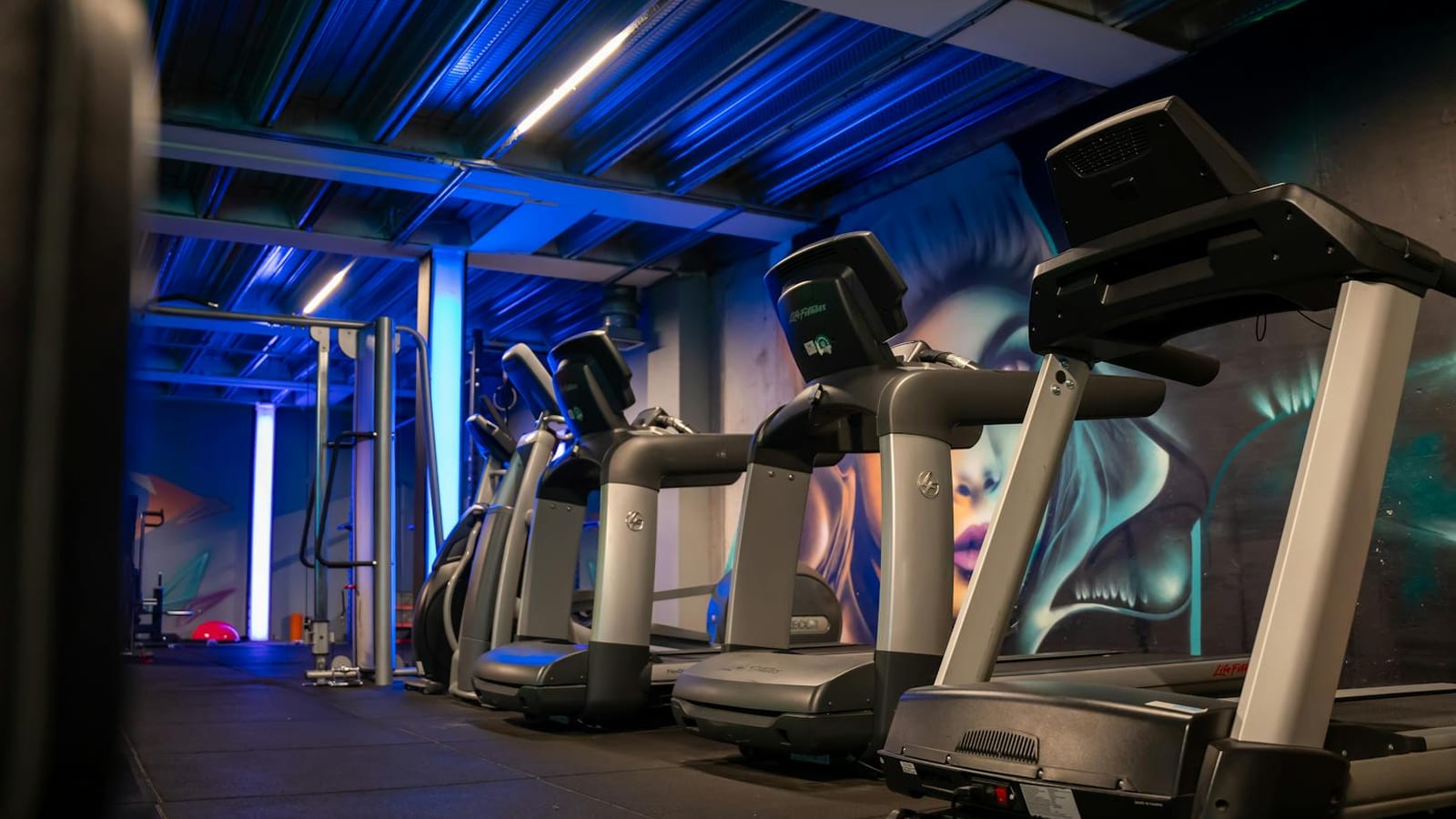
The treadmill looks harmless under bright gym lights. But its family history is far less shiny.
Before it became a fitness machine, its older cousin made prisoners climb endlessly. Some accounts describe shifts that stretched for hours. The aim was not wellness. It was exhaustion, discipline, and punishment.
That strange origin story matters today because many Indians still treat exercise like a sentence. We drag ourselves to the gym, punish our bodies after overeating, then quit when guilt fades.
The treadmill began as hard labour
The early treadmill was not built for calorie tracking. Historical records link the prison treadwheel to Sir William Cubitt, a British engineer, in 1818.
Prisoners stepped on wooden boards that kept turning under their feet. Their movement could grind grain or pump water. In many places, it simply wore them down.
That is the part worth sitting with. The same basic motion that fills gyms today once lived inside prisons. It turned walking, the most natural human movement, into forced labour.
Modern fitness equipment changed the setting completely. We now get cushioned belts, heart-rate screens, music, fans, and monthly memberships. But the emotional baggage remains familiar.
Many people still speak about workouts as punishment. “I must burn off dinner.” “I ate badly, so I need one hour on the machine.” That language may sound casual, but it shapes behaviour.
When exercise becomes payback, the body becomes an enemy. That is a poor starting point for long-term health.
Walking works when it feels doable
The medical case for walking is strong. The World Health Organization recommends 150 to 300 minutes of moderate aerobic activity each week for adults.
Moderate means your heart beats faster, but you can still talk. A brisk walk usually fits that description for many healthy adults.
The WHO also recommends strength work at least two days a week. That means using muscles against resistance. It can include weights, resistance bands, squats, or even push-ups against a wall.
This is where the treadmill earns its place. It removes many daily excuses. Bad weather, unsafe roads, pollution, traffic, and poor footpaths can make outdoor walking difficult.
For young professionals on long workdays, a treadmill can make movement predictable. For older adults, it offers a flat surface and adjustable speed. For people returning after illness, it allows careful pacing under advice.
The American Heart Association also points to walking as a simple way to improve heart health. It links regular activity with lower risk of heart disease, stroke, and diabetes.
But the machine is only a tool. It cannot fix sleep loss, poor food habits, stress, or smoking. It also cannot make up for sitting all day.
A 30-minute walk helps. It does not cancel 12 hours of stillness. The body notices the full day, not just the workout slot.
Fitness should not feel like punishment
A prison machine became a gym machine. That story should make us rethink how we approach fitness.
The goal is not suffering. The goal is adaptation. Your heart, lungs, muscles, joints, and brain respond when you give them regular, manageable work.
Push too hard too soon, and the body pushes back. Knees hurt. Shins ache. The back tightens. Motivation disappears. Then the treadmill becomes a clothes rack at home.
Doctors and physiotherapists often see this pattern. A person starts with great intensity after a health scare or festive weight gain. Within two weeks, pain or boredom ends the plan.
A better start looks almost too easy. Ten to fifteen minutes at a comfortable pace. Then a slow increase. After a few weeks, speed or incline can rise gently.
Incline means the belt tilts upward. It makes walking harder without forcing you to run. For many people, that is kinder on the joints than sudden jogging.
The talk test helps. If you can speak in short sentences, you are likely in a moderate zone. If you gasp constantly, slow down.
People with chest pain, severe breathlessness, fainting, known heart disease, or uncontrolled blood pressure need medical advice before starting hard exercise. That is not fear-mongering. It is basic safety.
A treadmill stress test in a hospital uses walking to check how the heart handles effort. That alone tells us something. Movement is powerful enough to reveal hidden strain.
The machine is not the habit
The Indian fitness market loves machines. Apartments advertise gyms. Offices add wellness rooms. Influencers film perfect runs on sleek treadmills.
Yet the deeper problem remains consistency. A machine cannot build a habit by itself. A person has to make movement ordinary.
That means shorter goals may work better than heroic ones. Twenty minutes after dinner. A morning walk before calls. Three treadmill sessions a week. Two days of simple strength work.
For families, the bigger shift is cultural. Children learn from what adults repeat. If exercise sounds like punishment, they absorb that message early.
If movement looks normal, useful, and even enjoyable, the lesson changes. A walk becomes less about weight and more about energy, mood, balance, and independence.
This matters especially as India ages. More adults will live with diabetes, high blood pressure, heart disease, and joint pain. These conditions do not need dramatic fitness plans. They need steady, realistic routines.
The treadmill’s prison past is a sharp little reminder. The same act can punish or heal, depending on choice, dose, and purpose.
So the next time you step on one, do not treat it like a confession box for food guilt. Treat it like a small appointment with your future self. The belt moves under your feet, but the real progress comes when exercise stops feeling like a sentence.
This article is for informational purposes only and does not substitute medical advice. Consult a qualified physician for any health concern.
This article is for informational purposes only and does not substitute medical advice. Consult a qualified physician for any health concern.