Authoritarian blackouts leave world reading crises late
Internet shutdowns and media curbs in Iran, Gaza, Russia, Venezuela and Mali leave governments, markets and families reacting through fog.
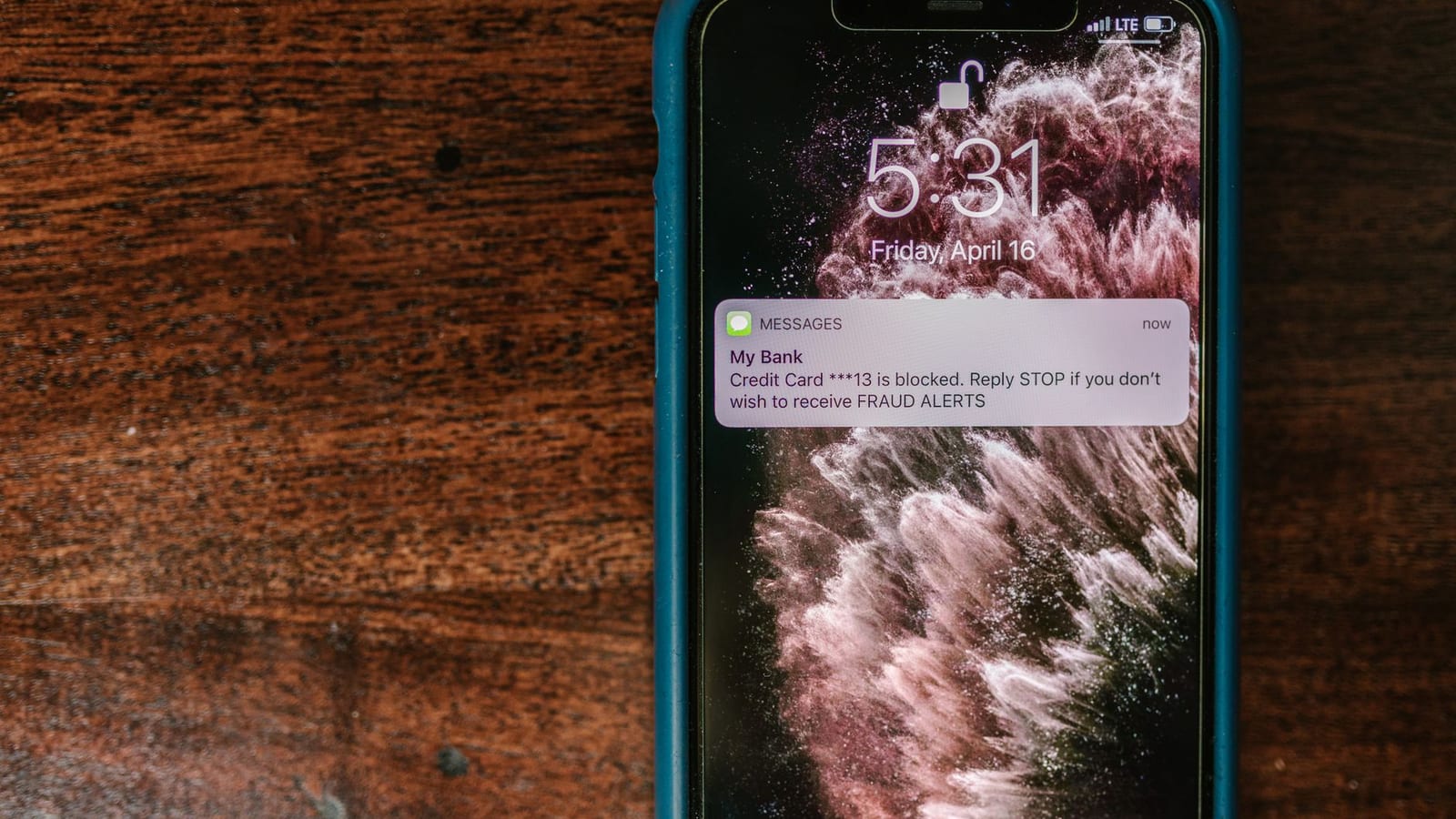
A country can disappear from the news without becoming peaceful. Sometimes, it disappears because those in power switch off the lights.
That is the uncomfortable lesson from Iran, Gaza, Russia, Venezuela and Mali. These are not quiet corners of the world. They sit at the centre of wars, protests, coups and power struggles. Yet the people trying to report from there often face blocked phones, dead internet, entry bans, threats, jail, or worse.
For Indian readers, this is not some distant media debate. When information is choked in Tehran, Gaza, Moscow or Bamako, the rest of the world makes decisions through fog. Governments react late. Markets misread risk. Families wait for news. And propaganda gets a free run.
Iran’s blackout hides a crisis
Iran has shown how modern censorship works in its harshest form. Authorities cut or sharply reduced internet and phone communications from February 28 to May 26, before partly restoring them.
That meant news about bombings, casualties, military damage and internal power games came out slowly. Often, it came in fragments. Journalists had to depend on patchy connections and uncertain windows of access.
This matters because Iran sits inside a wider regional storm. The war involving Israel and the United States has shaken West Asia for three months. For India, that region is not abstract. It affects oil prices, shipping routes, migrant workers and the safety of millions of Indians in the Gulf.
A blackout does not only silence journalists. It also cuts ordinary people off from relatives, doctors, schools and basic services. A family outside Iran may not know whether a loved one is safe. A trader may not know if a payment has gone through. A student may not even receive a simple message.
Iran has long controlled information tightly. But this scale of communication lockdown marks a sharper turn. It tells citizens that the state owns not just the streets, but also the signal.
Gaza’s reporters carry the burden
At the other end of West Asia, Gaza shows another version of the same problem. Israel has barred international media from entering the territory for more than two years and eight months.
The ban began after the war that followed the Hamas attack on October 7, 2023. Since then, the outside world has had to rely heavily on Palestinian journalists inside Gaza.
That is a terrible burden to place on local reporters. They are not only covering the war. They are living through it. They report from places where their own families, homes and neighbourhoods may be under threat.
Reporters Without Borders has said around 220 Palestinian journalists were killed during this period. That number should make any democracy pause. When the people documenting a war are killed in such numbers, the record itself becomes fragile.
The point is not that every claim from a war zone is automatically true. The point is simpler. If independent reporters cannot enter, verify and question, everyone else sees only selected pieces of reality.
That suits those with power. It does not serve civilians, hostages, soldiers’ families, aid workers, or voters.
Propaganda fills the empty space
Censorship rarely announces itself as censorship. It comes dressed as national security, public order, anti-terror action, or protection against foreign plots.
Sometimes those concerns are real. States do face threats. Wars do create sensitive information. No serious person argues that every battlefield detail must go live instantly.
But there is a clear line between protecting lives and controlling the story. Authoritarian governments cross that line easily. Democracies can cross it too, especially during war.
Once reliable reporting weakens, propaganda moves in fast. It does not need to convince everyone. It only needs to confuse enough people.
One side says there were no civilian deaths. Another side says the damage was massive. A third group posts old videos as new ones. By the time facts arrive, anger has already done its work.
Indian audiences see this daily on social media. A clip from one country appears with a false caption from another. Old riot footage returns during elections. A fake military claim travels faster than any correction.
That is why access matters. Independent journalism is not perfect. But without it, citizens must choose between official statements, activist posts and rumour.
India cannot treat this as distant
India has practical reasons to care about information blackouts abroad. West Asia affects our fuel bill. Russia affects defence supplies and energy flows. Africa affects mining, trade and diplomatic alliances. Venezuela affects oil politics and global sanctions.
When news from these places gets blocked, Indian businesses face uncertainty. Exporters cannot judge risk. Airlines worry about routes. Students and workers abroad depend on clear advisories. Investors watch conflict zones because prices move on fear.
There is also a political lesson here. The global order now runs on competing narratives. The United States, China, Russia, Iran, Israel and others all understand this. They do not only fight over land, ports, chips and oil. They fight over what the world believes.
India has tried to keep strategic space in a divided world. That becomes harder when facts are hidden. If New Delhi must balance ties with rival powers, it needs clear information, not curated theatre.
Ordinary Indians also need sharper instincts. A viral post from a war zone may look convincing. But if journalists cannot reach the place, if phones are down, if the state controls every camera, caution is not cynicism. It is common sense.
The real cost of silence
The first victims of censorship are usually local people. They lose the ability to tell the world what is happening to them.
Then journalists lose access. After that, aid agencies struggle to assess needs. Diplomats negotiate with partial facts. Citizens abroad form opinions from anger, loyalty or fear.
That chain has consequences. A hidden crackdown can last longer. A war crime can become harder to prove. A false claim can harden into public memory.
This is why the fight over information is now part of every conflict. Bombs shape the battlefield. Censorship shapes the aftermath.
For India, the lesson is plain. In a world where regimes can switch off networks, seal borders and flood phones with propaganda, the right question is not only, “What happened?” It is also, “Who is allowed to show us?” The answer will decide how much truth reaches ordinary people, and how much power gets to pass itself off as reality.