Bad Bunny Begins Europe Tour With Barcelona Shows
Bad Bunny opened his European tour in Barcelona, kicking off 29 stadium concerts across the continent after a major Puerto Rico residency.
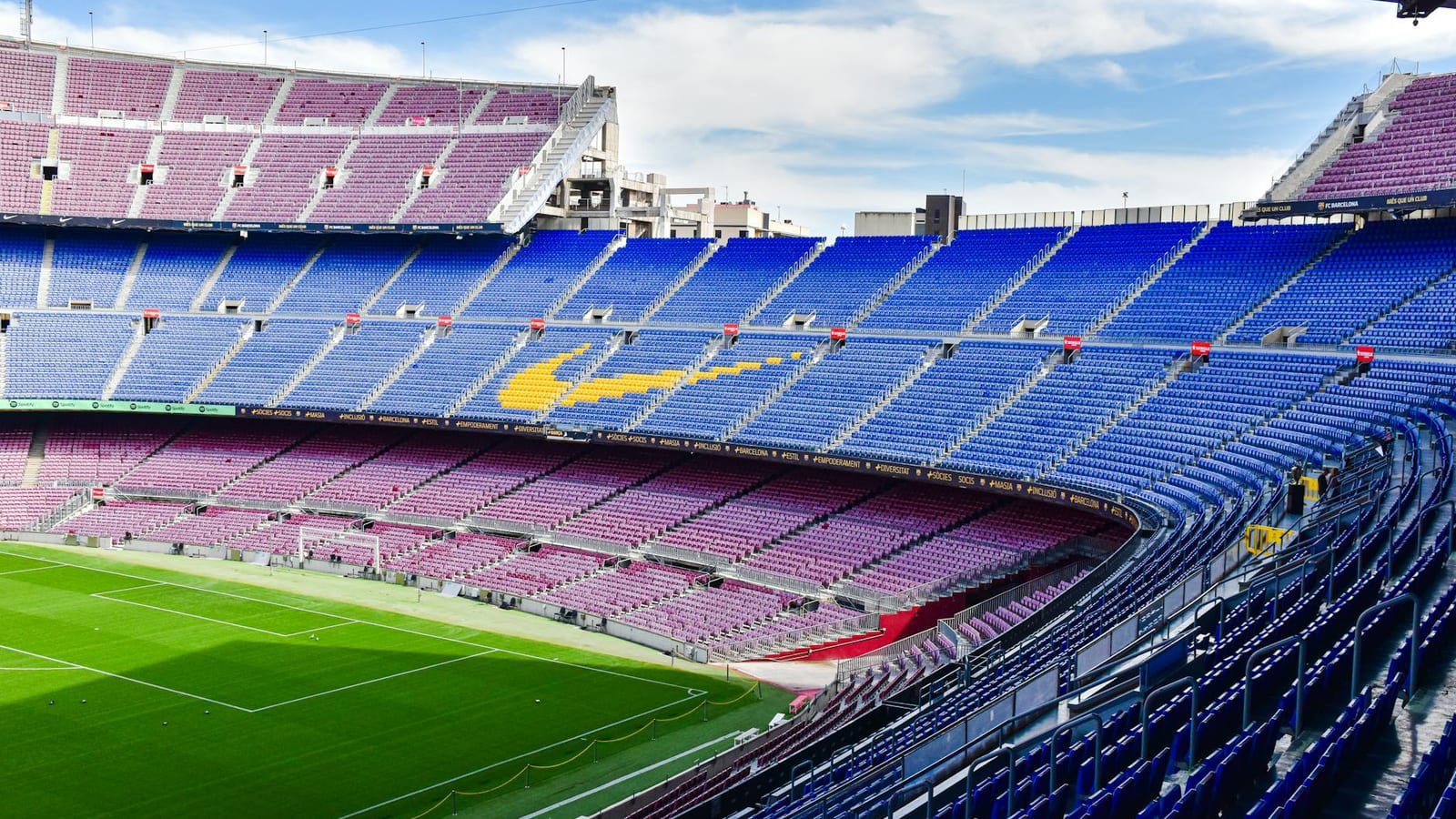
Hundreds of fans waited outside Barcelona’s Olympic Stadium hours before showtime. That tells you something.
Bad Bunny is no longer just a Latin music star crossing borders. He is now a global cultural force carrying language, politics, migration, and identity into stadiums.
For Indian readers, this story should feel familiar. We know what happens when music stops asking for Western approval and starts speaking to its own people first.
Barcelona opens the European run
Bad Bunny began his European tour on Friday, May 22, with two shows in Barcelona. The tour will run through late July, covering 29 concerts across the continent.
After Barcelona, he heads to Lisbon, then Madrid, where he will play ten nights at the Metropolitano stadium. That is not a small booking. It shows the size of his audience in Spain, especially among Latin American communities.
The tour will then move through Germany, the Netherlands, the United Kingdom, France, Sweden, Poland, and Italy. It ends in Brussels on July 22.
This European leg follows 30 concerts in Puerto Rico, his home island. Some of those shows gave priority to local residents. That detail matters. Before selling himself to the world, he made sure the home crowd got its moment.
Spanish pop takes centre stage
In ten years, Bad Bunny has pushed reggaeton and Latin trap into the centre of global pop. He has done it without switching to English to appear more marketable.
That is the sharpest part of his success. For decades, non-English artists were told to adapt. They needed English hooks, Western producers, and softer cultural edges. Bad Bunny has flipped that logic.
His album “Debi tirar mas fotos” won album of the year at the Grammy Awards in February. It marked the first time a Spanish-language album received that honour.
The album also draws heavily from Puerto Rican sounds such as salsa, bomba, and plena. These are not decorative touches. They carry history, neighbourhood memory, and political feeling.
Indian listeners should understand this instinct very well. Think of how Punjabi, Tamil, Telugu, Bhojpuri, and Malayalam music travel today. The biggest songs often keep their local flavour intact. That is why they work.
A young Indian fan streaming Latin pop may not understand every word. But rhythm travels first. Confidence travels next. Bad Bunny’s rise proves that global pop no longer needs one language at the top.
Politics inside a dance beat
Bad Bunny’s new music also speaks about Puerto Rico’s colonial history. The island has remained under United States jurisdiction since 1898.
That sounds like a history lesson. In his hands, it becomes dance music with a political pulse.
His stage design also carries these references. The tour features sugarcane and “la casita”, or the little house. Both images point to land, labour, memory, and home.
This is where the story becomes bigger than a concert schedule. Bad Bunny is selling out stadiums while reminding fans where the songs come from.
Earlier in his career, he moved carefully around politics. That changed in 2019, when protests shook Puerto Rico after scandals involving local authorities. He became one of the visible public figures associated with that moment.
At the Grammy Awards in February, he criticised the US immigration enforcement agency ICE. He said it should be removed from communities, opposing the immigration policies linked to Donald Trump.
That position has shaped his tour choices. His current global run skips the United States. He has said he wanted to avoid putting fans at risk of possible immigration raids.
For migrant families, that fear is not abstract. A concert should be a night of release. For some fans in America, it can also mean anxiety at the gate.
Why India should care
At first glance, this may look like a Latin pop story far from India. It is not.
India is watching the same global shift from another angle. Audiences no longer wait for London, Los Angeles, or New York to certify culture. They create scale at home, then take it outward.
Bad Bunny’s Puerto Rico-first approach mirrors something Indian entertainment has learned recently. Regional pride is no longer a niche. It is the engine.
When a Tamil film opens across continents, or a Punjabi track becomes a wedding anthem in Canada, the pattern is similar. Diaspora audiences create bridges. Local language becomes a badge, not a barrier.
Spain is an obvious stop for Bad Bunny because of language and migration. Madrid’s ten concerts show how diaspora demand can reshape the live music business.
India’s own entertainment industry should study that closely. The next global Indian breakout may not come from a polished English pop act. It may come from an artist rooted deeply in one state, one language, one sound.
There is also a business lesson. Concert touring now sells identity, not just songs. Fans buy tickets because they want to belong to a moment.
That is why visuals such as sugarcane and the little house matter. They turn a stadium into a cultural map. The fan does not just hear music. The fan enters a story.
A stadium show with a message
Bad Bunny has also drawn political heat in the United States. His Super Bowl halftime appearance angered Trump, even though the singer did not mention him during the show.
That reaction says plenty about the climate around culture today. Pop stars with migrant roots cannot always remain “just entertainers”. Their language, clothes, and audience already carry meaning.
This is not new for India either. Our film songs, protest music, and folk traditions have carried politics for generations. Sometimes the message is direct. Often, it sits inside rhythm, costume, and setting.
Bad Bunny’s genius lies in making that mix feel natural. He does not pause the party to give a lecture. He lets the party reveal the politics.
For ordinary listeners, that makes the message easier to absorb. A fan may arrive for the beat and leave thinking about home, power, police, and borders.
That is why his European tour matters beyond ticket sales. It shows how the centre of pop culture is moving. It is becoming more multilingual, more migrant, and less patient with old gatekeepers.
For India, the takeaway is simple. The future will reward artists who sound unmistakably like themselves. The world is no longer asking everyone to sing in the same accent. It is finally learning to dance to many.