Bad Bunny begins Europe tour as Spanish pop surges
Bad Bunny opens his European run in Barcelona, showing how Spanish-language pop now fills major stadiums and reshapes global music markets.
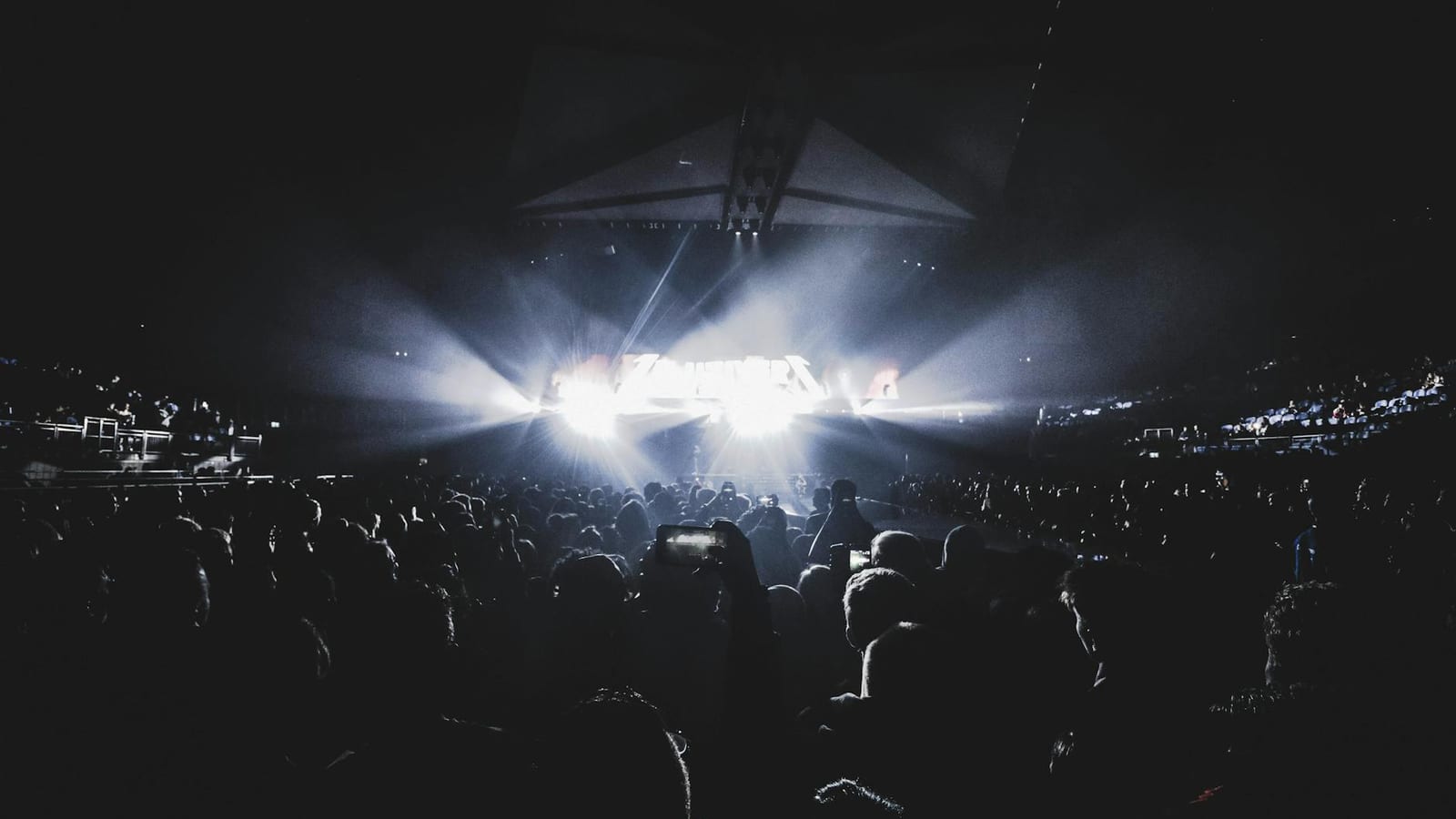
Bad Bunny opening a European tour in Barcelona is not just a concert story. It is a neat little map of where pop power has moved.
Hours before his show on Friday, May 22, fans had already gathered near the Olympic stadium in Montjuïc. That scene says plenty. A Puerto Rican artist, singing mainly in Spanish, can now fill Europe’s biggest venues without asking English pop for permission.
For Indian readers, that should sound familiar. We have seen Punjabi, Tamil, Telugu, and Hindi music travel far beyond diaspora pockets. The old rule was simple: sing in English to go global. Bad Bunny has helped tear that rule apart.
Barcelona kicks off the European leg
The European run starts in Barcelona, with two nights in the city. From there, Bad Bunny moves to Lisbon and then Madrid, where he is due to play ten shows at the Metropolitano stadium.
That Madrid stretch matters. Spain has a large Latin American community, and its cities now work like cultural bridges. A concert there is not only entertainment. It is also a meeting point for migrants, students, workers, and second-generation families.
The full European schedule runs through Germany, the Netherlands, the United Kingdom, France, Sweden, Poland, and Italy. The tour ends in Brussels on July 22, after 29 concerts across the continent.
This is the kind of routing that shows serious confidence. Artists do not book stadiums across Europe on sentiment. Promoters follow demand, ticket data, streaming numbers, and community pull.
For Indian music executives, there is a simple lesson here. Language is no longer the wall it once was. The wall now is whether an artist has a sound, a story, and a fan base willing to travel.
Spanish pop rewrites old rules
In just about a decade, Bad Bunny has pushed reggaeton and Latin trap into the centre of global pop. That rise did not happen through polite crossover ballads. It came through rhythm, attitude, and an unapologetic Spanish voice.
His album Debi tirar mas fotos won album of the year at the Grammy Awards in February. It became the first Spanish-language album to take that top honour.
That matters because awards often move slower than audiences. Fans usually accept change first. Institutions catch up later, after the numbers become impossible to ignore.
The album also reaches back into Puerto Rico itself. It uses salsa, bomba, plena, and other local sounds. These are not decorative touches. They carry memory, community, and history.
The record also speaks about Puerto Rico’s colonial condition. The island has been under United States jurisdiction since 1898. That legal phrase sounds dry, but its effects are not.
It shapes politics, identity, migration, and rights. For Puerto Ricans, questions of belonging are not theory. They appear in passports, elections, taxes, policing, and everyday dignity.
That is why Bad Bunny’s current phase feels different from ordinary pop stardom. He is not only selling a beat. He is packaging political memory inside music that people can dance to.
India understands this mix better than many Western markets. Our film songs, protest songs, folk traditions, and devotional music have long carried politics quietly. Sometimes a rhythm says what a speech cannot.
The politics inside the performance
Bad Bunny did not begin his career as a loud political voice. Like many stars, he first seemed cautious about taking firm public positions. That changed as Puerto Rico’s own politics turned turbulent.
In 2019, protests swept the island after scandals involving local authorities. Bad Bunny became one of the major cultural figures linked to that moment. For young fans, he looked less like a distant celebrity and more like someone speaking from inside the same wound.
His stage design now also carries meaning. The tour uses images such as sugar cane and “la casita,” the small house. Both symbols point to land, labour, home, and colonial history.
Sugar cane is not an innocent image in the Caribbean. It brings with it plantations, wealth extraction, and generations of hard labour. A small house, by contrast, suggests belonging and protection.
That contrast is powerful because it keeps the politics visual. Fans do not need a lecture to sense the message. They can see it while singing along.
This is where Bad Bunny’s success becomes a larger cultural story. Pop stars once tried to keep politics outside the arena. Now the arena itself has become the argument.
Indian audiences have seen similar shifts. A song, a slogan, a film dialogue, or even a costume can trigger a national debate. Culture travels faster than official statements, and it often lands harder.
Why America is absent
The most striking part of the tour is where it does not go. Bad Bunny’s world tour does not include the United States, although he has a huge fan base there.
He has explained that choice as a way to protect fans from possible raids by ICE, the American immigration enforcement agency. At the Grammy ceremony, he also urged that ICE be removed, making his opposition clear.
That position directly confronts the immigration policies associated with Donald Trump, now back at the centre of American power. Bad Bunny later performed at the Super Bowl halftime show, which brought criticism from Trump, though the singer did not mention him during that performance.
For Indians, the immigration angle should not feel remote. Millions of Indian families track American visa rules, green card backlogs, student work rights, and enforcement changes with real anxiety.
When a superstar avoids the United States to keep fans safe, it shows how immigration politics enters daily life. It reaches concerts, campuses, workplaces, and family WhatsApp groups.
The point is not that Puerto Rican and Indian experiences are the same. They are not. But the larger trend is shared. Rich countries want talent, labour, and culture. They often treat migrants and minorities with suspicion at the same time.
That contradiction now sits inside global entertainment. A Spanish-language artist can dominate American platforms, win American awards, and still see America as risky ground for his own fans.
This is the part Western coverage often softens. Bad Bunny is not merely a colourful pop export. He is also a sign of a less obedient cultural order.
The old centre still has money, stages, and awards. But the emotional charge is coming from elsewhere. It comes from San Juan, Seoul, Lagos, Mumbai, Chennai, and Medellin.
Bad Bunny’s European tour will be measured in tickets sold and stadiums filled. But its bigger meaning is simpler. The next phase of global culture will not wait for English approval, and India should pay attention. For ordinary listeners, that means more music that sounds like real places, not just global playlists. For artists here, it is a reminder that the route to the world may begin by sounding more like home.