Beirut strike kills three as Lebanon ceasefire frays
An Israeli strike near Beirut killed a woman and two children, deepening fears that Lebanon's fragile US-backed ceasefire is losing force.
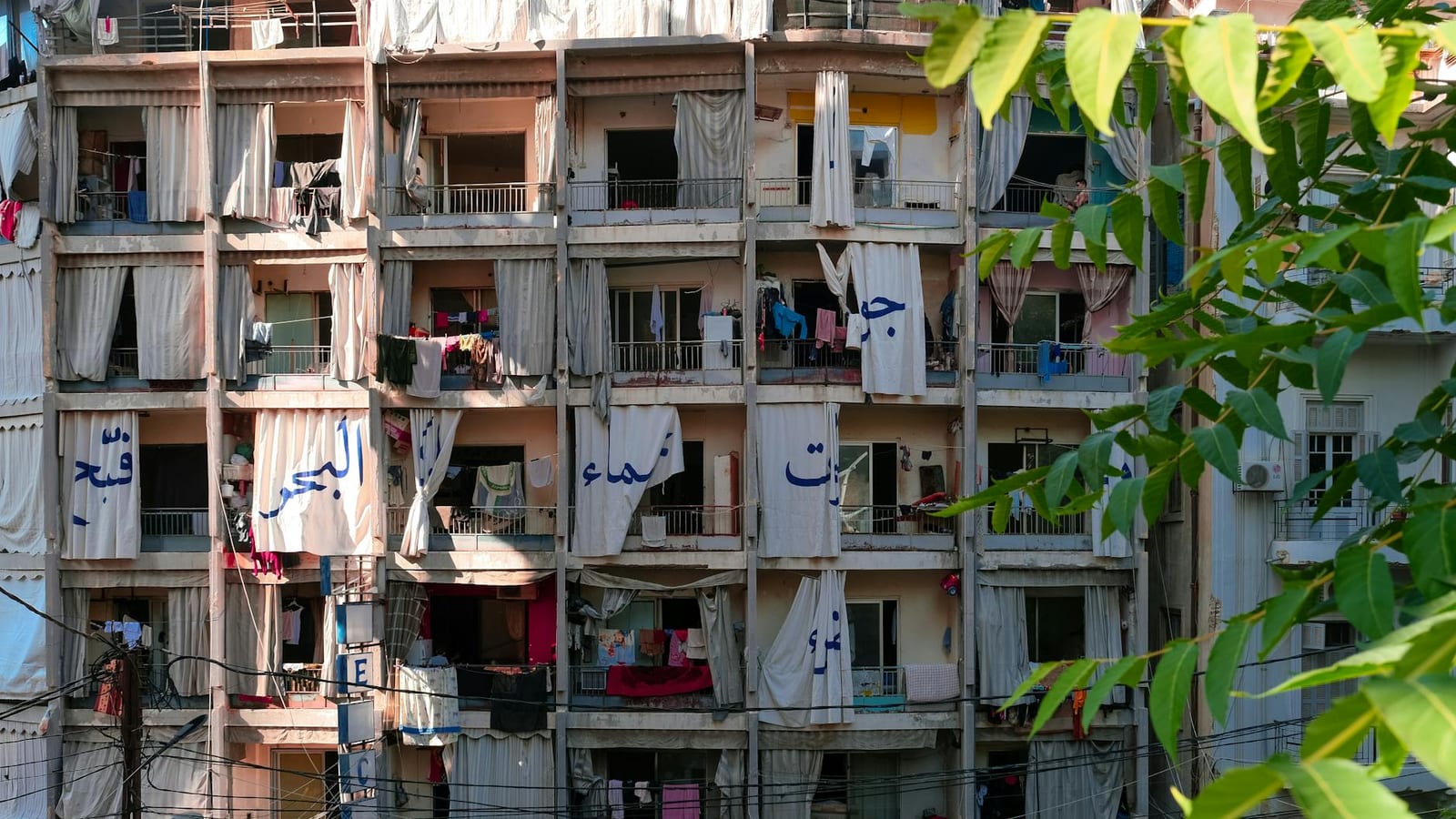
A woman and two children died in a Beirut suburb, and a fragile ceasefire lost another piece of meaning.
Israel says it carried out a precise military strike in Choueifat, near Beirut. Lebanon’s health ministry said the attack hit a residential building and killed three civilians.
For ordinary families in Lebanon, this is the cruel part. A ceasefire exists on paper, yet bags remain packed near doors.
Beirut strike shakes the ceasefire
The strike matters because Beirut and its suburbs were meant to be shielded under the ceasefire pushed by the United States on April 17.
That understanding now looks weaker by the day. Choueifat is not among the areas Israel has repeatedly hit since the war widened in 2023. It also does not have the same known Hezbollah presence as parts of southern Beirut.
Israel’s military called the operation precise, but did not publicly identify the target. Lebanese officials counted civilians among the dead.
That gap tells you why the ceasefire is collapsing in public trust. One side speaks of targets. The other counts bodies, broken homes, and families running again.
South Lebanon empties again
The larger storm is in southern Lebanon. Israeli strikes have hit dozens of towns in recent hours, including areas around Tyre and Nabatieh.
Tyre is not just another coastal city. It is ancient, crowded, and now swollen with displaced families from border villages. Around 200,000 people live there, with many more sheltering nearby.
Lebanon was already carrying a huge burden before this escalation. About 1.2 million people had been forced from their homes, roughly a quarter of the country.
That is a number Indians should pause over. It is like every fourth person in a small state suddenly needing another roof, another school, another kitchen.
For Hiba, a 25-year-old teacher from Tyre, displacement has become painfully personal. Her home was damaged when Israel hit residential towers just before the April ceasefire began.
She had stayed as long as she could. Then, after weeks of fear, she accepted work abroad. She said she felt she was leaving people behind, but also needed to breathe.
That one line carries the larger Lebanese tragedy. People are not making grand political choices. They are choosing between exhaustion and survival.
Evacuation orders widen the fear
Israel has also renewed warnings for residents south of the Zahrani river. The area lies about 40 kilometres from Israel and covers a large slice of southern Lebanon.
Avichay Adraee, the Israeli military’s Arabic-language spokesperson, told residents that movement south of the river could endanger their lives.
The Israeli side argues it must act because Hezbollah has violated the ceasefire. It says the group’s rockets, drones, and anti-tank missiles threaten northern Israeli towns.
That fear is real for Israeli civilians too. Communities such as Metula and Kiryat Shmona remain within range of weapons fired from Lebanon.
Israel said a drone killed one of its soldiers in the north on Thursday. Hezbollah has killed several Israeli uniformed personnel since the ceasefire, according to Israeli figures.
But mass warnings create a different problem. When an entire region hears that movement may be deadly, civilians do not know where safety begins or ends.
Lebanon’s government now faces a near-impossible task. It must handle displacement, food insecurity, and pressure to rein in Hezbollah at the same time.
Washington talks face hard reality
Military delegations from Israel and Lebanon are expected to meet in Washington. Political talks are also meant to extend the ceasefire beyond next week.
On paper, that sounds like diplomacy doing its job. On the ground, the timing looks brutal.
Israeli Prime Minister Benjamin Netanyahu has ordered tougher action against Hezbollah. Israel has intensified strikes while watching talks between the United States and Iran.
That matters because Tehran wants any broader deal to include calm on the Lebanese front. Hezbollah, backed by Iran, remains central to that equation.
Lebanese Prime Minister Nawaf Salam has supported dialogue and a stronger state. He has also said the latest attacks on Tyre and Nabatieh cannot be justified.
This is where Israel’s strategy becomes harder to read. If the aim is to weaken Hezbollah politically, heavy attacks may do the opposite.
Many Lebanese Shia families already feel abandoned by the state. If the Lebanese army stays away and Israeli troops push deeper, Hezbollah can again present itself as their shield.
That does not make Hezbollah harmless. It means war often feeds the very force it claims to destroy.
For India, the lesson is familiar. West Asian wars rarely stay local. They move through oil prices, shipping routes, migrant labour, remittances, and diplomatic balancing.
India has deep ties with Israel. It also has millions of citizens working across West Asia and strong relations with Arab states. A wider conflict squeezes all those interests at once.
A longer Lebanon war could unsettle energy markets and raise insurance costs for trade routes. Even a small price rise can travel quickly into Indian fuel bills and inflation.
There is also the human link. Indian families with relatives in the Gulf watch these flare-ups with private anxiety. They know distance on a map does not always mean distance from risk.
Lebanon now stands at a dangerous point. Its government wants room to rebuild authority. Its civilians want roofs, wages, food, and schools. Israel wants security in the north. Hezbollah wants to survive as an armed power.
The coming talks in Washington will test whether anyone can slow the slide. But ceasefires do not live in conference rooms alone. They survive only when families stop sleeping with one ear open, waiting for the next blast.