Budapest final puts Hungary’s football politics on show
As PSG and Arsenal meet in Budapest, Hungary’s first Champions League final turns Ferenc Puskas Stadium into a stage for post-Orban politics.
A football final is never just a football final in Europe. On Saturday, 67,000 fans in Budapest will watch PSG face Arsenal. Hungary’s political class will watch something else too.
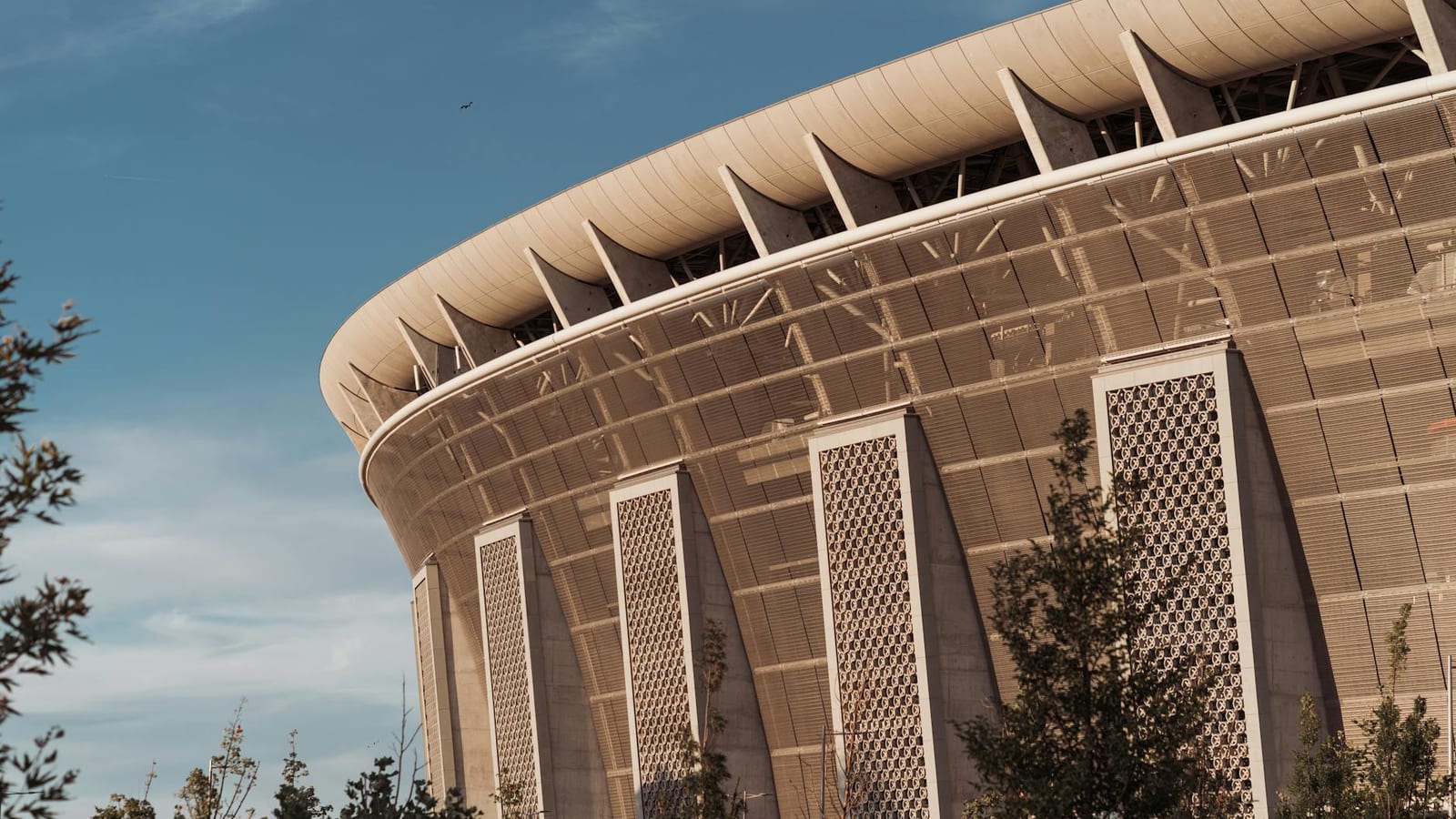
The Champions League final has landed inside a stadium built for glory, diplomacy, and argument. It is the Ferenc Puskas Stadium, a 600 million euro showpiece from Viktor Orban’s long years in power.
Now Orban is out. Peter Magyar, Hungary’s new conservative, pro-European prime minister, has promised a break from the past. Yet he will also be in the stands, sharing the same football stage as the man he defeated.
Budapest gets Europe’s biggest match
This is the first Champions League final hosted in Hungary’s capital. For a country outside Western Europe’s usual football power centres, that matters.
The Ferenc Puskas Stadium opened in 2019. It carries the name of Hungary’s greatest football icon, Ferenc Puskas, who remains a national symbol decades after his death.
The stadium can hold around 67,000 people. It also has the top European football rating needed for matches of this size.
UEFA president Aleksander Ceferin had praised it at launch as a crown jewel for Hungarian football. That line now sounds less like stadium talk, and more like politics.
For Orban, this was always the point. Sport gave Hungary a global stage. Football gave him a language that ordinary voters understood.
The Champions League final completes that ambition in one sense. Even after his exit, Orban’s sporting project has brought Europe’s biggest club match to Budapest.
Orban’s stadium politics lives on
Orban ruled Hungary for sixteen years. During that time, football became part of his political identity.
He did not treat sport as weekend entertainment alone. He used it as soft power, which means influence built through culture, events, and image.
For a small country, that strategy can be tempting. You may not command the world economy. You can still host the world’s cameras.
India understands this instinct well. We saw it during the G20 summit, the Cricket World Cup, and big-ticket global gatherings. Stadiums and ceremonies tell a country’s story, sometimes louder than policy papers.
But Hungary’s case carries a sharper edge. The Ferenc Puskas Stadium cost nearly 600 million euros. Critics have long questioned whether that money served football fans, political branding, or both.
That is the uncomfortable part. A shiny stadium can inspire pride. It can also raise hard questions about schools, hospitals, housing, and local services.
A family buying match tickets sees the glamour. A taxpayer sees the bill. Both views can be true at the same time.
Magyar inherits a disputed stage
Magyar’s presence at the final is politically delicate. He won a clear mandate on April 12 and promised what he called a regime change.
He is conservative, like Orban in broad ideological terms. But he has projected himself as more pro-European, and less combative with Brussels.
Yet football binds both men. Magyar plays the sport himself. His sons do too. He cannot easily ignore a match of this scale in his own capital.
That creates a classic political bind. If Magyar skips the final, he looks petty. If he attends, he stands inside Orban’s grandest sporting symbol.
For ordinary Hungarians, this is more than leader-versus-leader theatre. It asks whether a country can use projects built by one political era without endorsing that era.
India has seen this too. New governments rename schemes, review projects, and attack old priorities. But they still cut ribbons on roads, airports, and stadiums planned before them.
Public infrastructure has a long life. Political credit has a short one. That gap often creates awkward pictures.
Why India should care
At first glance, PSG versus Arsenal in Budapest looks like a European sports story. For Indian readers, the deeper lesson lies elsewhere.
Countries now compete for attention as fiercely as companies do. A Champions League final, an Olympics bid, or a Formula 1 race can shape global reputation.
This matters to India because New Delhi also wants to host bigger global events. The logic is simple. Bring the world in, show capacity, attract money, and build confidence.
But Hungary’s experience is a reminder. Prestige projects need public trust. Without it, every stadium becomes a political argument with floodlights.
The economics also matter. A final brings fans, hotel bookings, broadcast attention, and city spending. For local businesses, that weekend can feel like a festival.
Taxi drivers, restaurants, small hotels, souvenir sellers, and event workers all benefit when a city hosts global football. That part is real.
But one weekend rarely justifies a vast public bill by itself. The longer test is whether the stadium stays useful after the cameras leave.
Does it host regular matches? Does it bring concerts and events? Does it help youth sport? Or does it sit like an expensive monument?
That is the question every government should answer before building such places. Not after.
Football, power and public memory
The match also says something about Europe’s changing politics. Hungary has spent years arguing with European institutions over democracy, courts, migration, and national sovereignty.
Now Budapest hosts a UEFA final watched across the continent. That creates a strange mix of tension and legitimacy.
Sport often does this. It welcomes governments that politics may criticise. It prefers smooth logistics, big venues, and broadcast certainty.
That does not make UEFA unusual. Most global sports bodies work this way. They need hosts who can deliver.
For fans of PSG and Arsenal, the politics may be background noise. They want goals, drama, and a night to remember.
Still, no major final floats above politics. The venue, the spending, the guest list, and the symbolism all carry meaning.
Orban may no longer run the government. But on Saturday, his stadium will frame the picture. Magyar may promise a new Hungary. But he will watch from inside an old rival’s legacy.
That is what makes this final interesting beyond the scoreline. It shows how leaders use sport to outlast their terms, and how successors must live with what they inherit.
For Indian readers, the message is plain. Big events can lift national pride and bring real business. But public money must buy more than a weekend of applause. Once the final whistle goes, citizens still ask the same question: did this grand stage make everyday life better?