China mine blast kills 80 as Shanxi safety lapses probed
A coal mine explosion in Shanxi killed at least 80 workers and sent 123 to hospital, renewing scrutiny of China's industrial safety record.
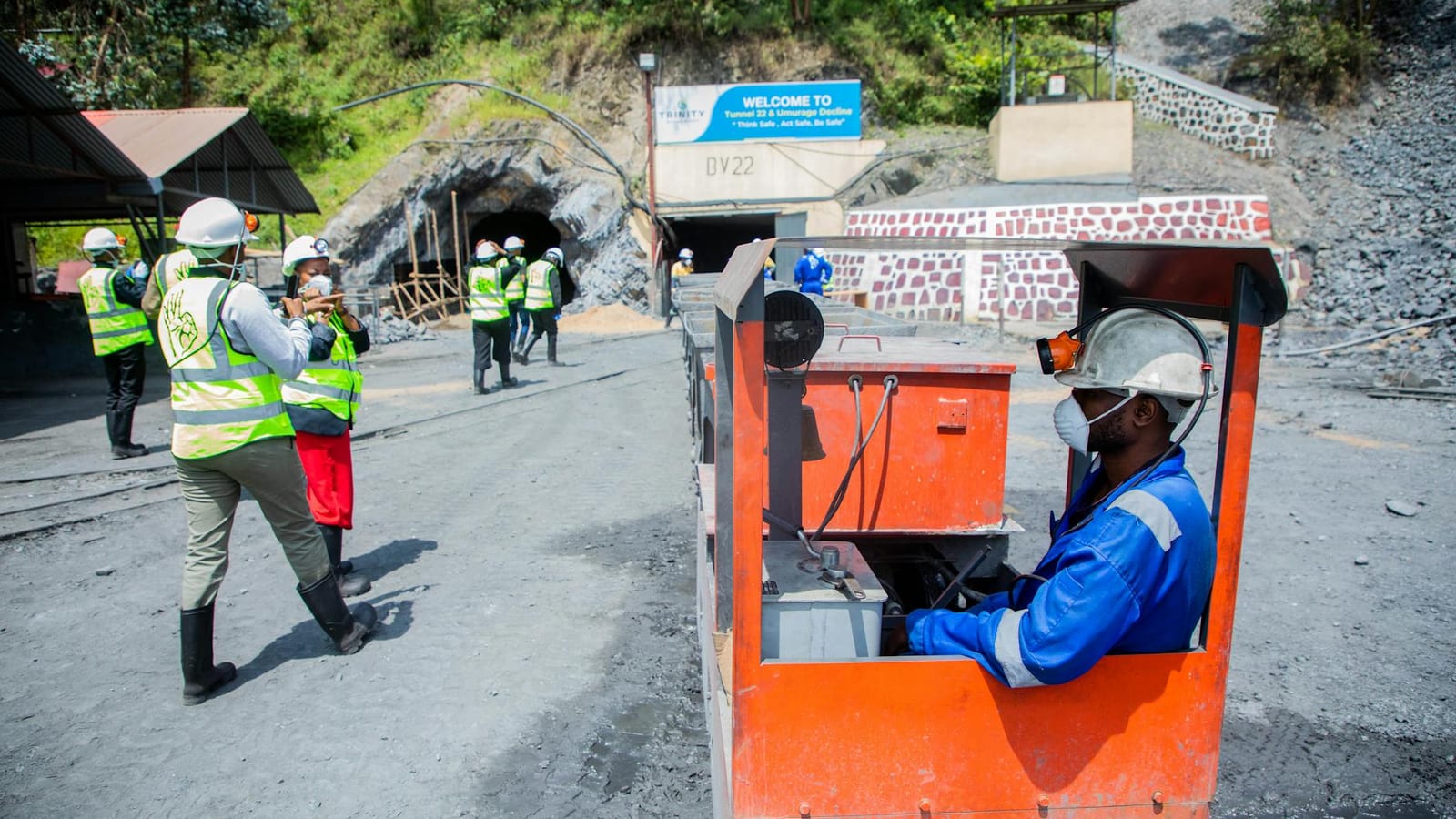
A coal mine blast in China has left families waiting outside hospitals, again asking an old question. How many lives must cheap energy keep costing?
At least 80 miners died after an explosion ripped through the Liushenyu coal mine on Friday night. Another 123 workers were taken to hospital, with four in grave condition, state broadcaster CCTV said.
For India, this is not some distant industrial tragedy. It is a sharp reminder from the world’s largest coal consumer to the world’s second largest. Coal still powers homes, factories, trains, data centres, and political promises.
Shanxi blast exposes coal’s cost
The explosion took place at the Liushenyu coal mine in Shanxi, about 500 kilometres southwest of Beijing. Shanxi is one of China’s coal hearts, a province built around mines, trucks, rail lines, and power plants.
CCTV said 247 miners were underground when the blast happened. Emergency and medical teams sent 755 personnel to the site. Images showed helmeted rescuers, stretchers, and ambulances moving through a grim, familiar scene.
Chinese authorities pointed to “serious violations” by the mining company. Beijing has promised strict punishment for those responsible. It has also ordered a nationwide crackdown on illegal mining activity.
That phrase, illegal mining, carries weight in Asia. It often means a mix of weak checks, rushed output, hidden risks, and local pressure. When demand rises, safety can become paperwork.
China has made its mines safer over the past two decades. Yet coal remains dangerous work. Gas explosions, tunnel collapses, flooding, and equipment failures still kill workers with painful regularity.
This blast is being described as the country’s deadliest mining accident since November 2009. In that earlier disaster, a gas explosion in Heilongjiang killed 108 people.
Why China still digs deep
China talks loudly about clean energy. It also builds solar panels, batteries, and electric vehicles at a scale no other country can match.
But when the lights must stay on, coal still does the heavy lifting. China consumes more coal than any other nation. Its factories, steel plants, and power grids still depend on it.
That is the blunt truth behind the climate debate. Rich countries speak of deadlines. Developing and industrial powers speak of reliability, jobs, and electricity prices.
For a Chinese miner’s family, this argument is not academic. Coal means wages, schooling, medical bills, and food on the table. It also means daily risk below the ground.
India knows this bargain too well. From Jharkhand to Chhattisgarh, coal towns live with the same tension. Mines bring salaries and contracts. They also bring accidents, dust, displacement, and fear.
A power cut in a metro city becomes a headline. A miner’s death in a remote belt often becomes a line in a report. That imbalance is the real politics of coal.
China’s government now faces a familiar test. It can arrest managers, suspend operations, and announce inspections. But the harder task lies deeper.
It must ask why violations survived long enough to kill so many workers. It must ask who looked away, who signed off, and who chased output at any cost.
The India lesson is uncomfortable
India should watch this disaster closely, not with smugness, but with unease. We are also trying to grow fast while keeping electricity affordable.
The Coal India system feeds a large part of our power demand. Private mining is expanding. States want revenue. Industries want cheaper energy. Households want fewer outages.
That pressure does not vanish because we install solar panels. Renewable energy is growing, but coal still anchors the grid. During heatwaves, when AC demand spikes, coal plants become politically vital.
This is where safety often gets squeezed. Contractors change. Targets rise. Smaller suppliers enter the chain. Local officials face pressure to keep production moving.
India has improved mine safety over the years. But the risks remain real, especially where informal work, subcontracting, and weak monitoring enter the picture.
The Chinese accident should push Indian regulators to ask direct questions. Are gas sensors working? Do emergency drills happen properly? Are workers trained to stop unsafe work?
These are boring questions until they save lives. Then they become the only questions that matter.
For ordinary Indians, coal can feel invisible. We see the switch, the bill, and the fan. We rarely see the worker who entered a shaft hours before the electricity reached our homes.
That distance makes policy easier to sell. It also makes human cost easier to ignore.
A crackdown may not be enough
Beijing’s promised crackdown will likely move quickly. China’s system can shut mines, punish firms, and discipline officials faster than most democracies.
But crackdowns have a short memory. They often peak after a disaster, then fade when production targets return.
The deeper issue is incentive. If local economies depend on coal, local systems learn to protect output. If penalties feel cheaper than safety, violations continue.
This is not only a Chinese problem. Many countries face the same trap. The state wants growth, industry wants fuel, and workers carry the danger.
China’s coal sector sits at the centre of a larger global contradiction. The world wants cheap goods, cheap power, and quick decarbonisation. Those goals often collide underground.
For India, the strategic angle is clear. China’s energy system still rests on old fuel, even while it dominates new clean technologies. That dual strength gives Beijing power.
It can run factories on coal today and sell green equipment for tomorrow. India cannot ignore either side of that playbook.
New Delhi must therefore do two things at once. It must keep energy secure. It must also reduce the human price of that security.
That means stronger mine inspections, real penalties, and better technology underground. It also means treating miners as skilled workers, not disposable labour in a national growth story.
The Liushenyu blast will soon become a statistic in China’s industrial record. For the families waiting outside hospitals, it will remain a before-and-after moment. For India, it should be a warning heard before the next summer peak, when demand rises and coal belts are asked to dig faster. Cheap power is never truly cheap if workers keep paying the bill first.