China mine blast kills 82, exposes coal safety risks
A coal mine explosion in Shanxi killed 82 miners, injured 128 and left two missing, renewing scrutiny of China's hazardous coal dependence.
Eighty-two miners went to work in China on Friday evening and never came back.
The blast at the Liushenyu coal mine in Shanxi is not just another industrial accident. It is a brutal reminder that the world’s clean-energy champion still runs, deep down, on coal, sweat, and dangerous shafts.
For Indian readers, this story should feel uncomfortably familiar. We also live with the same bargain. Cheap power keeps factories, homes, trains, and data centres running. But someone often pays the hidden price first.
Shanxi blast exposes coal’s cost
The explosion took place on Friday evening, around 7.30 pm, near Changzhi city in Shanxi province. Authorities said 247 miners were underground when the blast ripped through the mine.
By Saturday evening, the toll stood at 82 dead, 128 injured, and two missing. Earlier figures had shifted through the day, which often happens in large disasters.
Emergency teams rushed hundreds of rescuers, medics, and support workers to the site. Officials said more than 700 personnel joined the rescue and relief operation.
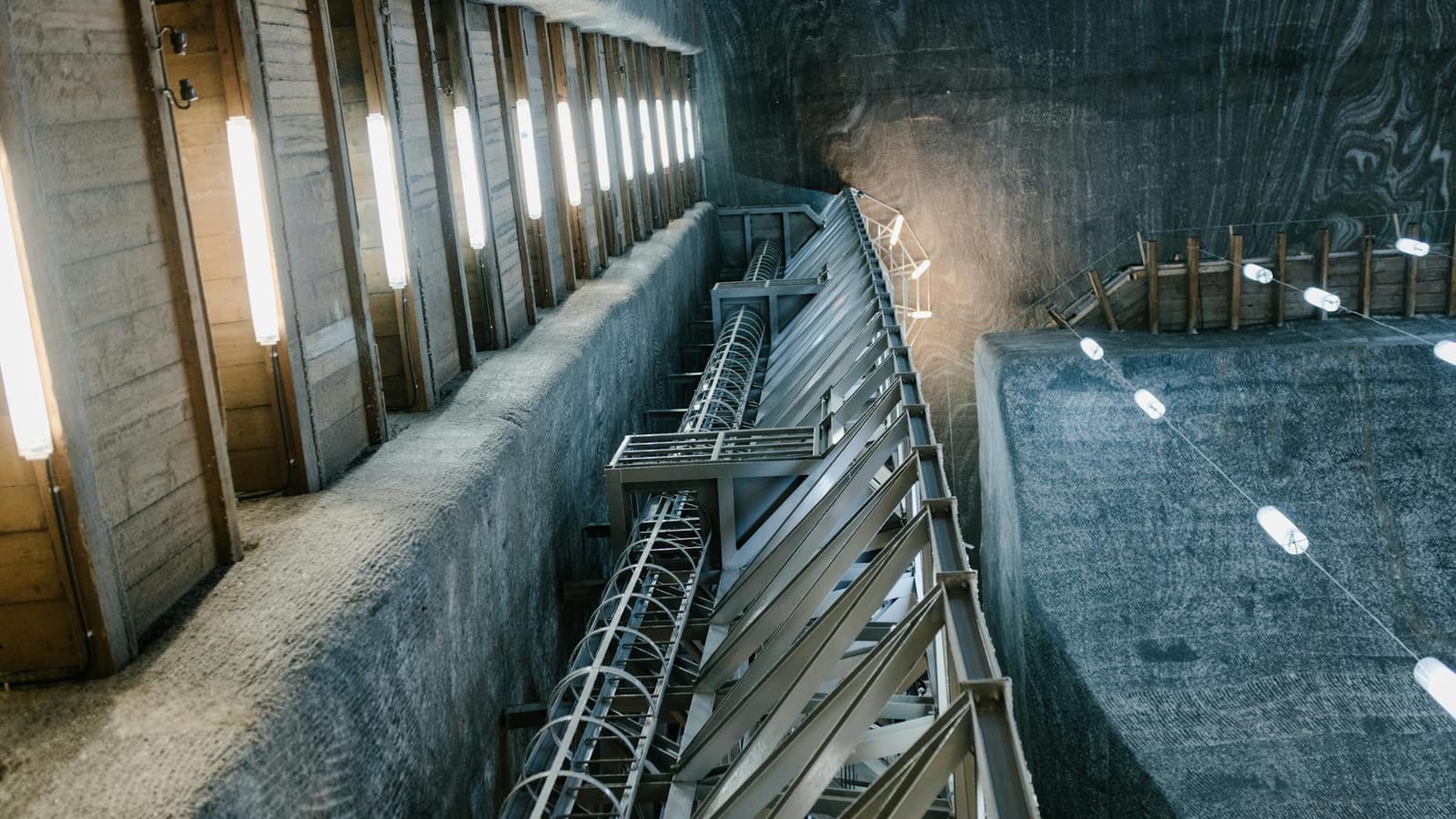
Some reports from the rescue effort described flooded underground galleries. Boats had to be taken deep inside the mine, around 300 metres below ground, to reach parts of the shaft.
That detail tells you enough. This was not a neat rescue on open land. It was dark, wet, unstable, and dangerous for the teams going in after the blast.
Officials blame serious violations
Chinese authorities have accused the mine operator of serious illegal conduct. Local officials said the company had committed major violations, though the full findings are still awaited.
Beijing has promised strict punishment for those responsible. It has also ordered a wider crackdown on illegal mining activity across the country.
That sounds tough, and China often moves fast after disasters. But the harder question comes later. Why did these risks survive until dozens of workers died?
One detail from the early rescue accounts is especially troubling. Mine layout maps reportedly did not match the actual underground galleries.
For a rescue team, that is not a paperwork error. It can mean lost time, wrong routes, and greater danger for survivors and rescuers.
In mining, a bad map can be as deadly as bad machinery. Underground, every minute and every metre matters.
China still depends on coal
China has built solar panels, wind turbines, and electric vehicles at a pace no country can ignore. It dominates many clean-energy supply chains today.
Yet coal still supplied about 56 percent of China’s energy consumption. That figure explains why mines like Liushenyu remain central to its economy.
Coal keeps Chinese industry humming. It powers steel plants, chemical units, factories, apartment blocks, and export hubs.
This is the contradiction at the heart of China’s rise. It wants to lead the green transition, but it cannot quit coal quickly.
India faces a similar trap. We talk about renewables, green hydrogen, and electric mobility. But coal still carries the base load of our power system.
A factory owner in Gujarat or Tamil Nadu does not think in climate charts. He wants steady electricity at a price he can survive.
A family in a smaller Indian city does not care whether power came from coal or solar. They care whether the fan runs in May.
That is why coal has political staying power. It is dirty, risky, and old-fashioned. It is also reliable, familiar, and embedded in daily life.
The safety lesson for India
India should not treat the Shanxi disaster as a distant Chinese tragedy. Our own coal belt knows these risks too well.
From Jharkhand to Chhattisgarh, mining communities live close to danger. Workers enter shafts knowing that rules on paper do not always match practice underground.
India’s coal sector has improved in parts, especially in larger organised mines. But informal extraction, poor oversight, and pressure to raise output remain serious concerns.
The lesson from Shanxi is simple. Modern equipment alone does not make mining safe. Enforcement does.
If managers hide unsafe galleries, ignore gas levels, or push workers into risky zones, technology cannot save lives.
The state must ask boring questions every day. Are ventilation systems working? Are maps current? Are emergency exits usable? Are inspections honest?
Those questions do not trend online. They rarely make speeches. But they decide whether a miner returns home after his shift.
Energy transition has human stakes
The Shanxi blast also shows why the energy transition cannot be discussed only through targets. It is not just about gigawatts and carbon cuts.
For coal workers, transition means livelihoods. For consumers, it means bills. For governments, it means avoiding blackouts.
For miners, it means something more immediate. It means whether their workplace remains dangerous while the world slowly moves to cleaner power.
China’s disaster comes at a time when global energy politics is shifting. The West lectures on emissions, China sells clean-energy hardware, and India argues for development space.
But below all that diplomacy, miners still enter the earth to feed the grid.
That is the part policy papers often miss. The green transition will not feel real until it protects the people trapped in the old energy economy.
China will likely punish some officials and company executives after this blast. It may shut unsafe mines and launch inspections. That is the familiar cycle after large disasters.
The bigger test is whether safety survives after public anger fades. India should watch that closely, because our own energy future carries the same warning.
Coal will not disappear tomorrow. Until it does, every tonne pulled out of the ground must come with a simple promise: power for millions should not mean death for those who dig it out.