Farage's Reform UK rattles Britain's two-party order
Nigel Farage's Reform UK gains from voter anger in local polls, exposing strains in Britain's two-party system and a wider trust deficit.
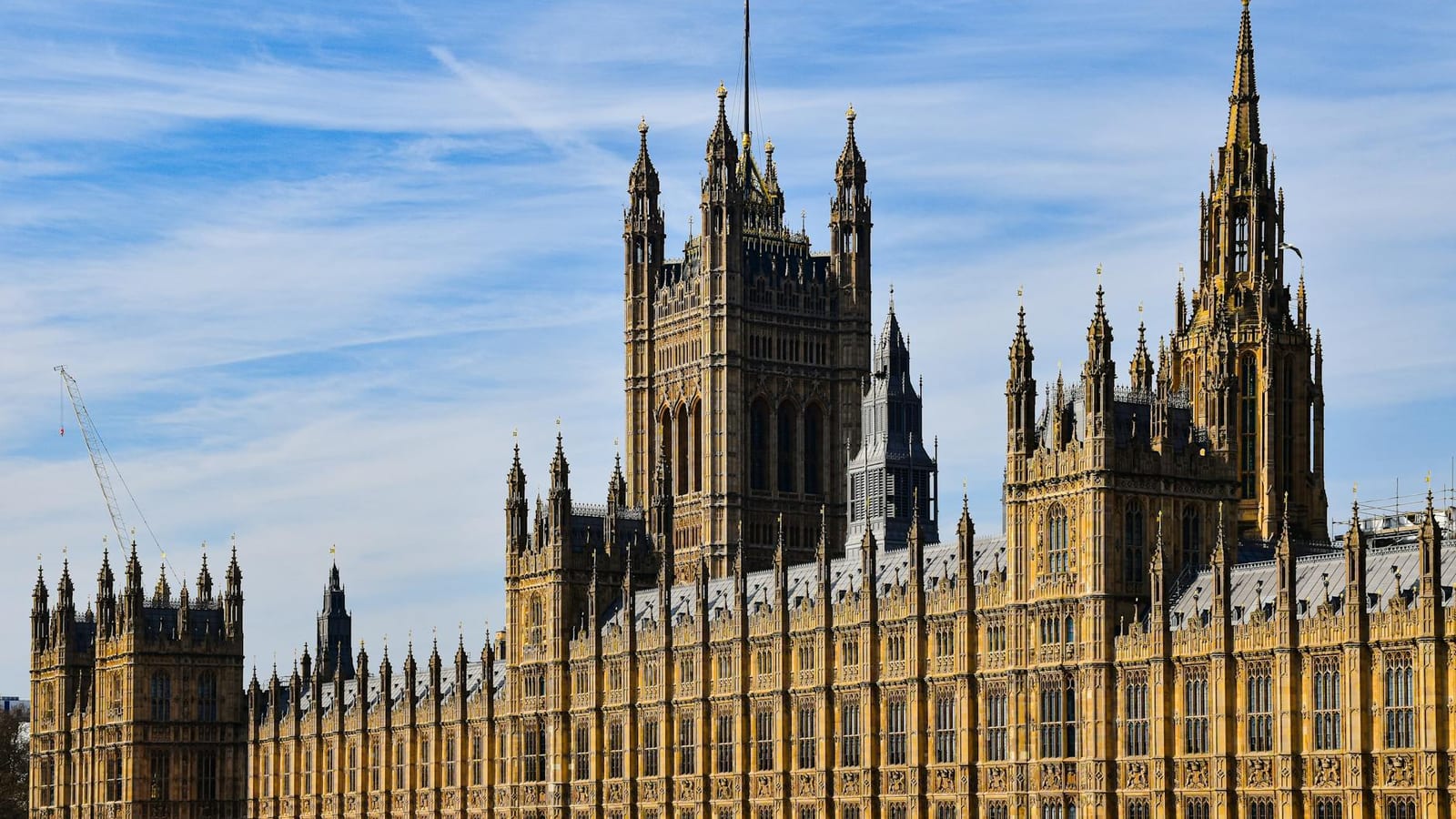
A British local election can feel far away from an Indian kitchen table. But this one carries a familiar warning. When voters stop trusting old parties, politics stops behaving politely.
The United Kingdom is now looking at a five-party political field inside a system built for two big players. That mismatch is making Westminster look shakier than usual.
For Indians watching from a distance, the lesson is simple. Rich democracies also wobble when voters feel ignored for too long.
Farage finds Westminster’s weak spot
Nigel Farage has built his career on spotting cracks before others admit they exist. The latest local elections have given him another opening.
Researcher Catherine Marshall argues that Farage has emerged as the big winner from Britain’s May 7 local vote. Her point is not only about seats. It is about mood.
Reform UK is pushing into a space once owned mainly by Conservatives. It speaks to voters angry about migration, public services, crime, and falling living standards.
That anger does not always follow neat policy logic. It often begins with daily frustration. A delayed hospital appointment, a closed local shop, or rent that climbs faster than wages.
Farage understands that politics now moves on emotion first. He frames himself as the outsider taking on a tired club. That line still works because many voters believe the club failed them.
A two-party machine under strain
Britain’s system rewards large parties. Its first-past-the-post model usually turns voter choices into clear governments. India knows this system well, because we inherited the same basic voting method.
But the British party map no longer looks simple. Conservatives, Labour, Liberal Democrats, Greens, and Reform UK now divide attention and votes.
That creates a strange pressure. Voters may scatter across five options, yet Parliament still works through old rules. The result can look unfair, even when it follows the law.
Marshall points out that Britain has seen political convulsions before. The 1970s brought economic pain, two general elections in 1974, and a minority government that fell in 1979.
So this is not the first time Westminster has sweated. But today’s crisis feels different because public patience is thinner. Social media also turns every grievance into a national argument within minutes.
Britain’s constitutional map has grown more complicated since devolution under Tony Blair in 1998. Scotland, Wales, Northern Ireland, and England do not always move politically in the same rhythm.
Different voting systems also make local results harder to read. That confusion feeds the feeling that the whole machine is jammed.
Starmer’s mandate faces a test
Keir Starmer won a huge Labour victory in July 2024. On paper, that should have ended years of Conservative chaos.
But turnout weakened the moral force of that win. A large parliamentary majority does not always mean deep public enthusiasm.
Starmer also inherited a country in poor shape. Britain’s economy has dragged for years. The National Health Service remains under heavy pressure. Illegal migration and crime remain politically sharp issues.
No prime minister could solve all that quickly. Marshall argues that even without foreign policy pressure and political missteps, Starmer had little chance of repairing Britain in under 20 months.
That matters because Farage has questioned Starmer’s legitimacy. This is where British politics enters dangerous ground.
In a parliamentary democracy, a prime minister governs by winning seats under agreed rules. If opponents reject those rules after losing, the contest shifts from policy to legitimacy.
India has seen versions of this argument too. Parties often question mandates, institutions, and procedures when politics gets bitter. The difference is scale and context, but the pattern is recognisable.
Once voters believe every result is somehow suspect, compromise becomes harder. The loser no longer waits for the next election. He attacks the referee.
Why India should watch closely
For India, Britain’s turmoil is not just Westminster gossip. The UK remains a key partner for trade, education, finance, defence, and migration.
Thousands of Indian families track British visa rules because their children study or work there. Indian companies care about tax policy, labour rules, and market confidence.
A shaky British government can slow decisions on trade and investment. It can also harden immigration politics, which directly affects Indian students and professionals.
There is another reason to pay attention. Britain’s crisis shows what happens when economic pain meets political nostalgia.
Brexit promised control, pride, and relief from distant power centres. Many voters backed it because they felt their communities had lost out.
But leaving the European Union did not magically fix housing, wages, hospitals, or migration pressures. That gap between promise and delivery now feeds fresh anger.
Farage benefits from that gap. He can say the old parties mishandled Brexit. He can also argue that deeper change is still needed.
This is a familiar script across democracies. First comes frustration. Then comes a leader who says the system itself is the problem. After that, institutions begin to look like obstacles.
For Indian readers, the British story carries one sharp reminder. Democracy needs more than elections. It also needs shared trust in the rules after the votes are counted.
Britain is not collapsing. That would be too dramatic. But it is clearly struggling to make an old political design fit a restless, fragmented society.
The next British general election may still be years away. Yet the real test has already begun. Can Westminster absorb public anger without breaking its own habits?
For ordinary people, that answer will matter in very practical ways. It will shape jobs, migration, public services, and prices.
For India, it will shape how reliable Britain remains as a partner in a world already short of steady hands.