Hormuz risk puts India's fuel prices on fresh alert
Iran's reported halt in US talks raises Strait of Hormuz worries, exposing India to costlier crude, shipping pressure and inflation risks.
A petrol pump in India can feel a tremor from West Asia before most people notice the map.
Iran has reportedly stopped talks with the United States, and the threat now hangs over the Strait of Hormuz. That narrow sea lane is not just a diplomatic phrase. It is one of the world’s most sensitive oil routes.
Tasnim, Iran’s news agency, said Tehran linked the move to continuing Israeli attacks in Lebanon. For India, this is not a distant war bulletin. It is about fuel bills, shipping costs, inflation, and the rupee.
Hormuz threat raises oil fears
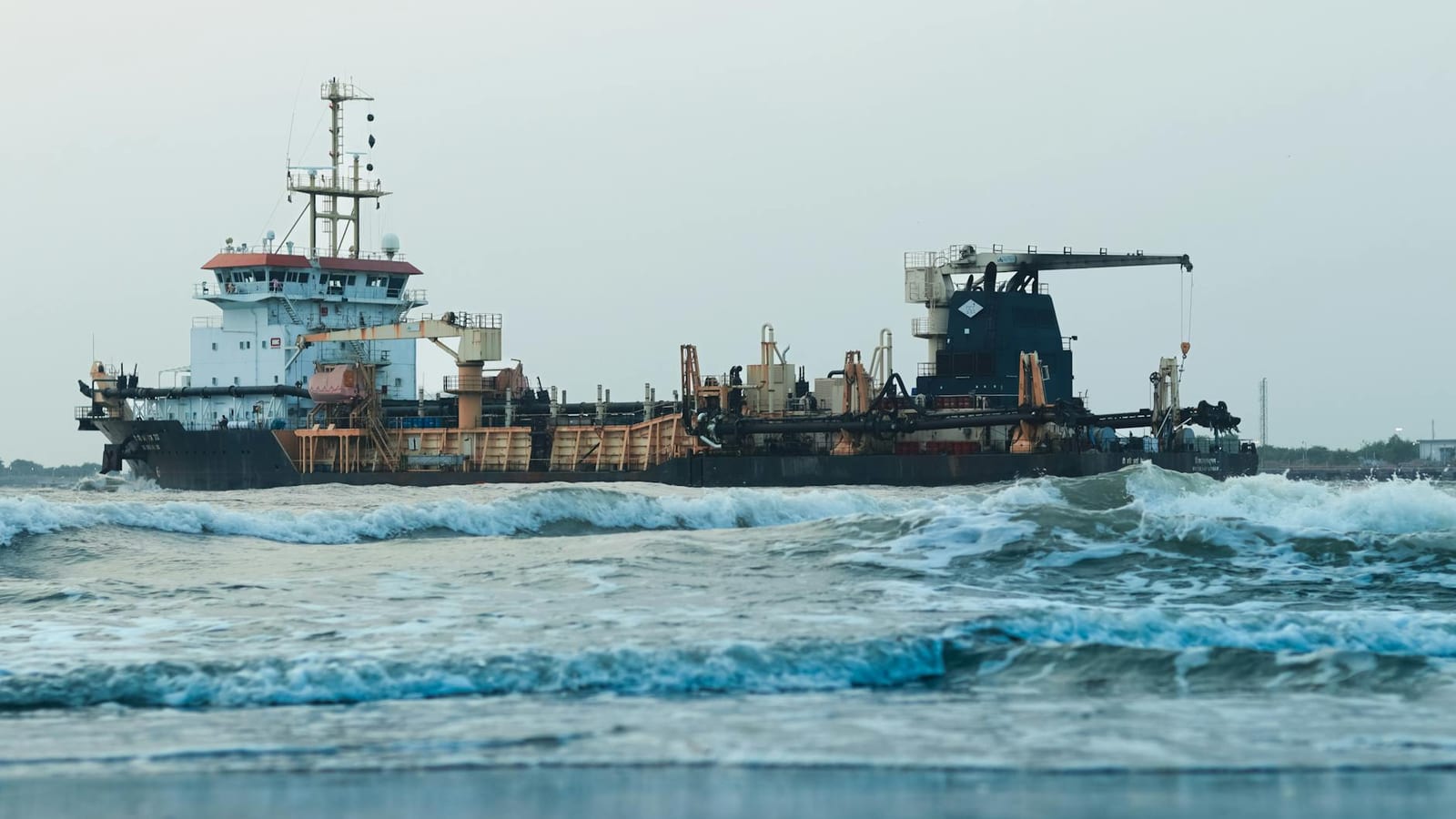
The Strait of Hormuz sits between Iran and Oman. A huge share of global oil and gas moves through it.
When Tehran hints at blocking it, markets listen immediately. Traders do not wait for missiles or naval orders. They price fear first.
For India, that matters because energy imports still shape daily life. A jump in crude prices can push up petrol, diesel, aviation fuel, and freight rates.
That eventually reaches ordinary households. Vegetables cost more when trucks pay more for diesel. Flights become dearer when aviation fuel rises. Factories feel the pinch when power and transport costs climb.
A complete blockade would be extreme. It would also invite a heavy global response. But even a partial disruption can raise insurance and shipping costs.
That is the cruel part of energy politics. Prices can rise even before supply actually falls.
Lebanon war widens the risk
Israel expanded its military offensive in Lebanon over the weekend. Its forces reportedly captured the Beaufort fortress, a historic Crusader-era site in southern Lebanon.
That matters beyond symbolism. The advance marks Israel’s deepest push into Lebanon in around 25 years.
Iran has now cited those attacks as the reason for breaking off talks with Washington. In plain terms, one battlefield is bleeding into another negotiation table.
This is how West Asian crises spread. A strike in Lebanon affects Iran’s posture. Iran’s posture affects American diplomacy. American diplomacy affects oil traders in Singapore and Mumbai.
That chain may sound dramatic, but India has seen it before. The Gulf War, the Iraq invasion, and later tanker tensions all showed the same pattern.
The region does not need a formal regional war to hurt consumers. It only needs enough uncertainty to make trade expensive.
Washington’s dealmaking problem deepens
The halt in talks also carries a political message. Tehran seems unwilling to continue negotiations while Israeli operations expand in Lebanon.
For Washington, this is a familiar trap. It wants influence over Israel, pressure on Iran, and calm in energy markets. Those goals often pull in different directions.
The United States can sanction Iran, talk to Iran, and arm Israel at the same time. But Tehran reads those moves as one connected policy.
That is why the timing hurts. Diplomatic channels need quiet signals and face-saving space. Military escalation destroys both.
India will watch this carefully. New Delhi has good ties with Israel, long civilisational links with Iran, and deep energy interests in the Gulf.
It cannot afford a simplistic camp politics approach. Indian diplomacy usually works best when it keeps doors open across rival capitals.
That approach may look dull on television. But in a crisis, dull diplomacy often protects real national interests.
Why India cannot look away
India’s first worry will be oil prices. The second will be Indians living and working across the Gulf.
Millions of Indian families depend on salaries earned in the region. Any serious maritime or military escalation creates anxiety far beyond foreign ministries.
There is also the trade angle. The Gulf is a major market for Indian goods and services. It is also a key source of remittances, energy, and investment.
A kirana store owner in a tier-2 city may not follow Hormuz daily. But he will notice when transport costs rise.
A young professional paying a home loan may not track tanker insurance. But she will feel inflation if fuel and food climb together.
That is the Indian angle Western coverage often misses. For us, West Asia is not just strategy. It is family income, fuel security, and kitchen budgets.
India has tried to diversify crude supplies in recent years. It has bought more from Russia, the United States, and other suppliers when prices allowed.
Still, geography does not disappear. The Gulf remains central to India’s energy map. Hormuz remains one of its most sensitive pressure points.
Markets will test every signal
The next few days will matter because markets react to signals before governments confirm policy.
If Iran repeats the Hormuz threat, crude may harden quickly. If back-channel diplomacy resumes, prices may cool just as fast.
Israel’s next military steps in Lebanon will also shape the mood. A deeper offensive could make Iranian restraint harder.
Washington will have to decide whether it can separate nuclear or peace talks from the Lebanon battlefield. Tehran appears to be saying it cannot.
India’s best response will be quiet readiness. That means energy planning, shipping risk checks, and close contact with Gulf partners.
It also means clear public communication if fuel markets turn volatile. People tolerate hard news better than confusing silence.
For now, the story is still at the warning stage. Hormuz has not shut. Talks may yet restart. Militaries and diplomats often move in parallel, however messy that looks.
But the lesson is plain. In a connected world, a fortress in southern Lebanon can still matter to a petrol pump in Pune. And when the sea lane near Iran starts looking risky, Indian households rarely stay untouched for long.