Iran to base in Mexico for 2026 World Cup matches
Iran will train in Tijuana while playing its 2026 World Cup group games in the US, after Mexico agreed to host the team near the border.
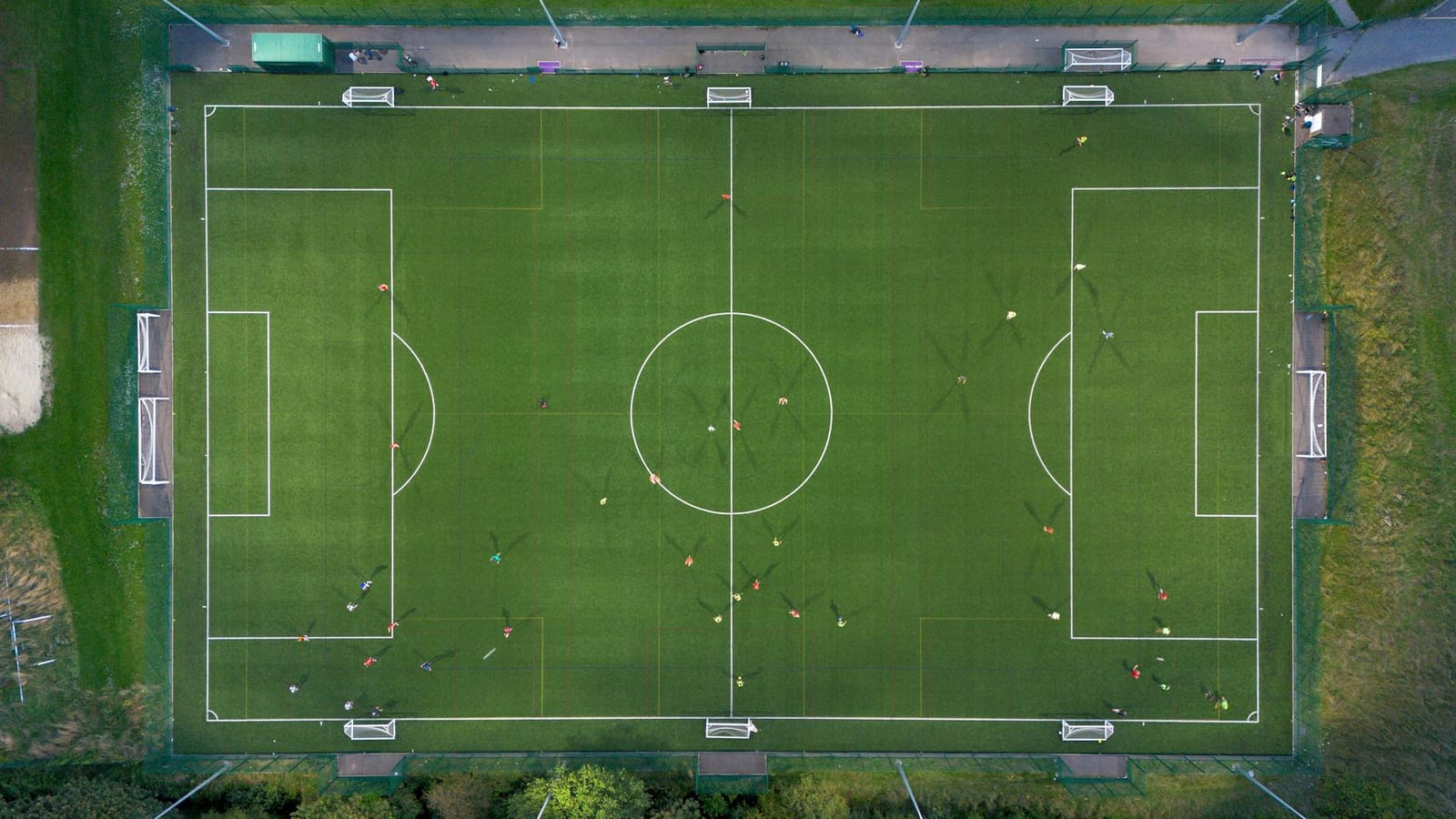
A football camp in Tijuana has suddenly become a small map of global politics.
Iran will play its 2026 World Cup group matches in the United States. Yet its team will sleep, train, and prepare across the border in Mexico. That one logistical choice says plenty about sport, visas, and the hard edges of diplomacy.
For Indian fans, this is not just a World Cup oddity. It is a reminder that global sport no longer sits outside politics. It often becomes the cleanest place to see politics at work.
Iran chooses Mexico over America
Mexico has agreed to host Iran during the 2026 FIFA World Cup, Mexican President Claudia Sheinbaum said on Monday.
Sheinbaum said the United States did not want the Iranian team based on American soil. Iranian officials then asked whether Mexico could host the squad instead. Mexico said yes.
That answer may sound routine. In World Cup planning, it is anything but. Base camps matter because teams spend most of the tournament there. Players train there, recover there, meet coaches, handle media, and keep their rhythm.
Iran will now set up camp in Tijuana, right near the US border and close to San Diego. The team will train at Centro Xoloitzcuintle, a facility linked to the city’s football ecosystem.
For the players, the arrangement gives them a working solution. For officials, it avoids a diplomatic mess before the first whistle.
The visa problem behind the move
Iran’s football federation president, Mehdi Taj, said the choice helps solve visa problems. He said entering through Mexico would ease issues linked to the number of US visas available.
This matters because Iran’s three group matches are all in the United States. Team Melli, as Iran’s national side is known, will start against New Zealand in Los Angeles on June 15. It then faces Belgium in Los Angeles on June 21.
Iran’s final group match will be against Egypt in Seattle on June 26.
On paper, that means the team still needs to enter the United States for matches. But basing the squad in Mexico reduces the need for a larger long-stay presence inside America. It gives organisers more room to manage paperwork, travel, and security.
Taj also pointed to geography. The flight from Tijuana to Los Angeles takes about 55 minutes. For footballers on tight recovery schedules, that is almost like a short domestic hop.
This is where ordinary fans often miss the real story. A World Cup campaign is not only about skill. It is also about sleep, food, training grounds, medical routines, and travel stress. Small disruptions can become big disadvantages.
Football meets frozen diplomacy
The United States and Iran have had no diplomatic relations since 1980. That rupture followed the hostage crisis at the US embassy in Tehran.
More than four decades later, even a football tournament cannot escape that history. The 2026 World Cup will be hosted by the United States, Mexico, and Canada. That format was meant to show North American scale and coordination.
Yet Iran’s case shows the limits of that neat picture. A team can qualify for a global tournament, but still run into the realities of power, borders, and suspicion.
FIFA has confirmed the base camp locations for all 48 qualified teams. That includes Iran’s camp in Tijuana. The world body now has to keep the tournament running while host countries handle their own political concerns.
Sheinbaum said Mexican authorities were finalising the details with FIFA. Her message was simple. Mexico can host Iran, and it sees no problem doing so.
That line will play well in Mexico, where hosting duties bring visibility and pressure. It also gives Mexico a quiet diplomatic role. The country is not just staging matches. It is helping the tournament absorb a dispute between two old adversaries.
Why India should watch closely
Indian readers should pay attention because this is the future of global sport. Big tournaments now sit at the crossing point of security, migration policy, money, and public image.
India knows this tension well. We have seen visas affect cricket tours, diplomatic freezes affect sporting calendars, and political moods shape who travels where. Sport can build bridges, yes. But it often needs paperwork before poetry.
The Iran case also tells us something about a shifting world order. The United States remains the biggest stage. But it does not control every solution around that stage.
Mexico has become the practical workaround. FIFA has accepted the arrangement. Iran has found a route that keeps its team in the tournament without turning base-camp planning into a diplomatic hostage.
This matters for countries like India, which often deal with multiple blocs at once. New Delhi has spent years balancing ties with the US, Iran, Russia, Europe, and the Gulf. The lesson here is familiar. In today’s world, middle powers and neighbours often become the ones who make systems function.
There is another Indian angle too. Fans travelling for the 2026 World Cup may face a more complex tournament than usual. Matches will stretch across a huge geography. Immigration rules will vary. Some teams may move across borders more often than fans expect.
For a young Indian professional saving up for a once-in-a-lifetime football trip, logistics will matter as much as match tickets. Flights, visas, hotel locations, and border rules will shape the experience.
The tournament beyond the pitch
Iran’s move to Tijuana also shows how footballers carry burdens beyond sport. Players will talk about tactics, fitness, and opponents. But their tournament will unfold under a political shadow.
That does not mean every Iranian player wants to become a symbol. Most athletes want routine. They want a good pitch, clean recovery, and clarity about travel. The more politics enters the room, the harder that routine becomes.
Still, the World Cup has always reflected the world outside the stadium. Argentina in 1978, the United States in 1994, Russia in 2018, Qatar in 2022, each tournament carried its own political weather.
The 2026 edition will be bigger than any before it. Forty-eight teams will compete, up from 32. That expansion gives more nations a shot, which is good for football’s reach. It also creates more visa, travel, and security puzzles.
Iran’s camp decision is an early sign of that complexity. It is a small administrative detail with a large geopolitical echo.
For fans, the football will still matter most. Iran against Belgium will be judged by goals, not diplomatic files. New Zealand and Egypt will care about points, not border politics.
But behind the scenes, this World Cup is already showing its true shape. The pitch may be green and familiar, but the road to it runs through embassies, airports, and uneasy capitals. For India, watching from afar, the message is clear. In global sport now, the match begins long before kickoff.