Iran tensions put India’s oil costs on alert
Rising Iran tensions and Hormuz risks could push up crude freight, insurance, fuel, airline and fertiliser costs for India.
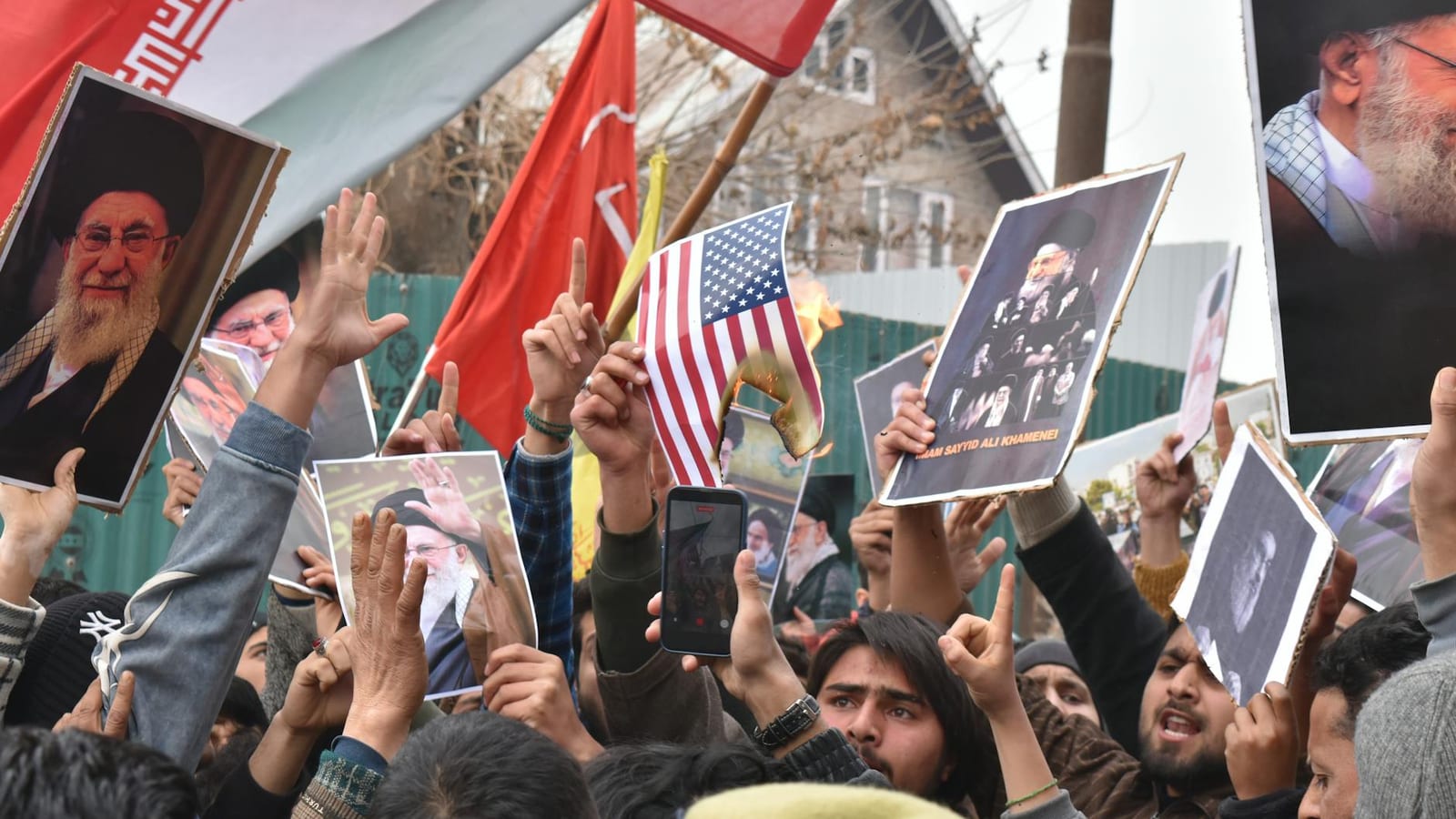
Oil traders do not need a war to panic. Sometimes one blocked waterway is enough.
That is why Washington’s latest Iran drama matters far beyond West Asia. For India, this is not distant foreign news. It sits inside petrol prices, airline routes, fertiliser costs, and the monthly budget of families already watching every rupee.
US President Donald Trump has said he will make a “final decision” on an Iran deal after talks at the White House. His conditions are blunt. Iran must not build nuclear weapons. The Strait of Hormuz must reopen. Sea mines must go. Iran’s highly enriched uranium must be destroyed.
Hormuz is the real pressure point
The Strait of Hormuz is a narrow strip of water, but it carries huge weight. A large share of the world’s oil and liquefied natural gas passes through it.
For India, that matters immediately. We import most of our crude oil. When Gulf shipping looks risky, freight costs rise. Insurance gets expensive. Oil markets start pricing fear before facts settle.
That fear reaches ordinary people quickly. Petrol pumps do not wait for diplomats to finish their sentences. Airlines, truckers, factories, and power producers all feel the squeeze.
Trump has demanded free movement through the strait and removal of mines within a fixed period. US officials also want an end to Iran’s nuclear programme and surrender of high-grade uranium.
But Iran disputes key parts of Washington’s version. Iranian officials said talks continue, but no final agreement exists. Tehran also rejected the claim that it had accepted destruction of enriched uranium.
Tehran sees a one-sided deal
Iranian officials have pushed back against Trump’s public framing. Foreign ministry spokesperson Ismail Baghai said messages are still moving between the two sides.
Reports from Tehran-linked channels say Iran wants $12 billion released from frozen overseas accounts soon after any signing. Without that money, Iran may refuse to move to the next stage.
That is not a small clause. For Tehran, frozen funds are not a footnote. They are part of the bargain. For Washington, they are bargaining chips.
The two sides also disagree on Hormuz fees and the future of uranium stockpiles. That tells us something familiar. In West Asian diplomacy, the press statement often arrives before the agreement.
US Vice President J. D. Vance said Washington and Tehran were close, but not finished. He pointed to unresolved questions around uranium and enrichment.
A possible 60-day extension of the ceasefire is also on the table. Trump still has to approve it. Until then, markets and militaries will both stay nervous.
Sanctions now target the oil route
The US has also tightened pressure on Iran’s oil trade. The State Department said Tehran uses a “shadow fleet” of old tankers with unclear ownership.
These ships help Iran sell oil despite sanctions. US officials said billions of dollars of crude have moved to China through this network.
Washington has now sanctioned several people, firms, and ships linked to that trade. The US Treasury also targeted Hong Kong-based players accused of storing, moving, and selling Iranian oil.
This matters because sanctions rarely stay neat on paper. They reshape shipping routes, banking channels, and refinery choices. They also create discounts for some buyers and risks for others.
India has seen this film before. When Western sanctions hit Russia, Indian refiners found cheaper crude. But they also had to handle payment issues, insurance limits, and diplomatic pressure.
With Iran, the equation is more sensitive. India once bought large volumes of Iranian oil. Sanctions changed that trade. A fresh crisis could keep Iranian crude out of easy reach.
China sits at the centre of this round. US officials named independent Chinese refiners as key buyers of Iranian petroleum. That makes the Iran issue part of a bigger US-China contest too.
Lebanon and Gaza deepen the fire
While the Iran talks dominate headlines, the wider region is already burning. Israel has continued strikes in Lebanon despite a ceasefire that began in April.
UNICEF said 77 children were killed or injured in Lebanon over one recent week. Its spokesperson Ricardo Pires called the figure shocking. Since the ceasefire began, the agency said 55 children were killed and 212 injured.
For Indian readers, these numbers should not become background noise. Behind every diplomatic phrase sits a family waiting near a hospital, a school shut by fear, or a child who never returns home.
Lebanon’s foreign ministry has also raised alarm over attacks near Tyre. The city is a UNESCO World Heritage site, with Phoenician and Roman ruins. War does not only kill people. It also erases memory.
Israel’s military said it carried out a targeted strike in Beirut. Lebanese reports said a residential building in the capital’s outskirts was hit. Details on casualties were not clear.
In Gaza, Prime Minister Benjamin Netanyahu has spoken of expanding Israeli control. He said he instructed the military to move towards control of 70 percent of the territory.
That is far beyond the limited pullback expected under the US-backed ceasefire arrangement. Netanyahu calls these areas buffer zones against attacks. Palestinians see them as steps towards permanent displacement.
The European Union has also sanctioned radical Israeli settler groups and individuals over violence in the West Bank. These measures freeze assets and restrict travel.
Why India should watch closely
India has three big interests in this crisis. Energy comes first. Millions of Indian households feel global oil shocks through fuel, food, and transport costs.
The second interest is the safety of Indians in the Gulf. Millions of Indian workers live across the region. Their remittances support families from Kerala to Uttar Pradesh.
The third is diplomacy. India has ties with Israel, Iran, Gulf monarchies, and the United States. That balance becomes harder when missiles fly and sanctions spread.
New Delhi usually avoids loud moral posturing in West Asian crises. It prefers evacuation plans, oil security, and quiet phone calls. That may look dull on television, but it often serves Indian interests better.
Still, silence has limits. If the conflict widens, India cannot treat it as a faraway storm. Shipping lanes, inflation, and migrant safety will force sharper choices.
There is also a larger lesson here. The old US-led order still has muscle, but less control. Iran can disrupt energy markets. China can absorb sanctioned oil. Israel can act with wide freedom. Europe can sanction settlers, but struggles to shape events.
For ordinary Indians, the question is simpler. Will fuel stay affordable? Will jobs in the Gulf remain safe? Will another war push prices up just when families are planning school fees, EMIs, and weddings?
That is why Trump’s “final decision” is not just a Washington headline. It is a signal from a dangerous neighbourhood India knows well. If diplomacy holds, the benefit may appear quietly at the petrol pump. If it fails, the cost will travel home much faster.