Israel Declares South Lebanon Combat Zone Amid Eid
Israel ordered civilians south of Lebanon's Zahrani river to leave, saying the area is now a combat zone as strikes targeted Hezbollah sites.
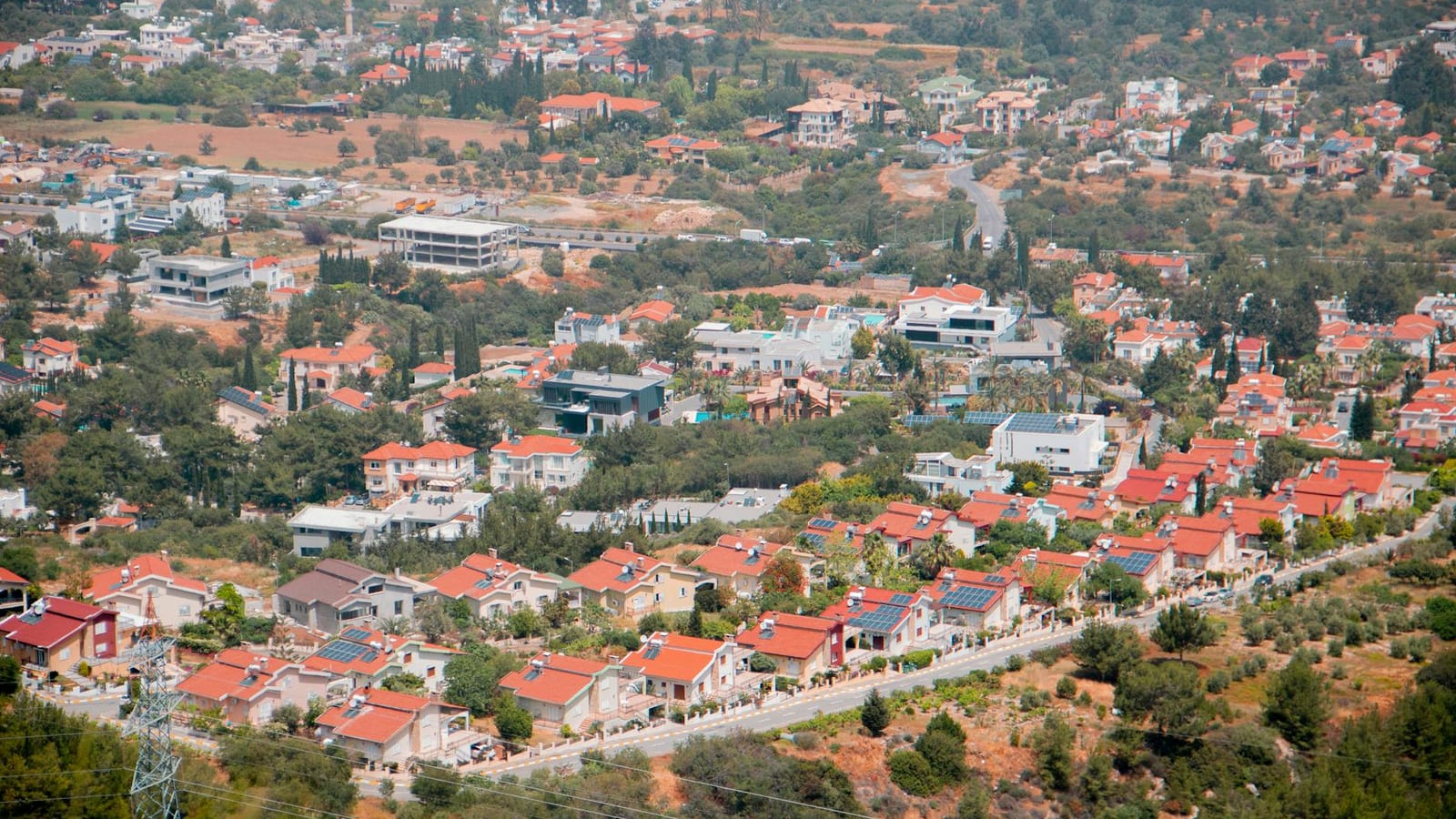
Families in south Lebanon were trying to mark Eid al-Adha when the order came: leave, and move north of the Zahrani river.
That one instruction changed the mood of a festival into the panic of another displacement. For people in Tyre, Nabatieh, and nearby towns, the question was painfully simple. Where do you go when shelters are already full?
The Israeli military has now declared the entire area south of the Zahrani a combat zone. Its Arabic-language spokesman said the army would act with heavy force against Hezbollah, accusing the group of repeated ceasefire violations.
South Lebanon faces fresh flight
The Israeli military said residents in the declared combat zone should move to the northern bank of the Zahrani. That river now works like a line on a map, but for civilians it is a line through homes, shops, farms, and memories.
Israeli strikes hit parts of southern and eastern Lebanon on Wednesday, May 27. The army said it targeted Hezbollah infrastructure and command centres. Lebanon’s state news agency reported damage in Nabatieh, while strikes also hit Tyre and its surroundings.
Hezbollah said its fighters clashed directly with Israeli forces at Zawtar El-Charkiyé. The group also claimed drone attacks on troops in northern Israel.
The location matters. Zawtar El-Charkiyé sits close to the “yellow line,” a roughly 10-kilometre strip in south Lebanon where Israeli forces have taken control. Residents have been barred from returning to several places in that area.
For Lebanese families, the military geography means little. What matters is whether the road is open, whether fuel is available, and whether relatives in Beirut can take them in.
Gaza strike adds another layer
The wider conflict did not pause in Gaza. The Israeli military said it struck two senior Hamas figures in northern Gaza on Wednesday night.
Gaza’s civil defence, which operates under Hamas authorities, said ten people died in a strike on a residential building in Gaza City. It also said several others were wounded.
The armed wing of Hamas, the Ezzedine Al-Qassam Brigades, confirmed the death of Mohammed Odeh. Israel had earlier said it killed him in a strike on Tuesday, May 26.
Hamas described Odeh as a senior commander and said his wife and children also died. Israel said he had taken over a top role after another Hamas commander was killed earlier in May.
This is the grim pattern of the war now. Israel says it is cutting into armed networks. Palestinian authorities say civilians keep paying the price inside homes, shelters, and crowded neighbourhoods.
For Indian readers, Gaza may feel distant. But its images have shaped politics from university campuses to diplomatic rooms. India has tried to balance ties with Israel, support for Palestinian civilians, and old relationships across West Asia.
Hormuz keeps India watching
The conflict is also moving across the water. South Korea summoned Iran’s ambassador after an investigation into an attack on a South Korean-operated ship in the Strait of Hormuz.
Seoul said the vessel was very likely hit by a missile from Iran’s Noor series. Iranian officials rejected the allegation and denied any role.
The ship, HMM Namu, was struck on May 4 and caught fire. South Korea said parts of the projectile appeared linked to Iranian design. The United States has also accused Iran over the attack.
Why should India care? Because Hormuz is not just another waterway. It is one of the world’s most important oil and gas routes.
A large share of the crude oil that powers Asian economies passes through these waters. When Hormuz looks unsafe, markets react quickly. Shipping firms price risk. Insurers raise costs. Oil traders start guessing the next headline.
On Wednesday, oil prices fell sharply on hopes that the strait may reopen fully and that the United States and Iran could still step back from war. Brent crude dropped more than 5 percent, while US crude also slid.
That sounds like good news for India, at least at first glance. Lower oil prices ease pressure on fuel bills, inflation, airlines, transporters, and the rupee.
But the relief is fragile. A single missile, naval clash, or misread signal can push prices up again. For a country that imports most of its crude, India watches West Asia not as theatre, but as household economics.
Trump raises the temperature
Donald Trump added another twist in Washington. The US president said he was not satisfied with Iran’s proposals for a deal to end the war.
He also spoke about the Strait of Hormuz and said it must remain open to everyone. He said no country would be allowed to control it.
Then came the confusion. Trump appeared to threaten Oman, a US ally and a frequent mediator between Washington and Tehran. It was not immediately clear if he meant Iran instead.
That matters because Oman has often played the quiet go-between in West Asia. When larger powers shout, Muscat usually keeps doors open. A public threat, even if mistaken, can complicate that role.
The White House did not immediately clarify the remark. The US State Department later reposted the comment as delivered, which only deepened the uncertainty.
This is where global politics becomes less like chess and more like traffic in Old Delhi. Everyone has a direction, everyone claims right of way, and one wrong move can jam the whole road.
Iranian television aired what it called an early 14-point framework for a possible deal with the United States. The White House dismissed it and warned people not to trust Iranian state media on the matter.
Still, both sides appear to understand the cost of a wider war. Trump said Iran wanted a deal, though he added that Washington was not yet satisfied. Tehran, for its part, played down the likelihood of renewed direct hostilities.
For India, this is the delicate bit. New Delhi has strong ties with Israel, deep energy interests in the Gulf, millions of citizens working across West Asia, and a long memory with Iran.
Any expansion of the conflict can hit Indian interests in several ways. Oil may get costlier. Remittances from Gulf workers may face stress. Shipping routes may need protection. Diplomats may have to move fast if evacuations become necessary.
The old Indian instinct in West Asia has been simple: keep channels open with everyone. That instinct now looks less like caution and more like common sense.
The next few days will test whether the region steps back from the edge or simply shifts the fighting to another front. For ordinary Indians, the story is not only about missiles and maps. It is about petrol prices, jobs in the Gulf, family members abroad, and a neighbourhood that still decides how expensive life feels at home.