Israel Expands Lebanon Strikes as Hezbollah Fires Drones
Israel says it is hitting Hezbollah sites in Lebanon as drone attacks continue, raising fresh risks for oil, shipping and Indian workers in the Gulf.
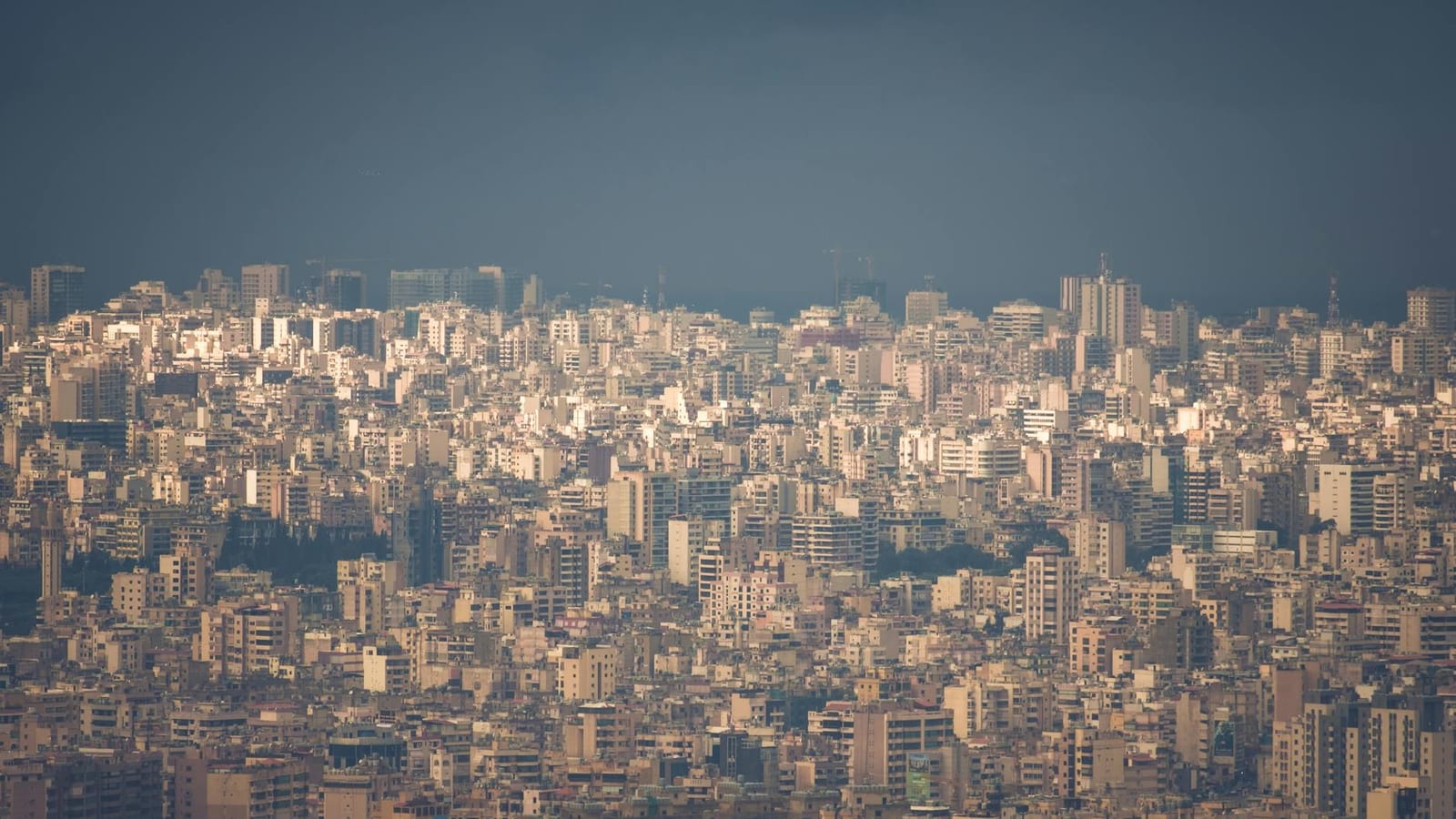
A family leaving south Beirut does not care about diplomatic language. It cares about the next safe street, the next phone call, and whether tonight brings another air raid.
That is where the Middle East stands again. Israel says it is striking Hezbollah infrastructure in Lebanon, while Washington and Tehran talk about ending wider hostilities.
For India, this is not distant noise. Every flare-up near the Gulf touches oil prices, shipping costs, migrant workers, and the fragile math of household budgets.
Israel widens the Lebanon front
The Israeli military said it was bombing Hezbollah sites in the Bekaa Valley and other parts of Lebanon. Prime Minister Benyamin Netanyahu said Israel would intensify its campaign against the group.
Netanyahu, in a Telegram video, said Israel was not slowing down. He said he had asked forces to accelerate attacks and increase their force against Hezbollah.
Hezbollah, for its part, claimed drone attacks on Israeli military positions in the north. It described them as a response to Israeli violations of the ceasefire.
That phrase, ceasefire, now carries very little comfort. Both sides use it, but people on the ground hear aircraft, sirens, and the dull thud of escalation.
Lebanese reports said Israeli strikes hit Machghara in the Bekaa region several times. At least five people were reported killed there.
In Arab Salim, in southern Lebanon, reports said a husband and wife died in a strike on their home. Another young man later died from wounds linked to an earlier raid.
These details matter because they stop the story from becoming only a map. Wars are often explained through borders and missiles. They are lived through kitchens, classrooms, and half-packed bags.
Trump pushes a harder bargain
The diplomatic track looks just as tense. Donald Trump said enriched uranium must either be handed to the United States for destruction or destroyed under supervision.
He appeared to refer to the International Atomic Energy Agency, the UN-linked nuclear watchdog. But he did not say clearly whether this was already part of a deal with Tehran.
That matters. Iran has long treated its nuclear programme as a question of sovereignty. Washington treats enriched uranium as a security threat.
The simple version is this. Enriched uranium can fuel reactors, but at higher levels it can move a country closer to making nuclear weapons. That is why every word in such talks gets weighed like gold.
American military officials also said US forces carried out self-defence strikes in southern Iran. They said the targets included missile launch sites and Iranian vessels trying to lay mines.
At the same time, the US command said it was showing restraint during the ceasefire. That is a strange sentence, but it captures the whole moment. The guns are still firing while diplomats search for a formula.
Trump is also pressing Muslim-majority countries, including Saudi Arabia and Qatar, to normalise ties with Israel. That means formal diplomatic relations, trade, and open political channels.
But Gaza has made that far harder. Saudi Arabia has said normalisation cannot move without a credible path to a Palestinian state. Netanyahu’s government rejects that path.
Qatar faces its own problem. It has mediated in Gaza and hosted Hamas’s political leadership for years. Israeli action against Hamas figures in Doha had already angered Qatar deeply.
Civilians pay before diplomats finish
Lebanon’s state-linked reporting described movement out of Beirut’s southern suburbs after Israel warned of wider attacks. That single line says more than any official briefing.
When people start leaving a neighbourhood, they do not wait for final communiques. They read the sky, the rumours, and their children’s faces.
Canada has also entered the dispute over Gaza. Prime Minister Mark Carney told Israeli President Isaac Herzog that the treatment of Gaza flotilla activists was unacceptable.
The activists included 12 Canadian citizens. Carney called for an independent inquiry and condemned remarks by Israel’s national security minister, Itamar Ben-Gvir.
Ben-Gvir had posted a video showing detained activists kneeling with their hands bound. His comments drew anger abroad and discomfort even within Israel’s own political system.
This episode may look separate from Lebanon and Iran. It is not. Gaza remains the emotional and political centre of the regional crisis.
Each new image from Gaza, Lebanon, or Israel hardens public opinion. It also narrows the space for Arab leaders who may want quieter deals with Washington and Tel Aviv.
Iran’s president, Massoud Pezeshkian, has ordered restoration of international internet access, according to Iranian media. Access had been suspended after US and Israeli strikes.
For ordinary Iranians, this is not a technical footnote. Internet shutdowns cut people off from family, work, study, payments, and news from outside state-controlled channels.
Why India should watch closely
India has no luxury of indifference here. The Middle East is where India buys energy, sends workers, builds ports, and balances friendships.
A wider Israel-Iran-Hezbollah conflict can push crude oil prices higher. Even a small rise travels quickly into Indian petrol pumps, airline fares, fertiliser costs, and food transport.
India also has millions of citizens working across the Gulf. Their remittances support families from Kerala to Uttar Pradesh. Any regional shock puts those households on alert.
Then there is shipping. If mines, missiles, or naval strikes threaten routes near the Gulf, insurers raise costs. Traders pass those costs on. Consumers eventually pay.
New Delhi will also watch Iran carefully because of Chabahar port. India sees Chabahar as a route to Afghanistan and Central Asia, bypassing Pakistan.
But every US-Iran crisis complicates that plan. India has learned this lesson before. Strategic projects can move slowly when sanctions and security risks keep changing the rules.
There is another lesson too. Western powers often frame the Middle East as a contest between democracy and extremism. The ground reality is messier.
Regional powers bargain, militias act, civilians suffer, and global powers protect their own interests. India’s foreign policy has to read all those layers, not only the official statements.
That is why New Delhi usually avoids dramatic language. It needs ties with Israel, energy links with the Gulf, working channels with Iran, and goodwill across the Arab world.
This latest escalation shows how quickly one front can become many. Lebanon, Gaza, Iran, Qatar, Saudi Arabia, and the United States are now tied into one tense chain.
For ordinary Indians, the lesson is plain. A war that starts far away can still enter the monthly budget, the job market, and the safety of relatives abroad. The next few days will show whether diplomacy can slow the fire, or whether the region walks into another cycle where civilians pay first and leaders explain later.