Israel Orders South Lebanon Evacuations as 31 Killed
Israel ordered evacuations across south Lebanon after strikes killed 31 people, raising fresh risks for oil markets and Indian workers in the region.
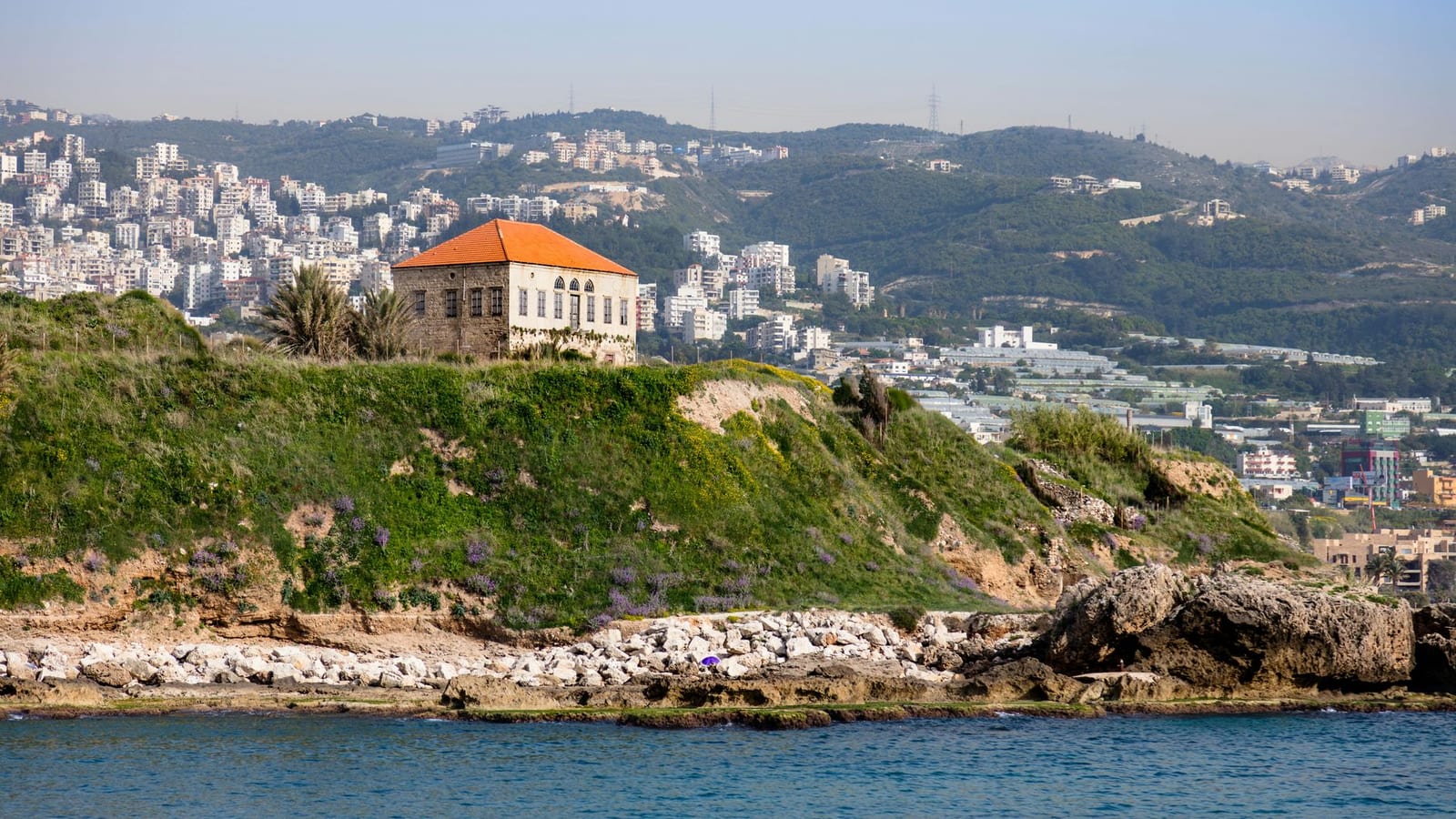
Thirty-one people died in south Lebanon on Tuesday, including at least four children. That is the kind of number that turns a distant war into a family tragedy before dinner.
For India, this is not just another Middle East headline. It is a warning flare from a region that sends us oil, employs millions of Indians, and can move our petrol bills overnight.
The latest escalation came as Israel ordered residents across several towns and villages in south Lebanon to leave their homes. The message was blunt: move north of the Zahrani river, and move now.
South Lebanon faces fresh evacuation orders
The Israeli army issued a series of evacuation warnings for areas in Nabatiyeh, Tyre and Bint Jbeil. Its Arabic-language spokesman, Avichay Adraee, posted several alerts on Telegram within hours.
The orders covered villages in Tyre district, including Toura, Deir Qanoun El-Nahr, Bedias, Bourj Rahal, Maarké, Abbasiyeh and Tayr Debba. Later warnings named more places, including Majadel, Jouya, Barich, Maaroub and Debaal.
For residents, such orders are not neat map markings. They mean grabbing medicines, documents, phone chargers, and children in minutes. Many families in south Lebanon have already lived through months of fear.
The Lebanese health ministry said Israeli attacks killed 31 people on Tuesday and wounded 40 others. It said 14 people died in Bourj Al-Chemali, near Tyre.
Strikes also hit areas around Nabatiyeh and the Bekaa. In Sohmor, the ministry said a civil defence member was killed. That detail matters, because rescue workers often stay when everyone else runs.
Israel says Hezbollah remains target
Benjamin Netanyahu said Israel had killed about 2,500 Hezbollah members since the wider American-Israeli campaign against Iran began on February 28. He claimed 700 Hezbollah fighters were killed during the ceasefire period alone.
Those figures come from the Israeli side. Hezbollah has continued operations against Israeli forces, while Israel says it has expanded ground activity beyond what it calls the “yellow line”.
The phrase sounds technical, almost harmless. On the ground, it means troops and firepower moving through contested space. It means villages become military geography.
The fighting in Lebanon has run alongside the war in Gaza and the confrontation with Iran. That makes this crisis more dangerous than a border clash. Several fires now burn in the same dry field.
Hezbollah’s position also complicates any diplomatic deal. Israel sees the group as an Iranian-backed threat on its northern border. Lebanon, meanwhile, carries the damage in homes, roads, hospitals and displaced families.
For ordinary Lebanese citizens, the argument over deterrence offers little comfort. A mother in Tyre does not care which side thinks it has sent a message. She cares whether her child can sleep safely tonight.
Oil markets hear the explosions
The Middle East crisis quickly reached the oil market. Brent crude rose close to $100 a barrel on Tuesday, settling around $99.58 for July delivery. That was a jump of 3.58 percent from the previous close.
American West Texas Intermediate finished at $93.89 a barrel. Prices had fallen earlier, but the new strikes and threats from Tehran cut those losses sharply.
For India, this is where foreign policy enters the kitchen budget. India imports most of its crude oil. When global crude rises, the pressure travels into fuel, transport, plastics, fertilisers and airline costs.
A kirana store owner in a tier-2 city may not track Brent crude. But if diesel gets expensive, goods cost more to move. If goods cost more to move, shelf prices start creeping up.
The rupee can also feel the heat. Higher oil bills mean India spends more dollars. That can widen the current account deficit, which is the gap between what the country earns and spends abroad.
Gold and oil often react first when the Middle East shakes. But the real bill comes later, through inflation and public finances. That is why New Delhi watches the Strait of Hormuz almost as closely as it watches Parliament.
Washington talks peace while bombing
The United States carried out strikes in southern Iran against missile sites from Monday night into Tuesday. Iran’s foreign ministry called the attacks a serious breach of the ceasefire.
Yet US Secretary of State Marco Rubio said an agreement with Iran remained possible. He said it could take a few days. That is modern diplomacy in one sentence: bombs at night, talks by morning.
Donald Trump also said Iran’s enriched uranium should be destroyed either in the United States or inside Iran. Enriched uranium is uranium processed for nuclear use. At low levels, it can fuel reactors. At higher levels, it raises weapons concerns.
Iranian negotiators are also seeking the release of $24 billion in frozen funds overseas, Iranian state-linked reporting said. For Tehran, money and nuclear limits sit in the same bargaining room.
Iran’s supreme leader warned that Gulf countries would no longer serve as shields for American bases. That line will worry monarchies that host US assets while trying to keep trade flowing.
The US military’s Central Command denied that it had resumed “Project Liberty”, a plan linked to helping ships through the Strait of Hormuz. The command said American forces were not escorting ships through the strait.
That denial itself shows the tension. The Strait of Hormuz is one of the world’s most important oil routes. If it becomes unsafe, Asia pays quickly.
India cannot treat this as distant
India’s stake is clear. Millions of Indians work in Gulf countries, sending money home to Kerala, Telangana, Uttar Pradesh, Bihar and many other states. Their safety depends on the region avoiding a wider war.
Indian companies also rely on Gulf shipping, energy, aviation links and financial flows. A prolonged crisis can raise insurance costs for ships and delay cargo movement.
There is also the diplomatic challenge. India has strong ties with Israel, old links with Iran, and deep economic dependence on Gulf Arab states. It cannot afford a loud, careless position.
New Delhi usually prefers quiet calls, evacuation planning, and careful public language. That may look boring on television. In this region, boring can be wise.
Trump also urged several Muslim-majority countries, including Saudi Arabia and Qatar, to normalise ties with Israel. He linked this idea to a possible deal with Iran.
That proposal faces a hard wall of public anger. The war in Gaza has made formal recognition of Israel politically costly across much of the Arab world. Even friendly governments must read their streets.
This is the part Western capitals often underestimate. Deals signed by leaders still need social oxygen. Without it, agreements can sit on paper while anger grows underneath.
For India, the lesson is simple. The Middle East is not a faraway theatre where great powers perform. It is tied to our fuel pump, our remittance economy, our inflation rate, and the safety of Indian workers abroad. If diplomacy fails again, ordinary Indians may not hear the blast, but they will feel its price.