Israel Seizes Beaufort Ridge In South Lebanon Push
Israel says its forces captured Beaufort ridge in south Lebanon, a strategic point above the Litani that could raise regional security risks.
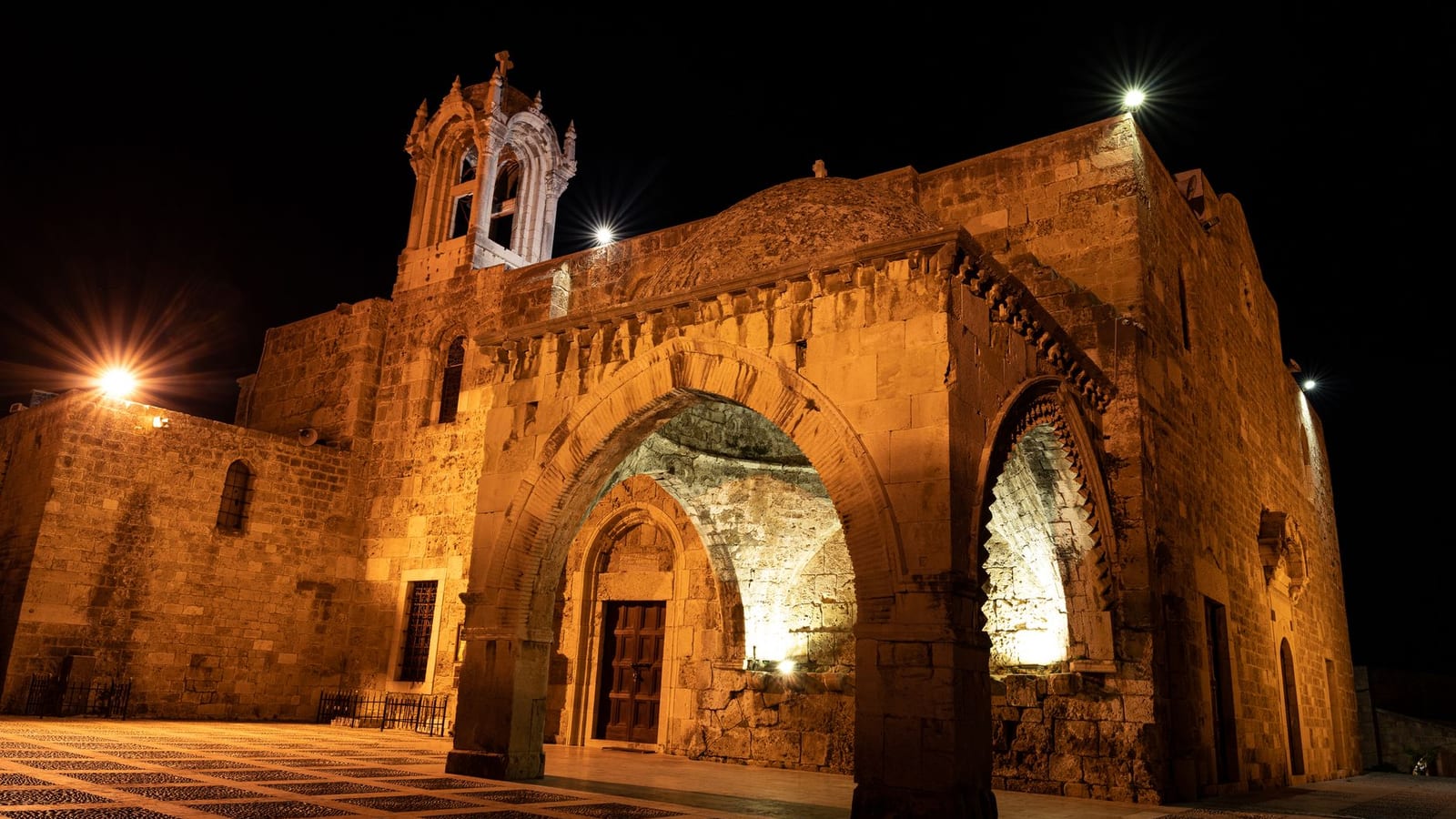
A medieval castle in south Lebanon has suddenly become a live military signal to the region.
Israel says its troops have crossed the Litani river and captured Beaufort ridge, a high point that looks over routes, villages, and the old battle lines of the Lebanon wars.
For Indians watching from afar, this is not just another distant Middle East headline. When south Lebanon burns, oil markets get nervous, shipping insurers get jumpy, and West Asia’s Indian diaspora feels the tremor first.
Beaufort castle changes the map
Israeli defence minister Israel Katz said on Sunday that Israeli forces had expanded their operation inside Lebanon and taken Beaufort ridge.
He said the army had planted the Israeli flag at the medieval fortress. The Golani Brigade flag was also raised there, according to Katz.
That image matters because Beaufort is not just stone and history. It sits above the Litani, roughly 30 kilometres from Israel’s border.
In plain terms, whoever controls that ridge can watch, fire, and defend across a wide stretch of south Lebanon. That is why Israel calls it vital for protecting Galilee and its troops.
The castle also carries old wounds. Israeli forces captured it during the 1982 Lebanon war and held it until their withdrawal in 2000.
So when Israeli ministers speak about returning there, they are not only talking military geography. They are also speaking to Israeli memory, pride, and anger.
For Lebanon, the symbolism cuts the other way. The fortress received stronger UNESCO protection in 2024. Lebanon’s culture minister Ghassan Salamé had warned that the fighting placed it in serious danger.
South Lebanon faces another exodus
The Israeli army also said it had struck Hezbollah infrastructure in Tyre and other parts of south Lebanon.
Lebanon’s National News Agency said one strike hit Bourj Qalawiyah in the Tyre district. Another reportedly destroyed a building near Hiram Hospital in Tyre and damaged nearby structures.
The Israeli army linked its strikes to two launches from Lebanon toward the Zraït area in northern Israel. It said both were intercepted.
The human cost is already brutal. Lebanon’s authorities say Israeli strikes since the renewed fighting began have killed 3,371 people and displaced more than one million.
On Sunday, the Israeli army told residents south of the Zahrani river to leave immediately. Its Arabic-speaking spokesperson Avichay Adraee warned that moving south could endanger lives.
For families in south Lebanon, that means another hurried calculation. What can you carry? Where is safe? Will your home still stand when you return?
These questions sound painfully familiar across conflict zones. They also matter to India because Lebanon has long hosted migrant workers from South Asia, including Indians in smaller numbers.
When evacuation orders expand, embassies must track citizens fast. Airlines, land routes, and consular hotlines become part of the story.
Ceasefire exists only on paper
The latest escalation comes despite a ceasefire that formally began on April 17. In practice, both sides never treated it as a real pause.
Israeli Prime Minister Benjamin Netanyahu said on Friday that Israel had crossed the Litani. He also described much of south Lebanon as a combat zone.
The Israeli army now says it wants to extend its forward defence line. That phrase sounds technical, but the idea is simple.
Israel wants to push threats farther from its northern towns, especially Galilee and Metula. Hezbollah, meanwhile, sees south Lebanon as its pressure point against Israel.
Lebanese Prime Minister Nawaf Salam accused Israel of using a scorched-earth policy. He also said negotiations remain the least costly path for Beirut.
That line reveals Lebanon’s trap. Its government wants diplomacy, but Hezbollah controls the battlefield logic in the south.
Israel faces its own pressure. The army said one Israeli soldier was killed on Saturday by a Hezbollah explosive drone. Four others were lightly wounded.
Since hostilities resumed on March 2, Israel says 25 Israelis have been killed. That includes 24 soldiers and one civilian contractor.
This round began after Hezbollah reopened a front in support of Iran, following Israeli and American action against Tehran. That links the Lebanon battlefield directly to the wider Iran confrontation.
Why India should watch closely
The Middle East often punishes countries that think they can watch from a distance. India knows this better than most.
Nearly nine million Indians live and work across West Asia. Many send money home every month to families in Kerala, Telangana, Uttar Pradesh, Bihar, and Punjab.
A wider war can affect their jobs, travel, wages, and safety. It can also raise fuel prices at Indian petrol pumps within weeks.
Iran’s Revolutionary Guard said 28 ships, including oil tankers and container vessels, passed through the Strait of Hormuz in 24 hours after receiving clearance.
That line deserves attention in New Delhi. The Strait of Hormuz is one of the world’s most important oil routes.
If Iran starts tightening control there, even without closing it, markets can panic. Freight costs rise. Crude prices move. India’s import bill takes a hit.
That then flows into ordinary life. Diesel gets costlier. Transport bills rise. Vegetables travel at higher cost. Airlines feel pressure. Inflation becomes harder to tame.
This is why India’s foreign policy usually avoids loud moral posturing in West Asia. New Delhi has ties with Israel, Gulf monarchies, Iran, and Arab states.
It buys energy, sells services, protects workers, and now also watches shipping lanes. That balancing act becomes harder when one conflict touches every other conflict.
There is also the American angle. Donald Trump has claimed Iran accepted that it would neither develop nor buy a nuclear weapon.
Trump said he was not in a hurry, but warned that talks could end differently if Washington did not get what it wanted.
Turkey’s foreign minister Hakan Fidan has suggested an Iran-US agreement may be closer than before. But battlefields often move faster than negotiators.
If Washington and Tehran inch toward a deal, Israel may push harder to weaken Iranian allies before any diplomatic freeze. Hezbollah sits at the centre of that calculation.
For India, the sensible reading is this: Beaufort is a castle, but the signal is modern. Israel wants depth. Hezbollah wants deterrence. Iran wants bargaining power. Lebanon wants survival.
The danger is that each side may believe one more strike will improve its position. That is how limited wars stop looking limited.
Ordinary Indians do not need to memorise every ridge in south Lebanon. But they should watch the Litani, Hormuz, and Washington talks together.
Because when this region shakes, the aftershock does not stop at Beirut or Tel Aviv. It can arrive quietly, in an oil invoice, an airfare, a delayed remittance, or a worried call from a worker overseas.