Israel Strikes South Lebanon as Rescue Workers Die
Israeli strikes in southern Lebanon killed at least 10 people, including rescue workers and a child, raising risks for oil, shipping and Indians abroad.
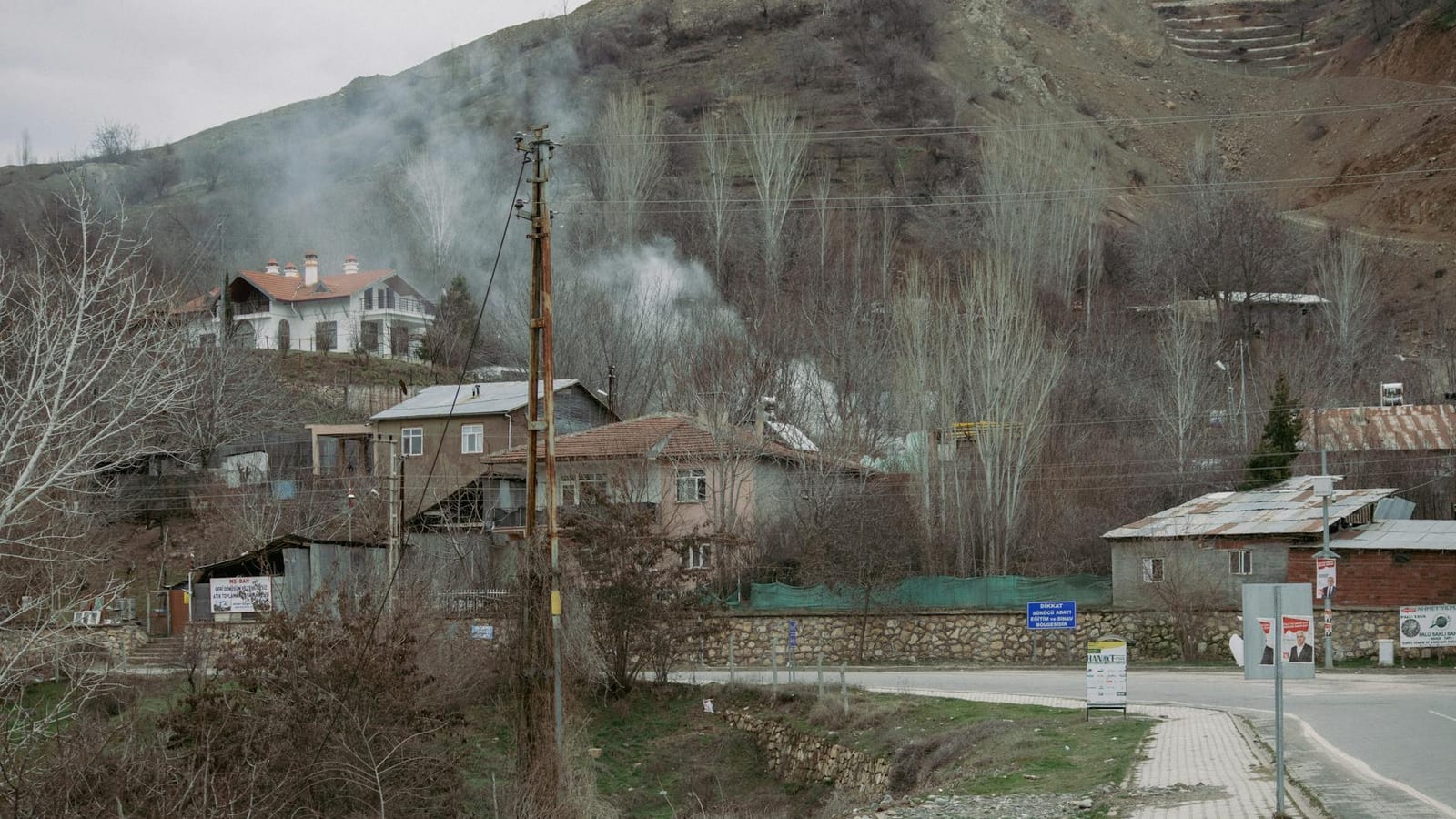
Smoke over a Lebanese village is not just another grim image from West Asia. For India, it is a warning light on oil, shipping, internet cables, and migrant workers.
At least ten people died on Friday in Israeli strikes in southern Lebanon, the Lebanese health ministry said. Six of them were rescue workers. One was a Syrian child.
That detail matters. Wars often enter our phones as maps and military claims. But on the ground, they hit ambulances, clinics, ports, cables, and families first.
Southern Lebanon takes the hit
The latest strikes hit villages in the districts of Tyre and Nabatiyeh. Lebanese authorities said Hanouiyeh and Deir Qanoun El-Nahr were among the places hit.
The health ministry said four rescue workers died in Hanouiyeh. It said another strike killed six people, including a Syrian child and two rescue workers linked to a group close to Amal.
The ministry called the attacks a violation of international law. The World Health Organization said it had confirmed 169 attacks on health workers and medical facilities in Lebanon since the latest Israel-Hezbollah war began.
Israel has earlier accused Hezbollah of using ambulances for militant work. It has not publicly provided proof for that claim in this case.
This is where the war becomes brutally familiar. Once medical workers become targets, people delay seeking help. A wounded driver, a child with burns, or a pregnant woman may not reach care in time.
Hezbollah widens the exchange
Hezbollah said its fighters attacked Israeli positions on Friday. It claimed drone strikes on an artillery position near Odaisseh and on Israeli troops in the north.
The group also said it fired rockets at an Israeli command centre near Bayada. Later, it claimed a drone hit an Iron Dome platform at Biranit, near the border.
Israel reported warning sirens in the area. The battlefield, once again, stretched across the border in both directions.
For ordinary Lebanese families, this means another night of fear. For Israelis in northern towns, it means more sirens, shelters, and disrupted lives.
The bigger point is simple. This is no longer a contained border clash. It sits inside a much larger regional conflict involving Iran, the United States, militias, shipping lanes, and energy markets.
Iran talks remain stuck
United States President Donald Trump said Iran was eager to make a deal. He also said Washington had struck Iran hard because Tehran could not be allowed to get a nuclear weapon.
Iranian foreign ministry spokesman Esmaeil Baghaei pushed back on the idea of a near deal. He said talks had not reached a stage where agreement looked close.
Baghaei also confirmed that a Qatari delegation had arrived in Tehran. Qatar has often played the quiet middleman in West Asian crises.
Pakistan’s army chief, Field Marshal Asim Munir, also reached Tehran, Iranian media said. His visit came amid continuing mediation efforts between Washington and Tehran.
Inside America, pressure is running the other way too. Republican Senator Roger Wicker urged Trump to let US forces finish the destruction of Iran’s conventional military capacity.
That is the hard split before Trump. One path is a deal that can reopen channels. The other is a deeper military push that may widen the war.
For India, this is not a distant argument. A wider fight can hit crude prices first. That can push up petrol, diesel, freight costs, and eventually food prices.
Hormuz now means data too
The Strait of Hormuz usually enters Indian debate through oil. A large share of the world’s seaborne oil passes through that narrow stretch.
Now the fight has a second layer. Iran is looking at control over undersea fibre optic cables that run through the same route.
These cables carry internet traffic. They help banks, energy firms, trading platforms, and governments stay connected.
Iran’s Revolutionary Guards have raised the idea of taxing users of these telecom cables. At least seven major fibre routes pass through the corridor, industry mapping shows.
This is the part many people miss. Modern conflict does not only block tankers. It can squeeze payment systems, cloud services, and trading desks.
For India’s technology industry, such disruptions matter. A Bengaluru software firm may never think about Hormuz. But its data, clients, or payments may still cross vulnerable routes.
The United States, meanwhile, says it has redirected 97 ships and immobilised four since its blockade of Iranian ports began. US Central Command gave the figures as of May 21.
Washington has kept that blockade despite a fragile ceasefire that began on April 8. That tells us something clear. The military pressure has not ended with the pause in fighting.
India cannot watch casually
India has three direct concerns here. Energy, people, and connectivity.
First, oil. Any prolonged pressure around Hormuz raises risk premiums. That means traders price in danger before supply actually collapses.
Second, people. Millions of Indians live and work across the Gulf. They send money home, run small lives abroad, and support families across Kerala, Uttar Pradesh, Bihar, Telangana, and Punjab.
Third, connectivity. Undersea cables sound abstract until they fail. Then payments slow, calls drop, systems lag, and businesses discover how physical the internet really is.
New Delhi also has diplomatic stakes. India has ties with Israel, Iran, the Gulf states, and the United States. It cannot afford lazy slogans in this theatre.
That balancing act has become harder. Israel wants security from Hezbollah attacks. Lebanon faces repeated devastation. Iran wants regional influence and survival. The United States wants pressure without losing control of escalation.
This is why West Asia keeps testing Indian diplomacy. India needs oil from the region, jobs for its citizens, defence ties with Israel, and working channels with Tehran.
The latest deaths in southern Lebanon are part of that larger warning. A child and rescue workers died in villages most Indians will never visit. Yet the shock can still travel, through fuel pumps, remittance flows, shipping bills, and internet routes. In West Asia, distance is often an illusion.