Israel Takes Beaufort Castle as Lebanon War Deepens
Israel has pushed deeper into southern Lebanon, taking Beaufort Castle as strikes near schools and villages raise fears of a wider conflict.
A missile has hit an empty school in south Lebanon. That one detail says more than any battlefield map.
The classrooms had no children, only echoes from nearby blasts. Sister Habib, who runs the school in Marjayoun, said the strike seemed accidental. But for families in the area, the message is still plain. War has reached the places meant to keep life normal.
Israel has now pushed deeper into southern Lebanon, taking control of the historic Beaufort Castle. Prime Minister Benjamin Netanyahu said Israeli forces had crossed the Litani river and captured the ridge.
Beaufort returns to the battlefield
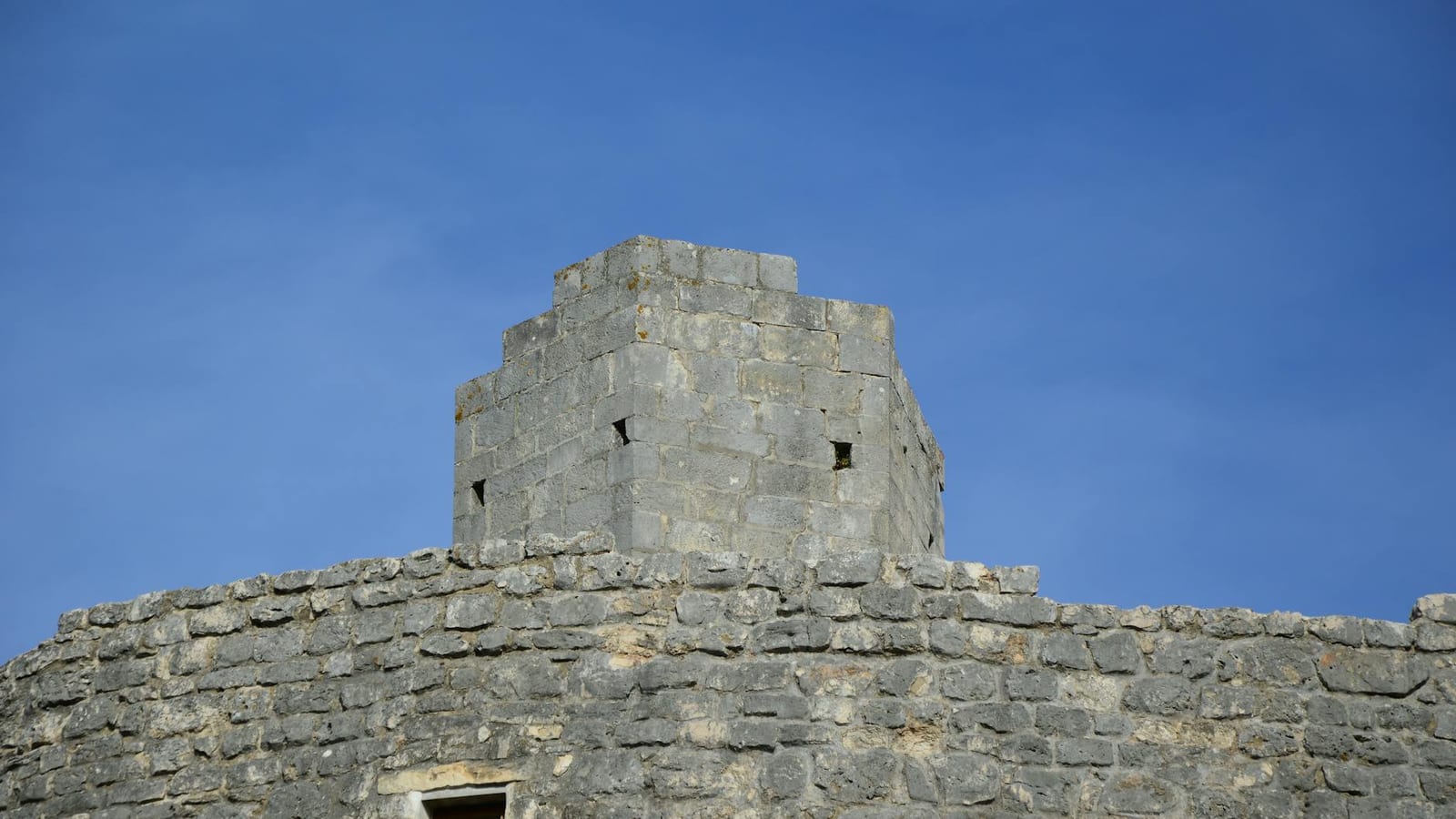
Beaufort Castle is not just another military point on a hill. It is a 900-year-old fortress, long tied to the politics and wars of southern Lebanon.
Israel controlled the area during its occupation from 1982 to 2000. That occupation began as a campaign against the Palestine Liberation Organization. It ended with Hezbollah far stronger than before.
That is the uncomfortable lesson in this region. Armies may capture land, but politics often grows from the ruins.
Netanyahu said Israeli forces had returned to Beaufort “stronger than ever”. He also said he had ordered troops to deepen and expand control in areas held by Hezbollah.
For Israel, the aim is clear. It wants to push Hezbollah away from its northern border and create more depth for Israeli towns.
For Lebanon, the same move looks very different. It means more villages emptied, more roads cut, and more civilians wondering if they can ever go home.
Tyre faces renewed air strikes
The ground advance has come with heavy air strikes on Tyre, southern Lebanon’s largest city. Around 200,000 people live there in normal times.
Lebanon’s Health Ministry said strikes near Hiram Hospital injured 13 medical workers and damaged the facility. Israeli forces said they targeted Hezbollah command centres in populated areas.
This is where the language of war becomes brutally thin. One side says command centre. The other side sees a hospital hit nearby, doctors wounded, and families running again.
Israel’s military also said control of Beaufort and the Saluki river area would help dismantle Hezbollah infrastructure. It described the wider zone near Nabatieh as a Hezbollah stronghold.
Nabatieh matters because of geography. The Litani river runs close to Israel in parts of this region. Even if Hezbollah stays north of the river, rockets and drones can still threaten Israeli border towns.
That is Israel’s military argument. It says the old buffer is no longer enough.
But for Lebanese civilians, this logic creates a frightening future. If every useful military distance expands, every village can become unsafe.
Civilians pay the sharpest price
The latest fighting follows months of violence that began after Hamas attacked Israel in October 2023. Hezbollah then joined the conflict from Lebanon’s side.
Israel says it has targeted Hezbollah fighters and infrastructure. Beirut says the offensive has killed 3,371 people since March 2.
Netanyahu claimed on Sunday that 3,000 of those killed were Hezbollah “terrorists”. He did not present proof for that figure.
The Lebanese government gives a different picture. It says the dead include 240 children, 326 women, and 127 health workers.
Those numbers need no decoration. They show how quickly a border war becomes a civilian disaster.
Sister Habib’s school in Marjayoun shows this in human terms. The school once served children from 22 towns and different religious communities.
Today, it has no students. Nearby villages have been destroyed or emptied. She said schools are essential if people want to remain in the area.
That is a simple truth India understands well. When schools close, families do not just lose education. They lose the confidence to stay.
Israel has not forced the evacuation of some Christian-majority areas around Marjayoun. But those areas now sit surrounded by advancing troops and damaged Shia-majority villages.
Residents in southern Lebanon see the destruction and evacuation orders as pressure on Hezbollah’s support base. Israel sees them as security measures.
Both claims can exist at the same time. The civilian still loses first.
Why India should watch closely
For Indian readers, this may look like another West Asian front far from home. It is not.
West Asia is where millions of Indians work, where India buys much of its energy, and where every wider conflict travels through prices, shipping, and diplomacy.
A bigger Israel-Hezbollah war can unsettle the eastern Mediterranean and the Gulf mood. That matters for oil markets, remittances, and Indian workers across the region.
India also has a long record in Lebanon through UN peacekeeping. Indian soldiers have served in southern Lebanon under the United Nations Interim Force in Lebanon.
That gives New Delhi a stake beyond statements from South Block. Instability in the area touches Indian diplomacy directly.
There is another layer too. The fighting comes while Washington and Tehran hold uncertain talks. Any understanding between the United States and Iran could limit Israel’s room for action against Hezbollah.
That is the subtext many miss. Israel is not only fighting Hezbollah on the ground. It is also trying to shape the diplomatic map before others freeze it.
For India, the lesson is familiar. Global power is not shifting through grand speeches alone. It is shifting through ports, militias, drone ranges, ceasefires, and energy routes.
A small hilltop in Lebanon can affect calculations in Washington, Tehran, Tel Aviv, and Delhi.
The old buffer no longer holds
The Litani river has long sat at the centre of ceasefire plans. International resolutions and previous agreements asked Hezbollah to move north of it.
But maps do not stop drones. Short-range rockets and drones work well across 10 to 20 kilometres. That keeps Israeli border towns exposed.
Israel now appears to want a wider security zone, reportedly extending up to 35 kilometres north of its border. Israeli leaders present this as protection.
Rights experts and Lebanese officials view the expansion with alarm. They see forced displacement and disproportionate destruction.
History gives Israel a warning here. Its earlier occupation of southern Lebanon did not remove the problem. It helped create Hezbollah as a powerful armed movement.
That does not make Israel’s security fears imaginary. Northern Israeli communities have lived with real danger from Hezbollah fire.
But military control has a poor record in this terrain. It can push militants back for a while. It can also deepen the anger that feeds the next cycle.
The Beaufort flag may give Netanyahu a battlefield image. It may reassure Israelis who want distance from Hezbollah’s rockets.
But the empty school in Marjayoun tells the other half of the story. If children cannot return, hospitals cannot function, and villages stay deserted, no map will look stable for long.
For ordinary people, whether in Lebanon, Israel, or watching from India, the question is painfully practical. Can any power in this region win security without making daily life impossible for someone else?