Israel Warns Beirut as South Lebanon Towns Evacuate
Israeli strike threats against Beirut and evacuation orders in south Lebanon raise risks for oil, shipping and Indian workers in the region.
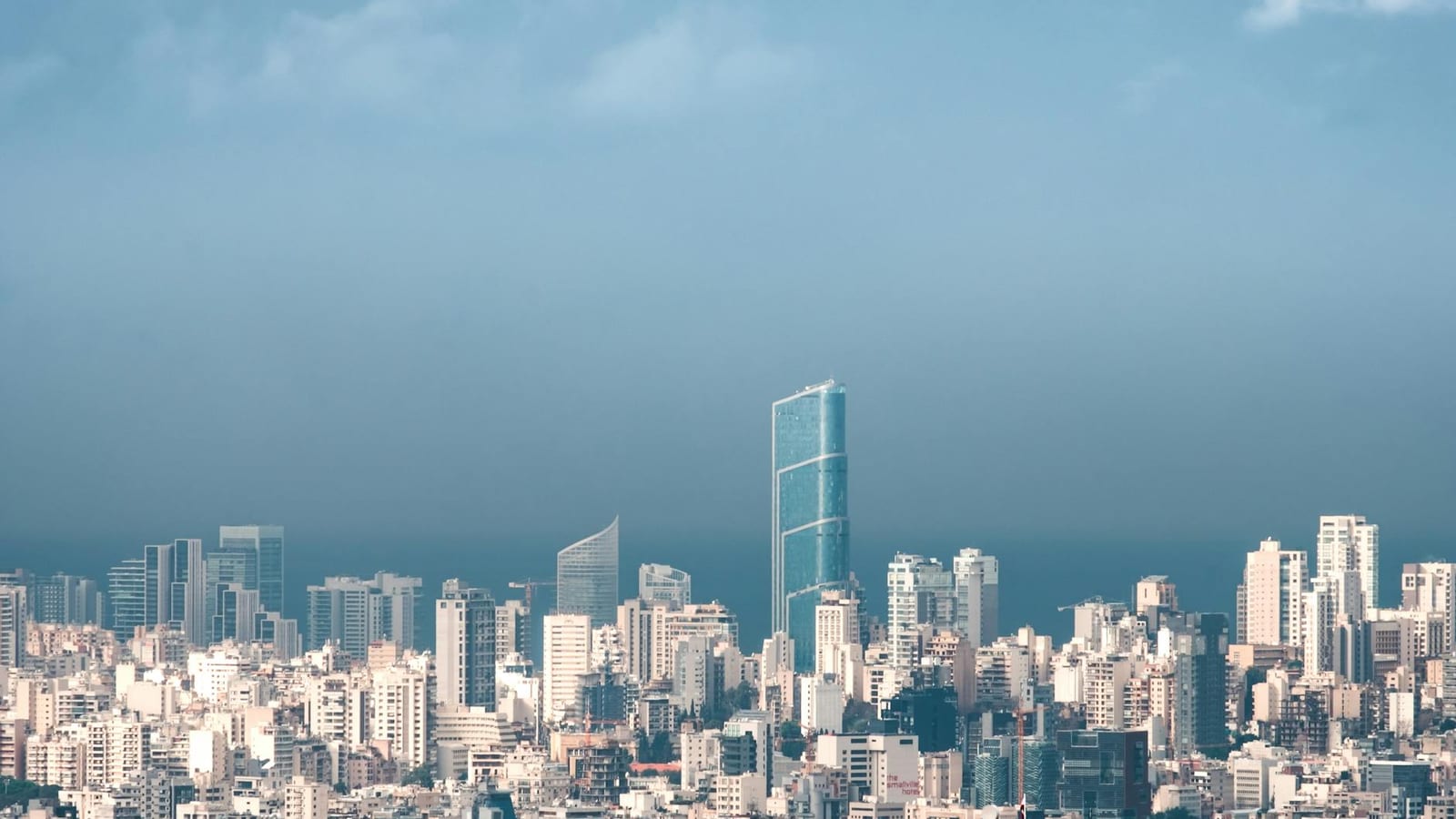
A family leaving south Beirut does not need a geopolitics lecture. It needs a clear road, fuel in the tank, and some idea of where the next night will be spent.
That is the hard human edge of the latest Middle East flare-up. Israel has again threatened strikes on Beirut’s southern suburbs, while ordering people in seven towns in south Lebanon to leave their homes.
For India, this is not a distant war on a TV screen. It sits close to oil prices, shipping lanes, migrant workers, and the nervous arithmetic of every household budget.
Beirut faces another warning
Israeli Defence Minister Israel Katz said Prime Minister Benjamin Netanyahu and he had ordered the military to strike what they described as Hezbollah targets in south Beirut.
Katz linked the order to rocket and drone attacks from Lebanon. He warned that Beirut would not stay calm if northern Israel remained under fire.
That message carries a grim echo in Lebanon. South Beirut has seen war before. For residents there, an Israeli warning often means packed roads, shuttered shops, and families leaving in a hurry.
The Israeli military also told residents of Houmine El-Faouqa, Bnaafoul, Arab Salim, Roumine, Aazze, Arkey and Jbaa to move at least 1,000 metres away from their areas.
The army said it had to act because Hezbollah had violated the ceasefire. Hezbollah, in turn, claimed rocket attacks on military infrastructure near Tiberias in northern Israel.
Israel’s military said it intercepted projectiles fired from Lebanon. It also said it shot down a drone in an area of south Lebanon where its forces operate.
Iran links Lebanon to truce
The dangerous part is that this is no longer only an Israel-Hezbollah exchange.
Iran has tied calm in Lebanon to the larger ceasefire with the United States. Foreign Minister Abbas Araghchi said the ceasefire must apply across all fronts, including Lebanon.
Iranian officials have accused Washington of failing to respect the ceasefire. Tehran has also said any deal to end the wider war must include a ceasefire in Lebanon.
That is a big claim. It means Iran wants the Lebanese front treated as part of the same conflict. Israel and the United States see Hezbollah as an Iranian-backed armed group, not as a separate local actor.
This is where diplomacy becomes messy. A ceasefire on paper can look neat. On the ground, one drone strike, one rocket salvo, or one naval warning can punch a hole through it.
Iranian foreign ministry spokesperson Esmaeil Baghaei said nuclear talks had not yet begun. He said Tehran’s priority remained ending the war.
That matters because the nuclear file often sits at the centre of Iran-West tensions. But right now, Tehran is putting battlefield conditions first.
Hormuz keeps India watching
The Strait of Hormuz is the part Indian families should watch, even if they never think about it.
Iran’s Revolutionary Guard said 15 vessels, including four oil tankers, crossed the strait over the past 24 hours after getting approval from Iranian forces.
It also warned commercial ships and tankers against cooperating with hostile outside forces. In simple words, Tehran wants to show it can monitor and pressure shipping in one of the world’s most important oil routes.
For India, this is not a map-room detail. A large share of India’s crude oil still comes through Gulf-linked sea routes. When Hormuz gets tense, traders price in fear before a single barrel is delayed.
That fear can travel fast. It can show up in petrol prices, airline fuel costs, freight bills, and eventually food prices. A kirana store owner may not track naval alerts, but transport costs still reach his shop.
Kuwait also said it reserved the right to defend its territory after Iranian forces claimed attacks toward a US base there. Kuwait’s foreign ministry said repeated attacks threatened regional stability.
That line will worry New Delhi. India has millions of workers across the Gulf. Their safety, jobs, and remittances depend on a region that stays functional, not just technically at peace.
Europe pushes for restraint
The European Union asked Israel to stop military escalation in Lebanon and respect Lebanese sovereignty. EU spokesperson Anouar El Anouni said the Lebanese people had already suffered enough.
French President Emmanuel Macron said he had spoken with Donald Trump about the Middle East situation. Macron said France supported efforts to reach a quick agreement between the United States and Iran.
France also said it was ready to help secure maritime traffic in the Strait of Hormuz once an agreement takes shape. That tells us where Western priorities sit: stop the war from spreading, keep shipping open, and reopen the nuclear track.
But Western diplomacy often misses one thing. Local fronts do not behave like switches. You cannot turn off Iran, Lebanon, Israel, and Gulf waters with one neat announcement.
Israel says it wants to push Hezbollah away from the Litani river area. That region has huge military meaning. For Israel, it is about keeping armed groups away from its northern border.
For Lebanon, any Israeli operation revives memories of occupation, bombardment, and political humiliation. The old wounds are not history-book material there. They shape how people react today.
The human cost keeps widening
The latest fighting has already claimed lives. Israel’s military said a 20-year-old soldier, Sergeant Major Adam Tzarfati, died in combat in south Lebanon. A military source said a Hezbollah drone killed him.
Israel had announced another soldier’s death a day earlier. Since hostilities resumed on March 2, Israeli authorities say 26 Israelis have been killed, including 25 soldiers and one civilian contractor.
Lebanon has also reported casualties. Its national news agency said an Israeli drone strike near Zefta killed a driver and injured an ambulance worker near a civil defence post.
That detail should stay with us. Wars often get discussed through missiles, ministers, and maps. But the first responders, drivers, shopkeepers and displaced families carry the real bill.
In northern Israel, air alerts sounded in places such as Metula and Kiryat Shmona after suspected rocket fire or drone intrusions. For civilians there too, routine has become fragile.
Children miss school. Businesses close early. Families sleep lightly. Farmers and workers near border areas make daily choices under the sound of sirens.
This is why ceasefires fail when leaders treat them as public statements, not lived arrangements. A ceasefire must mean something to a mother in Beirut and a family in Kiryat Shmona.
For India, the lesson is plain. West Asia is still the region where global power, oil, religion, migration, and military force collide fastest. New Delhi will want de-escalation, not as a moral slogan, but as a practical need. The next few days will show whether this ceasefire can become real on the ground, or whether ordinary people will again pay for every leader’s hard line.