Israel Widens Lebanon Combat Zone South of Zahrani
Israel's warning to residents south of Lebanon's Zahrani river raises fears of wider fighting with Hezbollah and fresh pressure on oil and shipping.
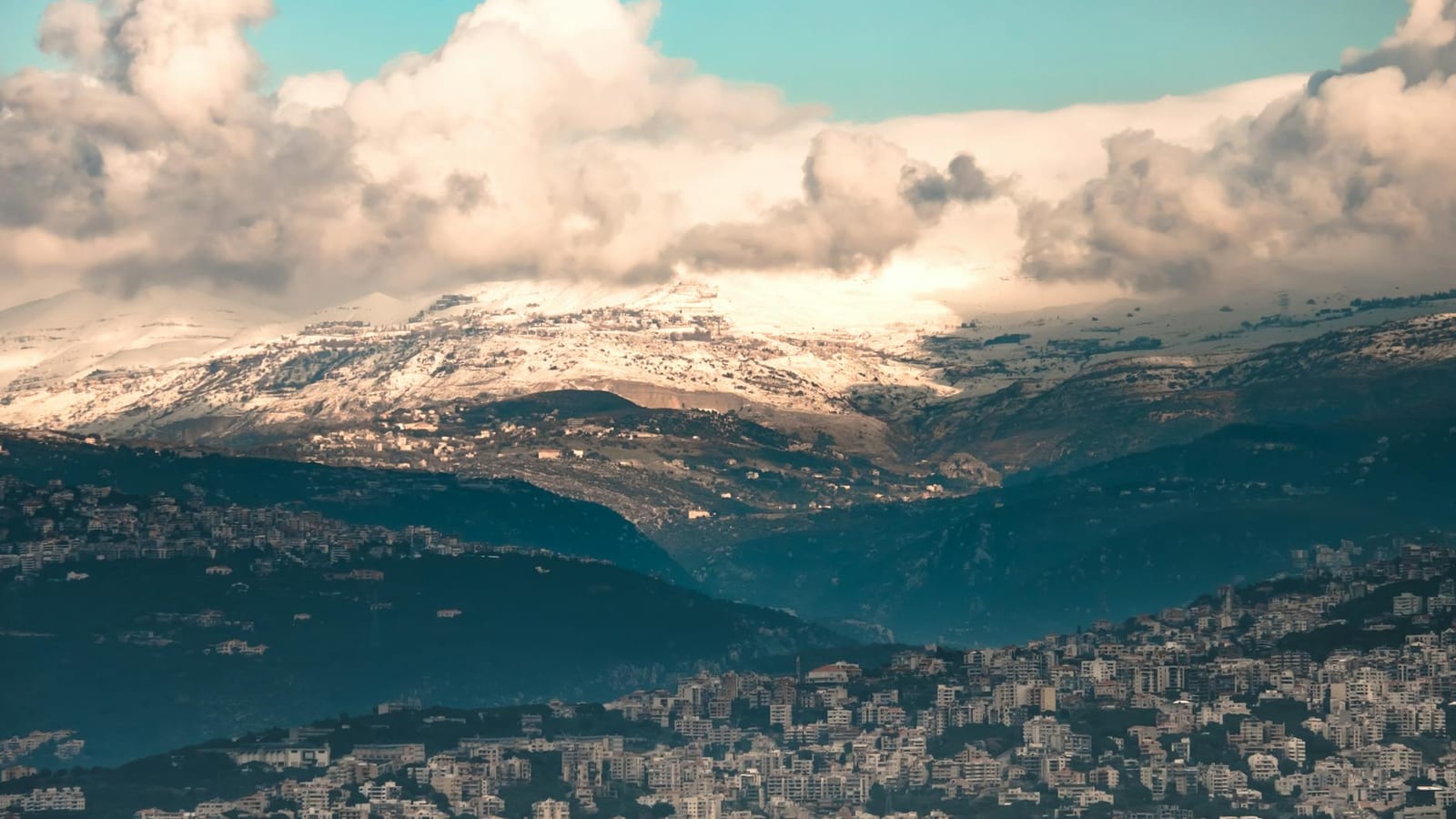
A family in south Lebanon may have begun Eid with sweets on the table. By evening, the question was simpler. Which road is still open?
Israel has declared the entire area south of the Zahrani river a “combat zone”. Its army has told residents there to move north of the river, while warning that it will act against Hezbollah with heavy force.
For India, this is not a faraway fire on a television screen. It touches oil prices, shipping routes, migrant workers, and the quiet anxiety of families who have relatives across West Asia.
South Lebanon faces another flight
The Zahrani river now matters because maps have become survival guides. Israeli military spokesman Avichay Adraee told residents south of it to leave for the northern bank.
That order covers a large stretch of south Lebanon. It came as many Lebanese were trying to mark Eid al-Adha, a festival built around family, sacrifice, and shared meals.
Israeli strikes hit the south and east of Lebanon on Wednesday. The Israeli army said it targeted Hezbollah infrastructure. It also reported the death of one soldier, after another loss a day earlier.
Tyre and areas around it came under attack after evacuation warnings. Nabatiyeh, another major southern city, also faced warnings for a second day. Local authorities described heavy damage in Nabatiyeh.
The human story here is brutally familiar. People run first to relatives, then to shelters, then to any city still taking them in. Officials warned that shelters were already crowded, and urged people to head towards Beirut instead.
That is not a small instruction. It means fuel, transport, cash, medicines, elderly parents, children, documents, and fear, all packed in a hurry.
Hezbollah and Israel widen the front
Hezbollah said its fighters clashed directly with Israeli forces at Zawtar El-Charkiyé. The group also said it carried out three drone attacks against troops in northern Israel.
This village sits near what has been called the “yellow line”. That line marks a roughly 10-kilometre belt in southern Lebanon where Israel has taken control and blocked residents from entering.
The Israeli army said on Tuesday that it was expanding ground operations beyond that line. That matters because every extra kilometre makes the conflict harder to contain.
This is no longer only about border fire. It now looks like a moving military zone, with homes, farms, roads, and old neighbourhoods caught inside it.
The escalation also comes just before planned military talks at the Pentagon. New US-backed negotiation rounds are expected on June 2 and 3. That timing tells its own story.
Diplomacy is still on the table. But the battlefield is not waiting politely for diplomats to finish their tea.
Hormuz anxiety shakes oil markets
The other pressure point is the Strait of Hormuz. This narrow waterway carries a large share of the world’s oil and gas trade.
When Hormuz sneezes, Indian fuel bills catch a cold. India imports most of its crude oil. Any scare there can travel quickly to petrol pumps, airline costs, and inflation numbers.
Oil prices actually fell on Wednesday because traders hoped the US-Iran tensions might ease. Brent crude dropped more than 5 percent to around $94 a barrel. US crude also fell sharply.
That fall sounds comforting, but it rests on hope. If the strait closes or even looks unsafe, prices can climb again with equal speed.
South Korea has now pulled another thread into the story. Seoul summoned Iran’s ambassador after an investigation into an attack on the HMM Namu, a Panama-flagged vessel operated by South Korean shipping firm HMM Co.
The ship was hit on May 4, causing a fire. South Korea’s foreign ministry said technical evidence suggested the projectile was very likely from Iran’s Noor missile series.
Park Yoonjoo, South Korea’s first vice foreign minister, said the missile engine resembled an Iranian turbojet. He also said some parts carried markings believed to be linked to an Iranian manufacturer.
Iran’s ambassador in Seoul, Saeed Kouzechi, rejected the allegation. He said Iran had no role in the incident.
For India, the lesson is plain. Shipping risk does not stay inside one country’s dispute. A missile, a drone, or one nervous insurer can raise costs across the route.
Washington sends mixed signals
Donald Trump said the Strait of Hormuz must remain open to everyone. He called it international waters and said nobody would control it.
He also said Iran wanted an agreement, but that Washington was not yet satisfied. Trump ruled out easing sanctions or giving money as part of any immediate deal.
His words carried a threat too. He said the US would “finish the job” if talks failed. That phrase will be read differently in Tehran, Tel Aviv, Riyadh, Beijing, and New Delhi.
There was also confusion. Trump referred to “Oman” in a warning that surprised observers, since Oman is a US ally and a regional mediator. He appeared to be answering a question linked to Oman and Iran’s possible control of Hormuz.
The White House did not immediately clarify the remark. Oman has often served as a backchannel between Washington and Tehran. That makes loose language risky.
In West Asia, words are not background noise. They move markets, affect military calculations, and harden public positions.
Meanwhile, Iranian state television aired what it described as an unofficial 14-point framework for talks with the US. The White House dismissed it and warned people not to believe Iranian state media claims.
So the region has two tracks running together. One track has air strikes, evacuation orders, drones, and missile claims. The other has denials, draft proposals, oil traders, and diplomatic signals.
Why India cannot look away
India’s first concern is energy. A sustained crisis in Lebanon may not directly hit Indian oil supplies. But a wider US-Iran confrontation near Hormuz certainly can.
Higher crude prices feed into transport, fertilisers, plastics, aviation, and household budgets. A middle-class family may not follow the Zahrani river on a map. It will still feel the shock through fuel and food costs.
The second concern is people. Millions of Indians live and work across the Gulf and West Asia. Even when fighting stays outside the Gulf, anxiety spreads fast among families back home.
The third concern is diplomacy. India has ties with Israel, Iran, Gulf monarchies, and the United States. That balancing act gets harder when military lines shift every few days.
New Delhi usually prefers quiet engagement in such crises. That approach has served India well, especially when evacuations or shipping security become urgent.
But quiet does not mean passive. India will watch Hormuz, oil prices, insurance rates, and the safety of its citizens with the seriousness this moment deserves.
The harsh truth is that West Asia’s wars rarely remain local for long. For ordinary Indians, the next signal may not come from a foreign ministry briefing. It may come from the price board at a petrol pump, a flight ticket, or a worried call from a relative in the Gulf.