Israel widens Lebanon offensive south of Zahrani
Israel has declared south Lebanon below the Zahrani river a combat zone, ordering evacuations as operations against Hezbollah intensify.
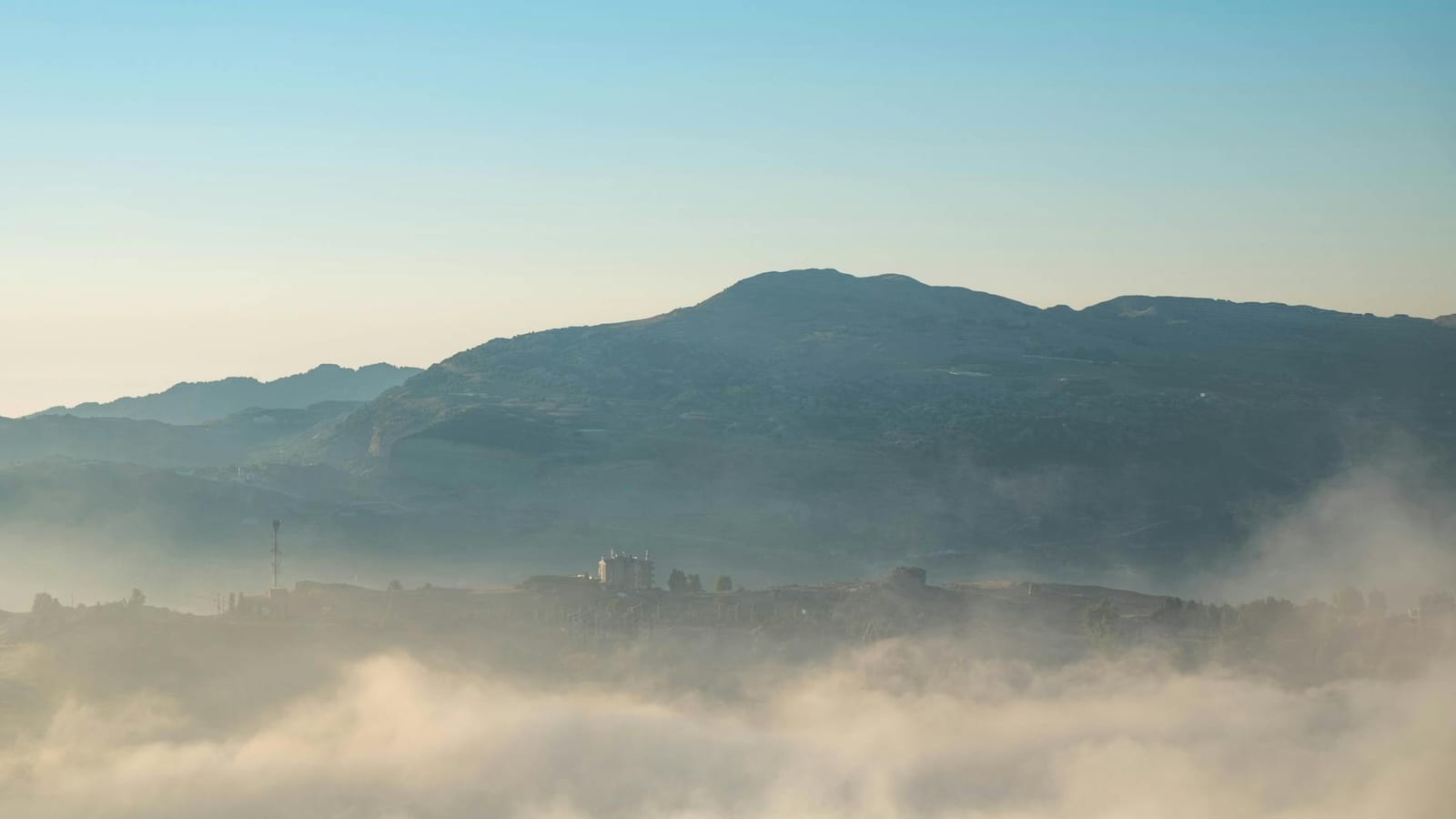
For many families in south Lebanon, Eid did not begin with sweets, visits, or prayers. It began with evacuation orders.
The Israeli military declared the area south of the Zahrani river a “combat zone” and told residents to move north of the river. Its Arabic-speaking spokesman, Avichay Adraee, said the army would act against Hezbollah with heavy force.
That one sentence changes daily life for thousands. It also sends a message far beyond Lebanon. For India, this is not some distant map problem. It touches oil prices, shipping routes, workers in West Asia, and the cost of living at home.
South Lebanon faces new pressure
The latest escalation has pushed the Israel and Hezbollah confrontation into a sharper phase. Israeli forces have already controlled a strip inside south Lebanon, described as roughly 10 kilometres deep in parts.
Now, the Israeli army says it is expanding ground operations beyond that earlier line. It has accused Hezbollah of repeated ceasefire violations and said it is targeting the group’s infrastructure.
Lebanese state media reported Israeli strikes in the south and east of the country. Tyre and areas around it came under attack after evacuation warnings. Nabatiyeh, another major southern city, also saw heavy damage.
For ordinary residents, the military language means something simpler. Leave now, or risk being trapped between air strikes, artillery, and blocked roads.
Local authorities warned that shelters were already full. They urged people to head towards Beirut instead. That is easier said than done when families have old parents, children, documents, medicines, and no clear return date.
Hezbollah, for its part, said its fighters clashed directly with Israeli forces near Zawtar El-Charkiyé. It also claimed drone attacks against Israeli troops in northern Israel.
This is the dangerous rhythm of the conflict now. Israel warns, strikes, and moves forward. Hezbollah fires back and tries to show it can still hit across the border.
Gaza strike deepens the wider war
The Lebanon front is not moving in isolation. In Gaza, the Israeli military said it struck two senior Hamas members in the north of the strip.
Gaza’s civil defence, which operates under Hamas authority, said seven people died in that strike. It said more than 20 others were wounded when a residential building in Gaza City was hit.
This came after the armed wing of Hamas confirmed the death of Mohammed Odeh. Israel had said a day earlier that it targeted him in a strike. Hamas said Odeh died along with his wife and children, and that civilians were also killed.
The Israeli side sees these strikes as part of its campaign to break Hamas’s command structure. Hamas presents the deaths as assassinations that will not stop its armed wing.
For civilians, these arguments do not offer much comfort. The practical result is more bombing, more funerals, and more uncertainty over whether any pause can hold.
The Gaza and Lebanon tracks are linked by politics, weapons, and regional alliances. Hezbollah has framed its fight as connected to Gaza. Israel sees Hezbollah as an Iranian-backed threat on its northern border.
That is why a strike in Gaza can echo in Lebanon. And why fighting near Tyre can affect markets in Mumbai by the next morning.
Hormuz worries hit oil markets
The third pressure point is the Strait of Hormuz, the narrow waterway through which a large share of global oil trade moves.
South Korea summoned Iran’s ambassador after an investigation into an attack on a South Korean-operated vessel earlier this month. Seoul said the ship was very likely hit by a missile developed by Iran.
Iran rejected the allegation. Its envoy in Seoul, Saeed Kouzechi, said Iran had no role in the incident.
South Korean official Park Yoonjoo said parts found after the attack resembled components linked to an Iranian missile series. The vessel, HMM Namu, was hit on May 4 and caught fire.
This matters for India in a very direct way. When Hormuz looks unsafe, insurance costs rise. Shipping gets nervous. Oil traders price in fear before facts settle.
On Wednesday, oil prices actually fell sharply because markets hoped the strait may reopen fully and tensions may ease. Brent crude dropped more than 5 percent to about $94 a barrel. US crude also fell more than 5 percent.
That may sound like trader talk. But oil is not just a commodity for India. It sits inside petrol prices, diesel transport, airline fares, fertiliser costs, and household inflation.
A cheaper barrel can offer relief. A sudden spike can make everything from vegetables to school bus fees more expensive.
Trump adds confusion to diplomacy
US President Donald Trump added another twist when he spoke about Hormuz and regional control.
He said the strait must remain open to everyone and described it as international waters. He also said Iran wanted control, but that no one would control it.
But he then appeared to threaten Oman, a long-standing US partner, saying it would have to behave like others or face severe action. The remark surprised observers because Oman often serves as a quiet mediator between Washington and Tehran.
The White House did not immediately clarify whether Trump meant Oman or Iran. The confusion came during a public appearance where he also mixed up Iran and Venezuela.
Diplomacy in West Asia often runs on careful wording. One careless sentence can move markets, alarm allies, and give rivals room to posture.
Trump also said he was not satisfied with Iranian proposals for a deal. He said Iran wanted an agreement but had not reached a point acceptable to Washington.
Iranian state television aired what it described as an early, unofficial 14-point framework for a possible deal. The White House dismissed it and said people should not believe Iranian state media claims.
So, there are two stories moving together. One is the shooting war. The other is the bargaining table, where every side wants better terms before the next blast.
For India, the lesson is old but sharp. West Asia is never only about West Asia.
A family fleeing south Lebanon, a ship damaged near Hormuz, and a trader watching Brent crude are all part of the same chain. Somewhere down that chain sits an Indian consumer, paying for fuel, food, tickets, or remittances shaped by events far away.
The next few days will test whether the region steps back or slides deeper. If the Zahrani line becomes the new front line, the human cost will rise first. The economic cost will follow, quietly, into homes that have never heard of the river.