Israel widens Lebanon strikes as Hezbollah war escalates
Israel’s expanded Lebanon offensive against Hezbollah raises fresh risks for West Asia stability, oil prices, travel costs and Gulf remittances.
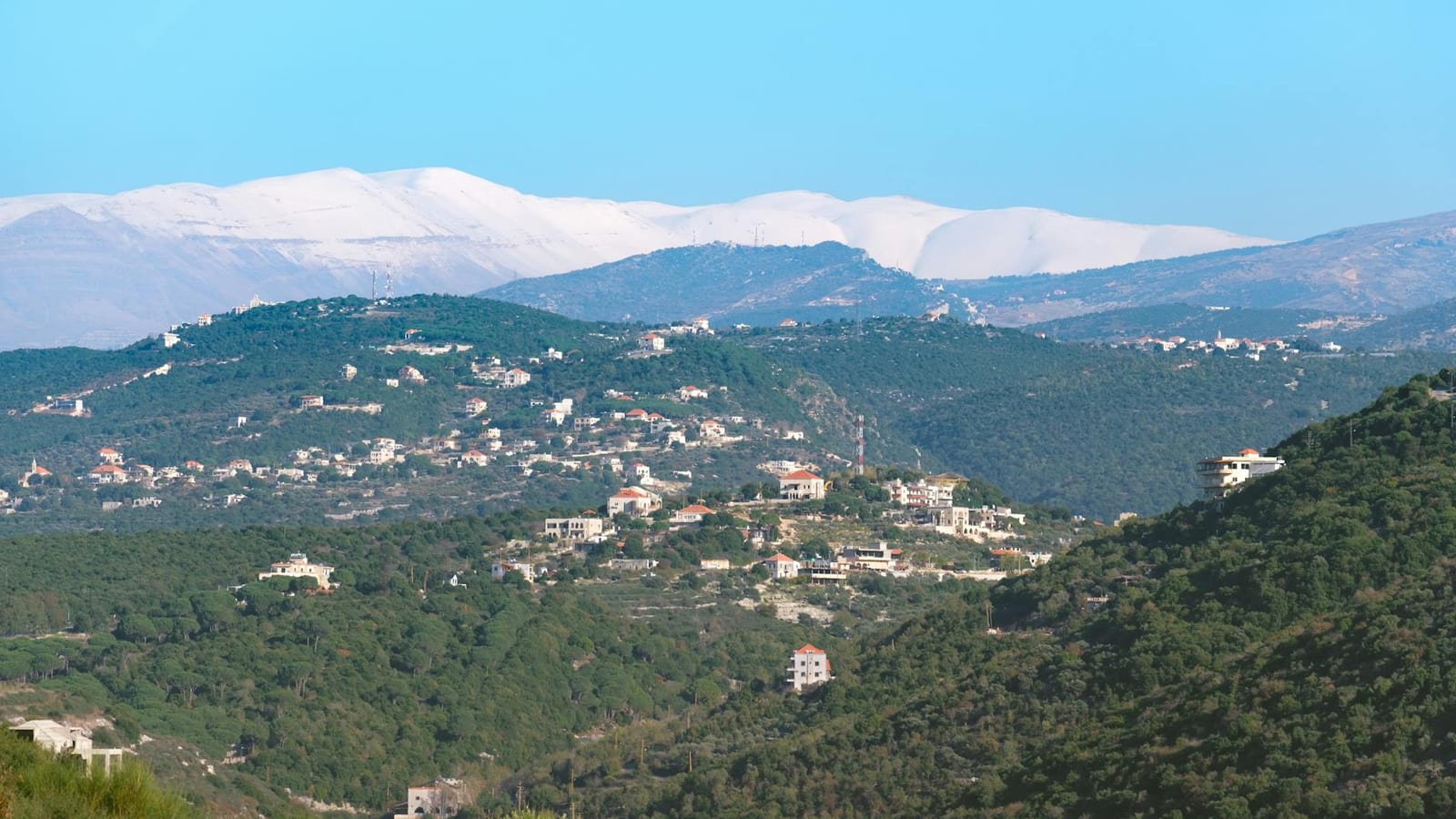
A fresh strike in south Lebanon is not just another grim headline from West Asia. It is a warning flare for every Indian family that watches petrol prices, air fares, and remittance flows from the Gulf.
Benjamin Netanyahu has said Israel will step up its offensive in Lebanon against Hezbollah. He made that threat while Washington and Tehran were still trying to shape a deal to calm the wider regional war.
That is the strange danger of this moment. Diplomats are talking peace, while armies are widening the battlefield.
Israel pushes harder in Lebanon
Netanyahu said Israel was not slowing down its campaign. In a video message, he said he had asked forces to move faster and hit Hezbollah harder.
The Israeli army said it had begun striking Hezbollah infrastructure around Tyre and other parts of south Lebanon. Israel has accused Hezbollah of violating a ceasefire.
Lebanon’s official National News Agency reported dozens of Israeli strikes across southern towns and villages. It said three people died in attacks on vehicles and a motorcycle.
The same account described a harsher human detail. In Doueir, a woman remained trapped under rubble after an earlier strike, because rescue teams had not received Israeli clearance.
In another strike in the same village, two sisters were killed while receiving condolences for their mother’s death. This is how war travels through families. One funeral becomes another.
For India, Lebanon may feel far away. But West Asia never stays far from Indian lives. Millions of Indians work across the Gulf. Oil, shipping, food prices, and aviation routes all run through this tense neighbourhood.
Tehran and Washington bargain hard
At the same time, Iran and the United States are discussing a possible deal to end hostilities. Both sides are showing interest, but the gaps remain large.
The most difficult issue is Iran’s nuclear programme. Tehran has said the nuclear question does not belong in the current draft understanding. Iranian agencies have suggested it may come up within 60 days after any memorandum.
American officials, however, appear to want Iran’s highly enriched uranium stockpile on the table. That is the material which worries the West most, because it can shorten the path to a bomb.
For ordinary readers, think of this as a lock and key problem. Iran wants relief first. The US wants guarantees first. Both sides fear the other will pocket benefits and delay commitments.
The other major issue is money. Iran wants frozen assets abroad unlocked. Sanctions have blocked billions tied to oil, gas, and trade.
Iran’s central bank governor was part of a high-level delegation that travelled to Doha. That tells us the talks are not only about missiles and borders. They are also about cash, exports, and economic breathing room.
Hormuz matters to Indian wallets
The Strait of Hormuz sits at the heart of this crisis. It is a narrow sea route, but it carries enormous weight.
A large share of global oil and gas shipments passes through it. For India, which imports most of its crude oil, trouble there can quickly become expensive.
Donald Trump has spoken of a possible compromise to reopen the strait. Iranian voices, however, insist Iran must retain control over the passage.
An Iranian lawmaker warned that giving up control of Hormuz would damage Iran’s national position. That comment shows the domestic pressure Tehran faces.
No Iranian leader wants to look weak at home after American and Israeli strikes. No American president wants to look soft on Iran. That is why even a practical deal becomes politically difficult.
For Indians, the concern is simple. If tankers slow down, insurance costs rise. If insurance costs rise, crude becomes costlier. If crude becomes costlier, fuel and transport feed inflation.
A cab driver in Delhi or a small manufacturer in Rajkot may never discuss Hormuz. But their monthly costs can still be shaped there.
Gulf diplomacy gets dragged in
The crisis is also pulling Gulf politics into a tighter knot. Trump has asked Saudi Arabia and Qatar to sign the Abraham Accords as part of the wider peace push.
The Abraham Accords normalised ties between Israel and some Arab countries in 2020. The UAE, Bahrain, Morocco, and Sudan joined that process.
Saudi Arabia has taken a different position since the Gaza war began after the Hamas attack on Israel on October 7, 2023. Riyadh has linked normalisation to a viable Palestinian state.
Qatar faces its own dilemma. It has hosted Hamas’s political leadership since 2012 and has mediated between Israel and Hamas. Israeli strikes in Doha in September 2025 angered Qatar deeply.
So, asking Riyadh and Doha to sign quickly may sound neat in Washington. In the region, it is far more complicated.
This is where Indian readers should notice the subtext. The old American script for West Asia is no longer enough. Countries now bargain harder. Regional powers want security, money, and status together.
India has good ties with Israel, Iran, Saudi Arabia, the UAE, Qatar, and the US. That is useful, but also delicate. New Delhi’s strength lies in speaking to all sides without joining anyone’s war.
Internet, football, and pressure
Iran’s domestic situation adds another layer. President Massoud Pezeshkian has ordered the restoration of international internet access, Iranian media said.
Internet access had been suspended after American and Israeli attacks. For many Iranians, that meant life shrank to state-linked platforms and local networks.
Restoring access may look like a small step. It is not. In tense times, internet access becomes a political signal. It tells citizens the state wants calm, or at least wants to show it.
Even football has entered the dispute. Iran’s sports minister said FIFA president Gianni Infantino had promised visas for Iranian players.
The 2026 World Cup will be hosted by the US, Canada, and Mexico. Iran was due to base itself in Tucson, Arizona, but later received FIFA approval to use Tijuana in Mexico.
Mexican President Claudia Sheinbaum said the US did not want the Iranian team based on American soil. Mexico agreed to host them.
That may sound like sports administration. It is actually geopolitics in boots. When visa rules reach a football squad, ordinary people understand how deep hostility has gone.
The Middle East is now moving on two tracks at once. One track has negotiators in Doha discussing uranium, sanctions, assets, and Hormuz. The other has bombs falling in south Lebanon.
India cannot control either track. But it must read both carefully. For ordinary Indians, this is not only about foreign policy. It is about fuel bills, jobs in the Gulf, flights, trade, and the price of uncertainty.