Israel widens Lebanon strikes as Hormuz risks rise
Israeli strikes in Lebanon killed at least 17 people, including children near Beirut, while renewed US-Iran talks keep oil routes in focus.
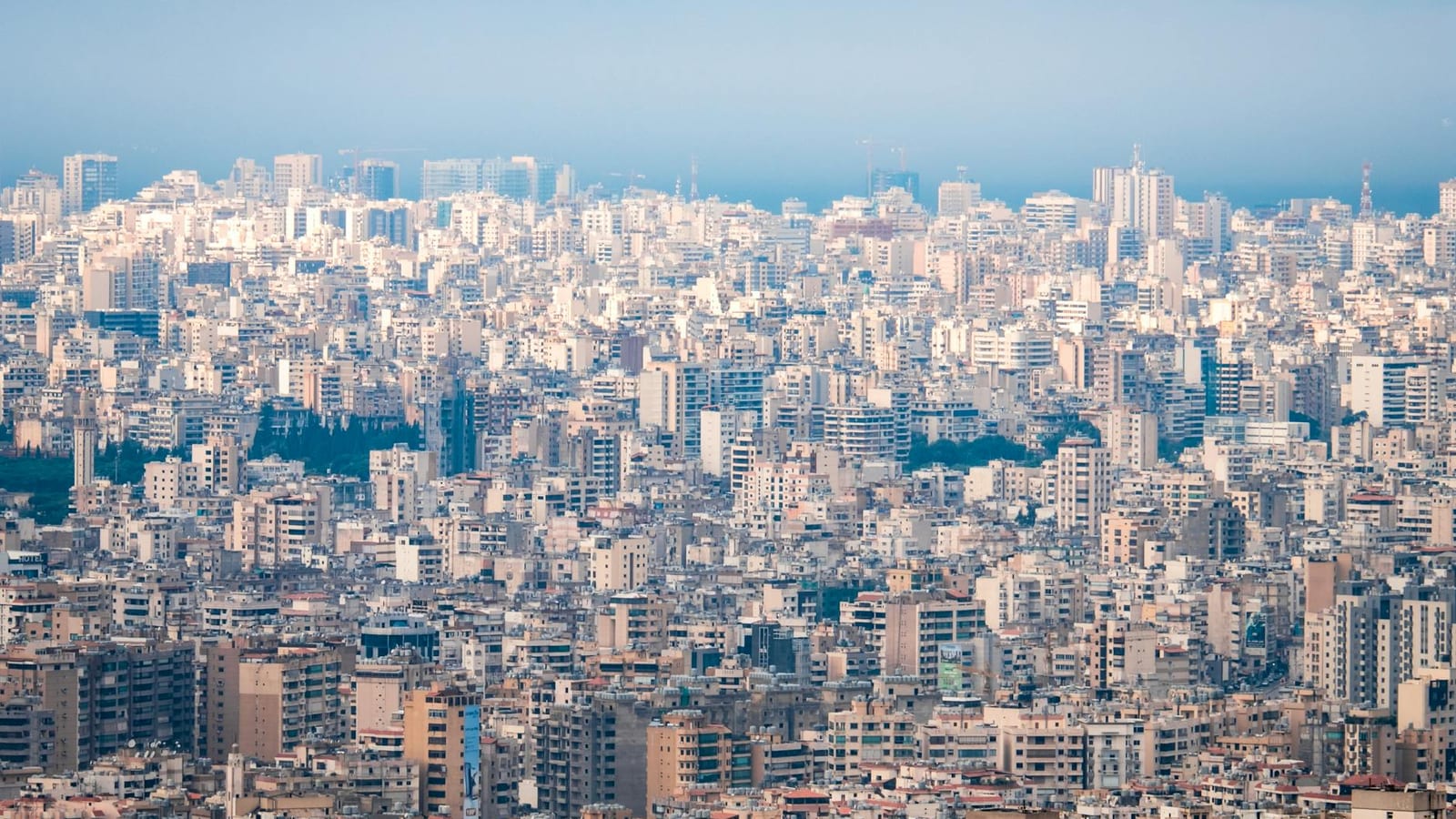
A strike near Beirut killed a woman and two children on Thursday. That one line tells you why this war refuses to stay inside military maps.
For families in Lebanon, the front line now runs through homes, heritage towns, and roads people use to escape. For India, the worry sits farther away, but not by much. West Asia is where our workers live, our oil moves, and our diplomacy gets tested.
The latest flare-up has three moving parts. Israeli strikes are widening in Lebanon. Washington and Tehran are talking again. The Strait of Hormuz, one of the world’s most important oil routes, is back in the danger zone.
Israeli strikes widen in Lebanon
Lebanese authorities said Israel bombed several areas in southern Lebanon on Thursday. They put the death toll at at least 17.
The Lebanese health ministry said a strike on Choueifat, near Beirut’s southern suburbs, killed three people. They included a woman, her young daughter, and a Syrian child. It said 15 others were wounded, including children and women.
The Israeli military said it carried out a targeted strike in the capital area. It did not give more details at first.
That phrase, “targeted strike”, sounds neat from a briefing room. On the ground, it often means sirens, smoke, broken glass, and parents trying to find children in panic.
Israel has expanded what it calls its combat zone against Hezbollah, the Iran-backed Lebanese group. Hezbollah has long operated in southern Lebanon, close to Israel’s northern border.
This is not a small border incident anymore. It is part of a wider Middle East conflict now in its fourth month. Each new strike raises the chance that a contained war becomes a regional one.
Heritage towns under fire
The city of Tyre has become another flashpoint. It is one of the world’s oldest coastal cities and carries deep historical value.
Lebanese civil defence officials reported strikes in Tyre and nearby areas after evacuation orders. The Israeli army had warned that it would target a building in the city.
Lebanon’s culture minister Ghassan Salame said he had contacted foreign counterparts and international bodies. He warned of heavy damage to archaeological sites and old neighbourhoods in the south.
He referred to Tyre and Beaufort Castle, a Crusader-era fortress in the Nabatieh district. Both sites have received special protection from UNESCO, the UN cultural agency.
Prime Minister Nawaf Salam also criticised the strikes. He said nothing justified attacks on Tyre and Nabatieh or damage to their monuments.
This matters beyond Lebanon. Heritage is not decoration in a war zone. It is memory, tourism, identity, and income, all rolled into one.
For a shopkeeper in an old market town, a damaged heritage district means fewer visitors. For a family running a small guesthouse, it means lost bookings. For a country already battered by economic collapse, it means one more door closing.
India knows this emotion well. When old cities suffer, people do not only count stones. They count the loss of belonging.
Washington talks, Tehran waits
While bombs fell in Lebanon, the diplomatic track with Iran showed signs of life.
US Vice President J. D. Vance said Washington and Tehran had made “a lot of progress” towards an agreement. He also said President Donald Trump had not approved it yet.
That caution matters. In West Asia, draft agreements can look strong in the morning and collapse by evening.
US Treasury Secretary Scott Bessent said there may be the outline of a deal. He said Trump had clear red lines. Iran must hand over its enriched uranium stockpile, avoid a nuclear weapon, and allow free movement through the Strait of Hormuz.
That last point is where Indians should pay attention.
The Strait of Hormuz is a narrow sea route between Iran and Oman. A large share of the world’s oil passes through it. If traffic slows there, fuel prices can rise in countries far away, including India.
For an Indian household, this does not remain an abstract foreign-policy issue. Costlier crude can push up petrol, diesel, transport, food, and air travel.
The US has also warned Oman against cooperating with Tehran on any system to control or charge ships in the strait. Bessent said he had spoken to Oman’s ambassador and was assured no toll plan was being considered.
Trump had earlier used unusually harsh language about Oman during a cabinet meeting. His government later announced sanctions on a new Iranian agency linked to navigation rights in the strait.
The message from Washington is clear. The US wants no rival authority over Hormuz. Tehran, meanwhile, knows the strait gives it pressure power even when sanctions squeeze its economy.
India watches the oil route
For India, West Asia is never just foreign news. It is domestic policy wearing an international coat.
Millions of Indians work across the Gulf. Their remittances support families from Kerala to Uttar Pradesh. Any regional war immediately raises anxiety among those households.
India also depends heavily on imported energy. Even when New Delhi buys oil from different suppliers, global prices still shape the bill.
A crisis near Hormuz can make crude traders nervous before a single ship gets blocked. Markets move on fear, not only on facts.
There is another Indian concern. New Delhi has built relations with Israel, Iran, the Gulf monarchies, and the United States at the same time. That balancing act has worked because India avoided taking loud ideological positions.
But wars test balance. If Israel keeps striking deeper into Lebanon, Iran faces pressure to respond through allies. If the US hardens sanctions, Tehran may push harder at sea. If Hormuz gets tense, India feels the pain at home.
The UN peacekeeping force in Lebanon, UNIFIL, has warned of rising tensions. That warning should not be treated as routine language. Peacekeepers usually choose careful words. When they speak of escalation, it means the ground is shifting.
The UN has also moved to add Israeli and Russian security forces to a conflict-related sexual violence blacklist, based on allegations linked to prisoners. Israel has objected strongly and suspended ties with the UN secretary general.
This adds another layer of diplomatic anger to an already crowded crisis.
Ordinary people rarely get a vote in such conflicts. A child in Choueifat, a trader in Tyre, a sailor near Hormuz, and a commuter in Mumbai all sit inside the same chain of consequences. The coming days will show whether leaders choose a pause, or whether West Asia drags everyone into another season of fear and higher bills.