To Lam Says Asia-Pacific Security Strains Hit Trade
Vietnam's To Lam told the Shangri-La Dialogue that security, development and global order crises in Asia-Pacific could disrupt trade and prices.
A warning from Singapore should matter to a family in Surat, a factory in Noida, and a port worker in Chennai.
That was the point To Lam seemed to make on Friday, May 29, when he told Asia’s defence establishment that three deep cracks now run through the region. His message was simple. The Asia-Pacific has become rich, busy, and dangerous at the same time.
For India, this is not distant diplomatic theatre. The same seas carry our oil, electronics, fertilisers, and export cargo. When trust breaks in Asia, prices at home do not wait for foreign-policy seminars.
To Lam’s three-crisis warning
At the Shangri-La Dialogue in Singapore, Lam spoke before defence ministers, military chiefs, diplomats, and security analysts. He used his keynote address to frame the region’s troubles as three linked crises.
The first is a crisis of international order. In plain English, smaller countries fear a world where raw power decides outcomes.
The second is a crisis of development models. Globalisation once helped countries like Vietnam turn factories, ports, and disciplined labour into national growth.
That model now looks shakier. Supply chains are splitting. Climate costs are rising. Technology is changing jobs faster than many states can manage.
The third is a crisis of strategic trust. Lam called it silent, but dangerous. Countries increasingly read each other’s moves through suspicion.
That matters because mistrust makes even routine military activity look threatening. A ship patrol, a defence deal, or a new radar can quickly become a signal.
Lam argued that these three crises meet most clearly in the Asia-Pacific. The region drives global growth, yet also carries some of the world’s sharpest security risks.
Why India should pay attention
India knows this pattern well. We want trade with everyone, but we also live in a hard neighbourhood.
Our factories need stable supply chains. Our navy needs open sea lanes. Our diplomats need room to work with Washington, Moscow, Tokyo, Hanoi, and Singapore without being trapped in camps.
That is why Vietnam’s language matters. Hanoi has long avoided shouting from rooftops. It speaks carefully, even when the message is blunt.
Lam’s speech fits that style. He did not name one villain. He described a system where fear and competition feed each other.
Indian readers should see the subtext clearly. Asia’s smaller and middle powers do not want a new Cold War script.
They want security from China’s pressure, access to Western markets, and freedom to make their own choices. That is also India’s preferred lane.
New Delhi calls it strategic autonomy. Others may use softer words. The instinct is the same.
Do business widely. Avoid dependence. Build defence strength. Keep diplomatic options open.
Sea lanes carry the real story
The most practical part of Lam’s warning sits at sea.
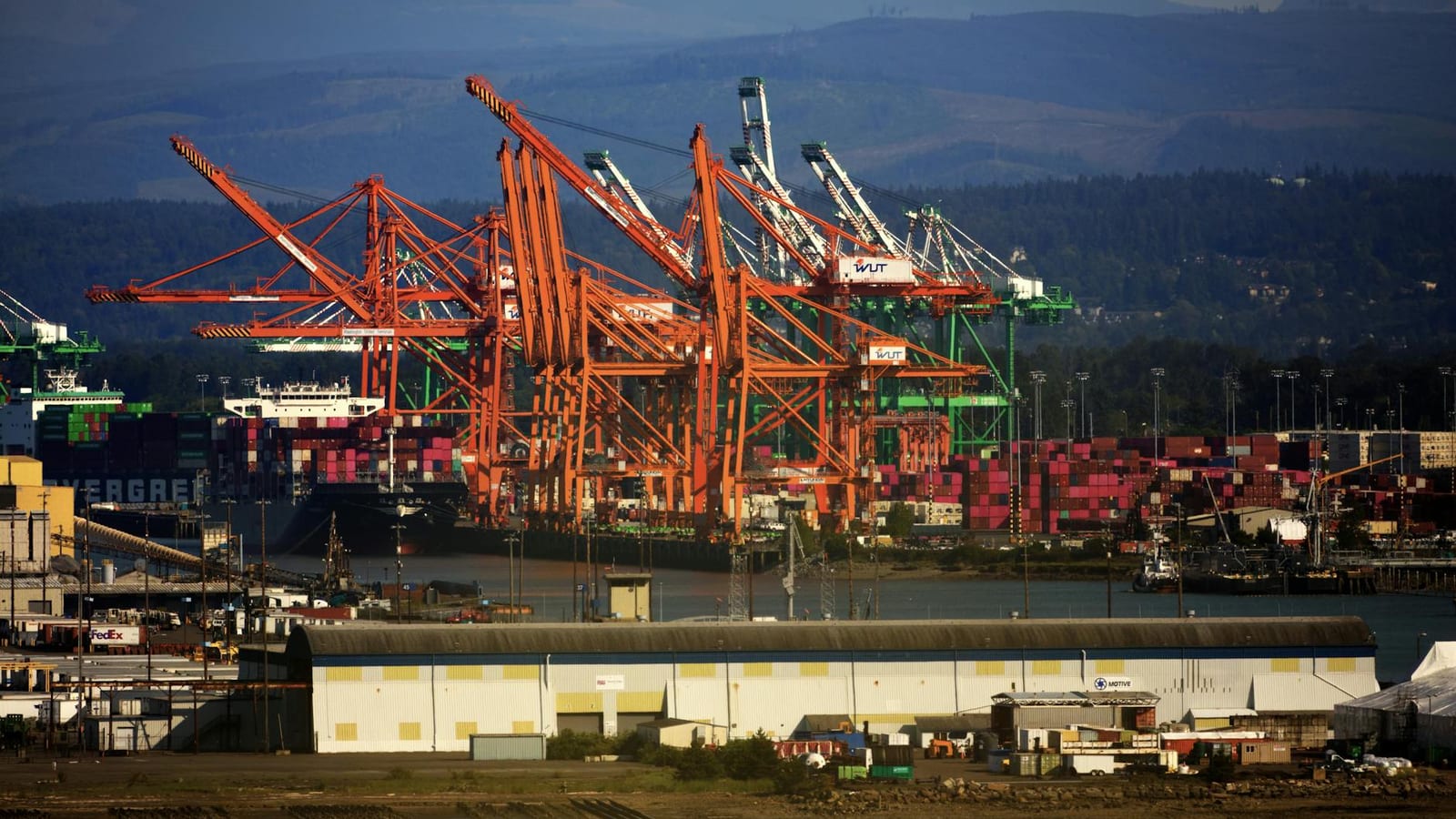
The Asia-Pacific is home to critical maritime routes. These routes move energy, food, chips, chemicals, and consumer goods across borders.
For an Indian household, that sounds abstract until shipping gets delayed. Then phone prices rise, fuel worries return, and factory schedules slip.
For a small exporter in Coimbatore or Rajkot, a tense sea lane is not theory. It can mean delayed payments, costlier insurance, and nervous buyers.
Vietnam understands this deeply. Its economy depends heavily on manufacturing and exports. It has gained from companies shifting some production away from China.
India wants a piece of that same shift. The government has pushed electronics, semiconductors, defence manufacturing, and logistics upgrades.
But supply chain diversification works only when the region stays reasonably calm. Investors do not like ports that sit near possible flashpoints.
Lam pointed to fragmentation in supply chains as one pressure point. That is a polite way of saying companies now plan for politics, not just profit.
Earlier, businesses asked where labour was cheapest and ports were fastest. Now they also ask whether sanctions, conflict, or naval tension could disrupt trade.
India can benefit from this reset. But only if it proves reliable, efficient, and politically steady.
That means better ports, faster customs, stronger power supply, and predictable rules. Geopolitics opens the door. Execution decides who walks through it.
Trust is now the scarce commodity
Lam’s phrase about strategic trust deserves attention because it captures Asia’s central problem.
Countries are not only arguing about territory or tariffs. They are losing faith in each other’s intentions.
That is dangerous in a region packed with military ships, aircraft, surveillance systems, drones, and cyber tools. Technology makes reaction time shorter.
A misunderstanding that once took days to unfold can now travel in minutes. A drone sighting or cyber incident can trigger panic before leaders speak.
Lam also linked mistrust to emerging technologies. This is where security and business now overlap.
Artificial intelligence, chips, satellites, undersea cables, and cyber systems are no longer just commercial assets. States treat them as instruments of power.
India has already felt this shift. The debate over telecom gear, app bans, chip policy, and data protection all came from the same question.
Who controls the pipes of the modern economy?
Vietnam’s warning therefore speaks to India’s tech ambitions too. A country cannot become a serious technology power while ignoring security risks.
But fear alone cannot build prosperity. If every country walls itself off, Asia’s growth story weakens.
That is the balance Lam seemed to underline. The region needs safeguards, but it also needs openness.
Middle powers seek breathing space
Vietnam’s position carries weight because it is not a passive observer.
It has a complicated relationship with China. It also works closely with the United States, Japan, India, Australia, and Southeast Asian neighbours.
That mix gives Hanoi a useful vantage point. It sees both the opportunity and the danger in today’s global shift.
For India, Vietnam is more than a friendly country in Southeast Asia. It is a partner in defence, trade, and regional balancing.
Both countries worry about coercion. Both value maritime access. Both want economic growth without surrendering foreign-policy independence.
This is why Lam’s remarks should not be read as a routine summit speech. They reflect a wider mood across Asia.
Countries want rules, not lectures. They want investment, not pressure. They want security, but not permanent crisis.
That message will matter as defence ministers and military chiefs meet in Singapore. Such forums rarely solve conflicts overnight.
But they reveal what countries are willing to say in public. Sometimes, that tells us enough.
Lam’s warning lands at a time when India is trying to turn global uncertainty into national opportunity. That will require more than slogans about supply chains and self-reliance. It will need calm diplomacy, stronger institutions, and the ability to trade with the world while preparing for shocks. For ordinary Indians, the lesson is direct. Asia’s power games may look far away, but their bill often arrives quietly, inside fuel prices, job markets, loan worries, and the cost of the next phone.